


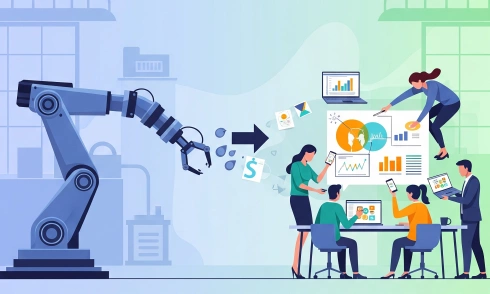
Manual data entry is not only an operational burden but also a "blind spot" that poses a serious risk of data errors, directly impacting the accuracy of financial reports. The transition to Automated accounting data entry This is a key factor in helping CFOs obtain clean data, close the books quickly, and optimize operating costs.
This article by Bizzi will provide a detailed review of the Top 15. automatic data entry software Top 2026 analysis: In-depth analysis of characteristics, pricing, compliance with Decree 123, and long-term strategic value – helping businesses choose the right technology "backbone" for their digital transformation roadmap.
Why is data entry automation a top priority in financial management?
With the volume of invoices increasing exponentially, CFOs no longer view data entry as merely an administrative task, but rather as a data management issue.
Automated accounting data entry is the process of applying AI OCR and RPA To automatically extract, verify, and record documents into the ERP system, this solution can eliminate up to 99% manual entry errors, shorten closing time by 80%, and provide real-time data for performance management systems.
The crucial shift is no longer about "Data Entry," but about "Data Control." CFOs need clean data to operate effectively. EPM or a BI tool like Power BI. If the input is wrong, the entire strategy dashboard will be wrong.
A simple formula to measure efficiency: Data Efficiency = (Manual Time – Auto Time) / Manual Time × 100
In addition to personnel costs, CFOs need to factor in the Cost of Retrieval – the cost of retrieving and verifying data. data automation software A good system will help retrieve information in seconds instead of searching through emails or disjointed Excel files.
Bizzi Bot clearly illustrates how Reduce data entry workload.:
- Step 1: Automatically collect invoices from Email/Portal.
- Step 2: Verify the legality according to Decree 123 and the supplier's tax identification number (MST).
- Step 3: Automatically record transactions in the accounting software or ERP system.
Instead of data entry, accountants are shifting their role to control and analysis.
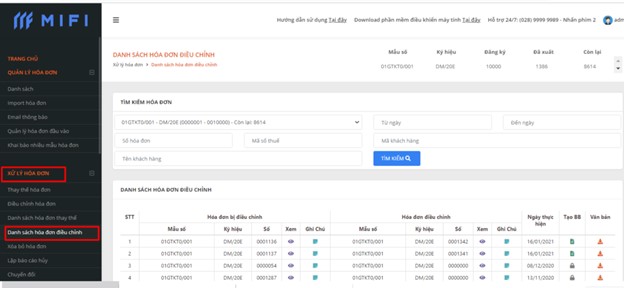
Review of the 15 best data entry and data processing automation software in 2026
The list below includes in-depth solutions for Vietnamese invoicing, international RPA platforms, and data integration tools. Below is a general summary comparing automated data entry software based on several basic criteria before delving into a detailed analysis of each software.
| STT | Software | Core features | Reference price | Applicable objects | Information Gain 1 (Risks & Compliance) | Information Gain 2 (Strategic Value) |
| first | Bizzi Bot | AI OCR extracts invoices and automatically checks their legal validity for tax purposes. | 250đ – 1,000đ per invoice (Pay-as-you-go) | Retail, F&B, and logistics businesses generate a large volume of documentation. | Compliance Check: Automatically check the operational status of suppliers with the General Department of Taxation, blocking fake invoices/businesses that have absconded. | 3-Way Matching: Automated reconciliation of invoices, purchase orders, and warehouse receipts immediately detects discrepancies in price and quantity. |
| 2 | UiPath | Robotics programs (RPAs) simulate hand movements across all applications. | From $25/user/month (Excluding project implementation fee of $10,000+) | Multinational corporations and businesses often have extremely complex business processes. | Operational Scalability: The ability to run thousands of bots simultaneously without disrupting the existing ERP infrastructure. | Non-invasive Tech: Automate on legacy systems without API access without modifying the source code. |
| 3 | Lac Viet AI | AI financial assistant integrates with ERP, querying reports using natural language. | Starter package from 6,000,000 VND / year. | Domestic businesses need ERP systems that integrate artificial intelligence. | Legal Mastery: 100% automatically updates the latest tax reporting forms and Vietnamese Accounting Standards (VAS). | AI Query Agent: The CFO can ask, "What caused the increase in expenses this month?" and receive an immediate analytical report. |
| 4 | Sactona | Automating consolidated financial reporting and enterprise performance management (EPM). | Based on the scale of the entity (Contact us for a project quote). | Multi-entity conglomerates, with parent and subsidiary companies, require the consolidation of complex financial reporting. | Data Governance: Absolute data version control eliminates the risk of errors caused by copy-pasting from hundreds of Excel files. | Excel-Native UI: Keeping the Excel interface intact allows accountants to implement the system immediately without needing to retrain from scratch. |
| 5 | MISA meInvoice | The MISA AMIS ecosystem integrates electronic invoicing and accounting automation. | From 300 VND to 1,500 VND per invoice. | SMEs are using MISA's accounting software or ERP system. | Blockchain Security: Blockchain technology is being used to verify the integrity and prevent forgery of electronic invoices. | Ecosystem Sync: Synchronize invoices to the ledger with just one click, completely eliminating manual data entry. |
| 6 | ATM Account | Automating centralized accounting for multi-branch businesses. | From 5,900,000 VND to 11,900,000 VND per package. | Construction, manufacturing, and trading companies have multiple business locations. | Big Data Handling: Optimize processing speed for millions of transaction records without causing system disruption. | Custom Pricing Logic: Automatically calculate exchange rate differences and complex production costs tailored to industry specifics. |
| 7 | Safebooks | Cloud accounting software optimizes the data entry process with automation. | From 1,450,000 VND/year. | Newly established businesses and SMEs need a lean and flexible system. | Real-time VAT Tracking: Automatically generate tax returns and track tax obligations instantly as soon as invoices are extracted. | 90% Entry Automation: Automate most accounting entries based on historical document data. |
| 8 | Power Automate | Workflow automation tools within the Microsoft 365 ecosystem. | From $15 / user / month (Premium Package). | The company has already implemented Microsoft 365 and needs to automate office processes. | AI Builder Integration: The AI has the ability to self-train to extract data from unstructured forms (custom forms). | Low TCO: Optimize licensing costs by leveraging Microsoft's existing ecosystem for data processing. |
| 9 | Zapier | A no-code data bridge connecting over 5,000 cloud applications. | The paid version starts at $19.99 / month. | Startups and SMEs use a variety of different SaaS applications. | Security Risk Alert: Data security risks when documents pass through a third-party intermediary server (Note Decree 13). | 5-Minute Deployment: Deploy an automation workflow from CRM to accounting software in just minutes. |
| 10 | Make (Integromat) | Automating complex branching data logic for Tech-SMEs. | Paid version from $9 / month. | Technical teams or businesses need a robust data processing logic. | Visual Error Monitoring: Visually monitor bottlenecks and data errors directly on the online workflow diagram. | Advanced Logic Branching: Allows setting an unlimited number of branching conditions (If/Else) within a data stream. |
| 11 | Automation Anywhere | RPA Cloud-native supports high-security end-to-end automation. | According to License (Contact for pricing). | The banking, insurance, and healthcare sectors are sensitive to data security. | Banking-Grade Security: Multi-layered, military-grade security ensures that financial data is not leaked. | IQ Bot (AI OCR): Ability to learn from and extract data from blurry, smudged, or misaligned PDF documents. |
| 12 | Lark Base | An all-in-one platform for integrating data and workflows. | Pro from $12 / user / month. | Modern SMEs want to integrate chat, work, and data into a single app. | Single Source of Truth: Completely eliminate the sharing of fragmented Excel files; all departments will see a single dashboard. | Mobile Approval: Approve payments and reconcile data entry directly on your mobile device anytime, anywhere. |
| 13 | Matbao-invoice | A secure invoice management solution compliant with the international ISO 27001 standard. | From 99,000 VND / 100 input invoices. | Small and medium-sized enterprises (SMEs) need a stable invoicing solution built on Microsoft infrastructure. | ISO 27001 Compliance: The storage system meets international standards, ensuring absolute security for invoice storage for 10 years. | Bulk Processing Speed: Process thousands of invoices in just minutes, ready for surprise tax audits. |
| 14 | Tableau | Visualizing Big Data for corporations. | From $70 / user / month (Creator). | Large corporations need to analyze cost trends and financial risks. | Deep Drill-down: The ability to trace back from the overall chart down to the details of each original transaction allows for error control. | Predictive Analytics: Providing forecast charts helps CFOs visualize future cash flow and cost risks. |
| 15 | Power BI | Dashboard for managing real-time financial data. | From $10 / user / month (Pro Package). | Small and medium-sized enterprises (SMEs) are using Microsoft 365. | Real-time Sync: Automatically update data from Bizzi Bot to the admin dashboard periodically, every minute. | Board-Ready Reports: Automatically generate professional management reports for presentation at board meetings. |
1. Bizzi Bot: Specialized AI OCR & RPA solution for Vietnamese invoices
Bizzi Bot not just automatic data entry software It is simply a platform. Automate the entire document input process. Designed for businesses with a high frequency of invoices. Bizzi's biggest differentiator is its ability to "think like a human" when processing invoices: it can read and understand various formats (PDF/XML), instantly verify the legal validity of invoices based on data from the General Department of Taxation, and automatically standardize data before uploading it to the ERP system.
Fully automated operation includes three layers of control:
- Extracting AI OCR: Recognizes over 99% data fields on electronic invoices — even when the layout changes.
- Compliance Check: Immediately after extraction, Bizzi Bot automatically checks the supplier's operational status on the tax system, preventing risky invoices from the outset.
- Logical comparison: Data is matched between the Invoice, Purchase Order (PO), and Goods Receipt (GRN). Discrepancies in unit price, quantity, or tax rate are flagged so that the accountant can handle the exception instead of entering all the data.
With its "pay-as-you-go" pricing policy, Bizzi is suitable for businesses processing from a few hundred to tens of thousands of invoices per month, especially in the retail, manufacturing, and logistics industries.
Strategic advantages:
- The 80% system directly reduces the data entry process compared to manual operation.
- A complete Audit Trail is provided to support auditing and tax purposes in accordance with Decree 123.
- Quick integration with ERP systems such as SAP, Oracle, and Dynamics.
Application range: Businesses with a large volume of invoices need to adhere strictly to tax regulations and report clean, real-time data.
2. UiPath: A leading RPA platform for large-scale financial processes.
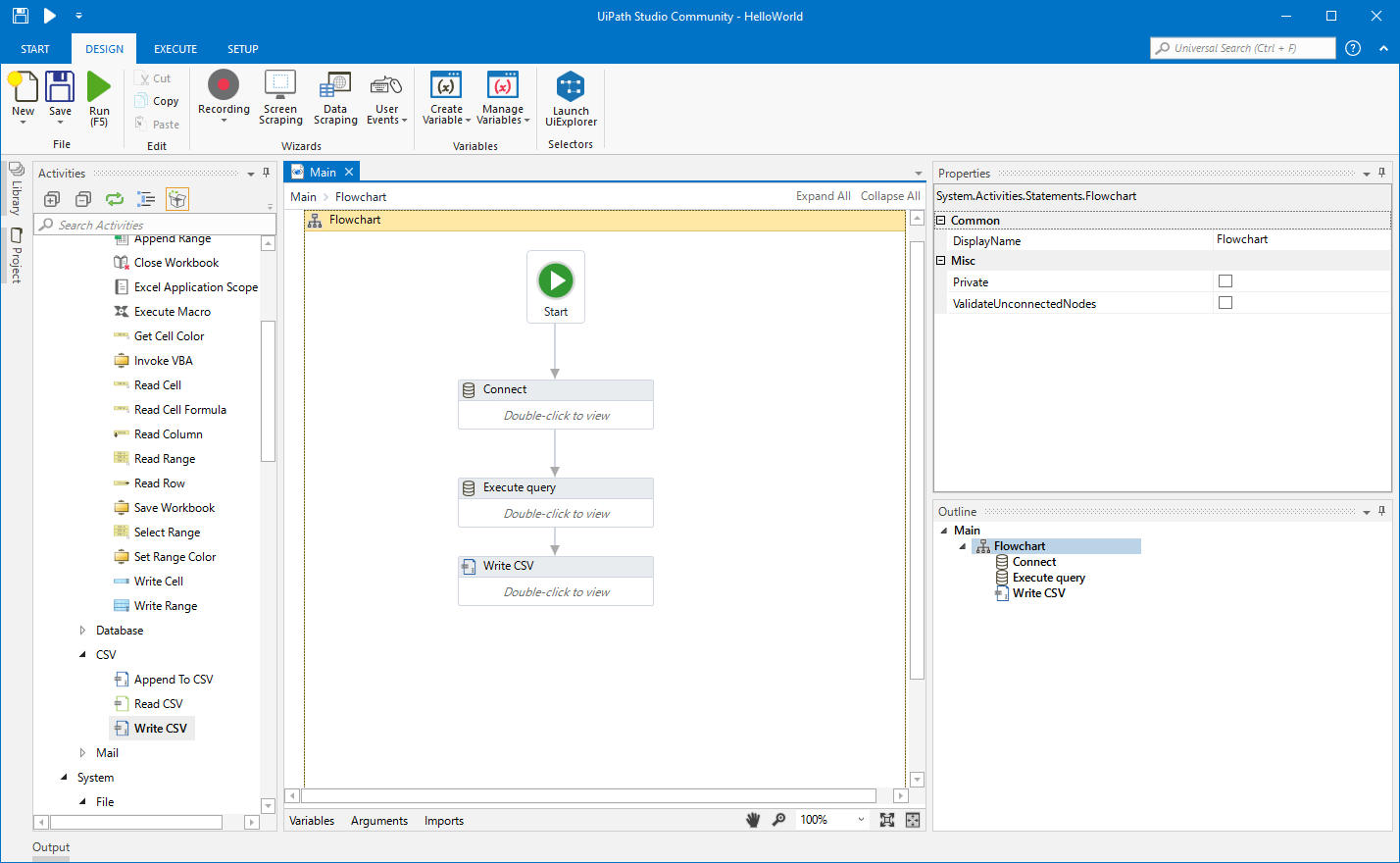
UiPath It is a pioneering RPA platform in automating financial business processes. This is not just... automatic data entry software Instead, it's a solution that automates the entire accounting data processing cycle.
UiPath's strength lies in its capabilities. non-invasive automation — Robots can perform human-like operations on legacy or ERP systems without needing to open APIs.
A typical scenario: PDF document from email -> robot automatically opens the file -> extracts data using AI Document Understanding -> imports into accounting software -> sends confirmation via Teams/Slack.
However, deployment costs are often high (license from $25/user/month + $10,000+ project costs) and a technical team is needed to operate the bots.
Detailed advantages:
- It is possible to automate processes with various applications (ERP, Excel, Email, CRM) within the same workflow.
- Integrate Document Understanding to extract data from unstructured documents.
Disadvantages: This requires a specialized implementation team and a longer process design time compared to solutions specifically designed for accounting.
Object: Multinational corporations and businesses need to automate the entire data entry and data regeneration process across systems.
3. Lac Viet Financial AI Agent: AI assistant for accounting and report analysis.
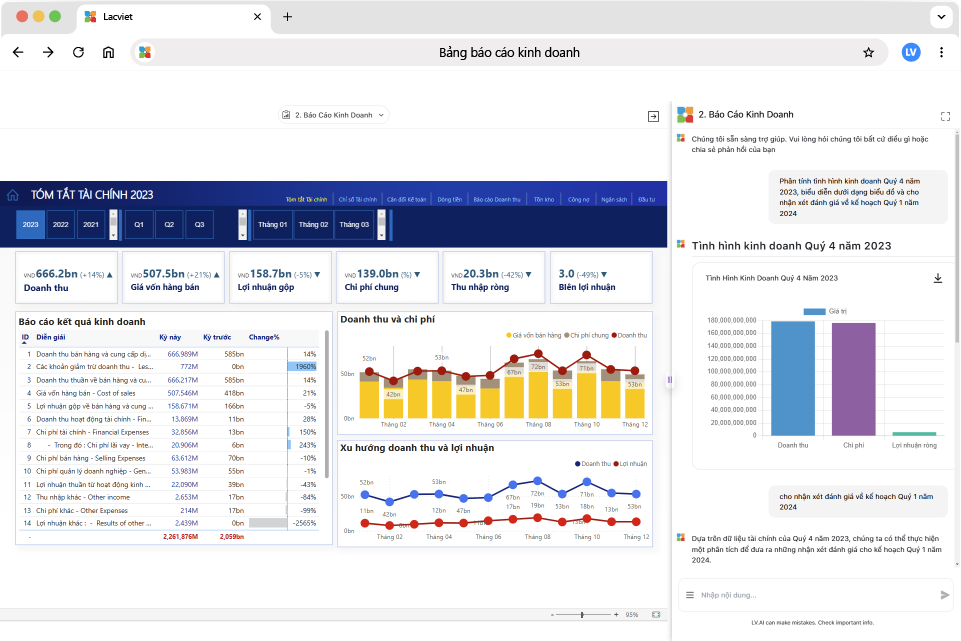
Unlike pure OCR software, Lac Viet AI Agent It is an AI assistant capable of not only extracting data but also Understand and analyze reports. in natural language.
How it works:
- Employees upload invoices/documents -> AI accurately extracts the data fields.
- The CFO can ask, "What caused the increase in shipping costs this month?" and the automated query processing system, aggregating accounting and cash flow data, will provide the answer.
- Automatically update tax declaration forms and the latest VAS accounting standards.
The difference between Lac Viet and others automatic data entry software Traditionally, this is combined with the AI Query Agent model — helping CFOs reduce the burden of "analyzing after receiving data," replacing it with "data generating insights automatically."
Advantage:
- Query data using natural Vietnamese.
- Automatically updates to the latest tax accounting standards.
Disadvantages: The software is suitable for an environment with an established ERP system and a team ready to work with AI.
Object: Domestic businesses need both automated data entry and automated data analysis.
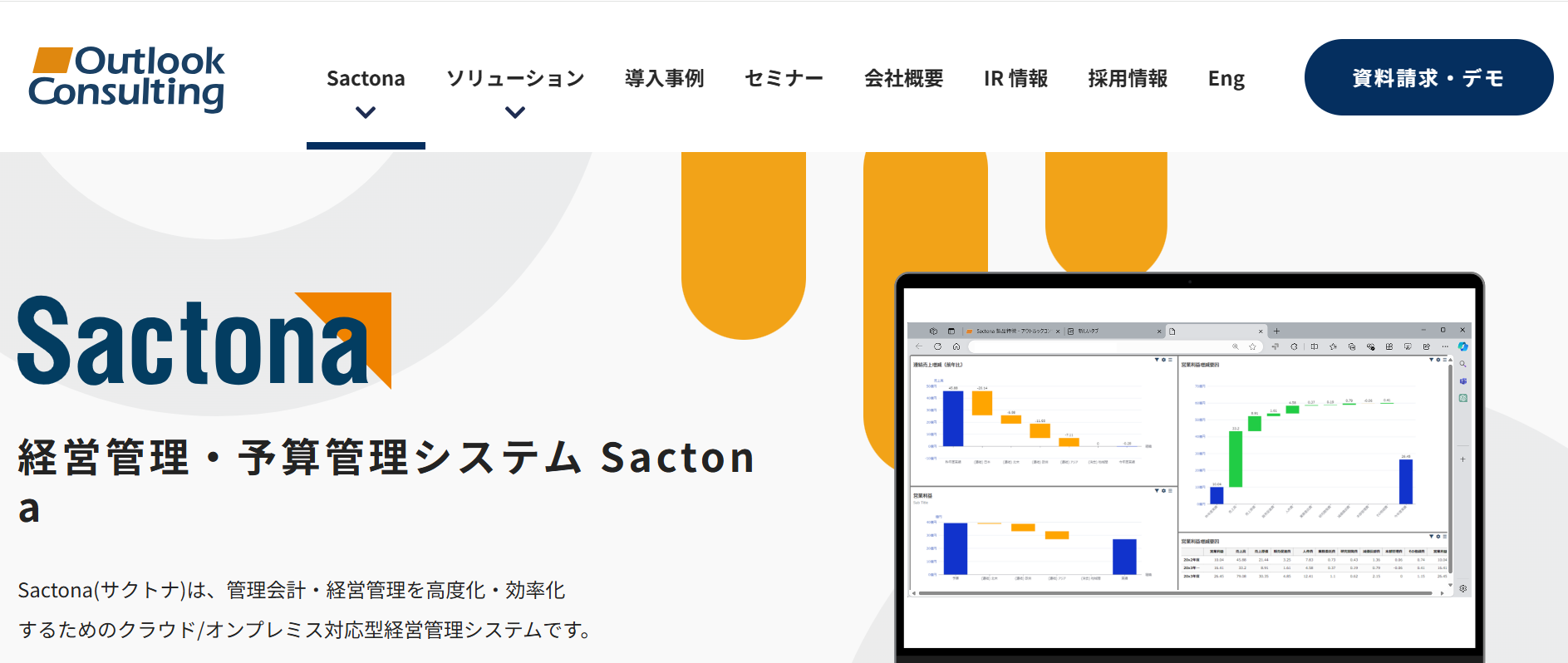
4. Sactona: Automated consolidated reporting and performance management (EPM)
Sactona not just automatic data entry software Instead, it's a high-level EPM (Enterprise Performance Management) platform that helps CFOs close books quickly, consolidate reports from multiple entities, and provide scenario analysis.
Sacton's operations focus on:
- Automatically consolidate data from multiple subsidiaries according to corporate accounting standards (VAS or IFRS).
- Version control of data eliminates the risk of copy-pasting from hundreds of Excel files.
- Supports drill-down to trace back to each original record during auditing or reconciliation.
One major difference is that Sactona retains the user-friendly Excel UI, making it easy for accountants to access without changing their work habits.
Advantage:
- Reduce the Period End Close time.
- Centralized data control is particularly useful for multi-entity businesses.
Object: The corporation has its own separate accounting department and needs to consolidate data with a high degree of accuracy.
5. MISA meInvoice: A deeply integrated electronic invoicing ecosystem.
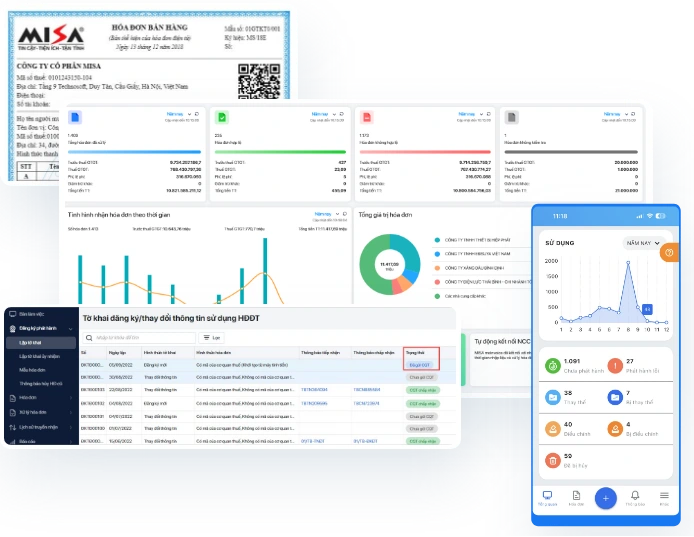
MISA meInvoice It is an electronic invoicing solution within the MISA AMIS accounting – ERP ecosystem for domestic businesses.
In addition to its invoice issuance feature, meInvoice offers the ability to automatically collect invoices from email and the tax authority's portal, and then automatically generate them. Synchronize to the accounting ledger with just one click.This completely eliminates the need for manual paper data entry into the accounting software.
The system also features the use of Blockchain to verify the integrity and prevent invoice forgery.
Advantage:
- Optimized for SMEs using the MISA ecosystem.
- The ability to automatically synchronize invoices to the ledger.
Disadvantages: The system does not automatically reconcile data between PO and GRN like a more in-depth solution.
6. Fast Accounting: An automated accounting solution for multi-branch operations.
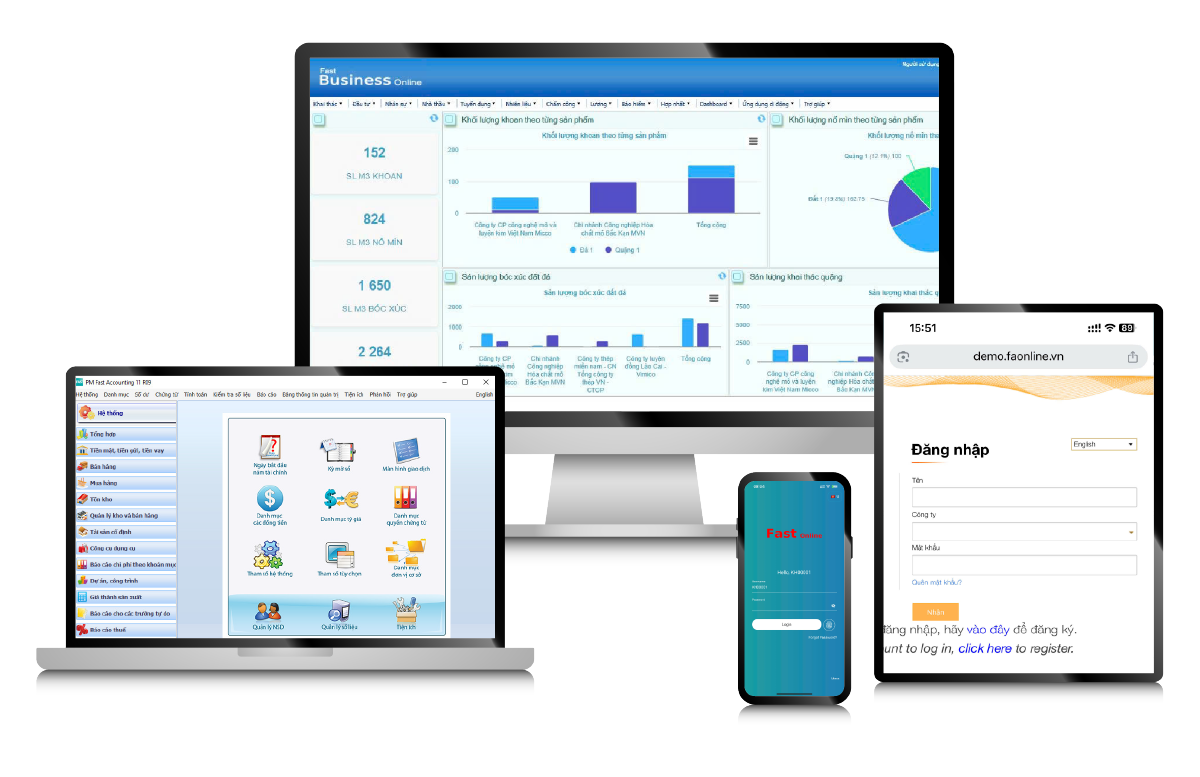
Fast Accounting Fast Accounting provides a suite of automation tools for processing accounting data in businesses with multiple branches and projects. In addition to easy data extraction, Fast Accounting automatically allocates costs based on various criteria, calculates exchange rate differences, and handles complex production cost calculations specific to each industry.
Its strengths lie in its ability to handle large datasets and its automated allocation logic.
Advantage:
- Optimized for multi-location manufacturing, trading, and service businesses.
- Big Data Handling enables the processing of millions of records without interruption.
Disadvantages: The user interface and experience may need to be customized to suit specific business needs.
7. Safebooks: Cloud accounting software that optimizes data entry processes.
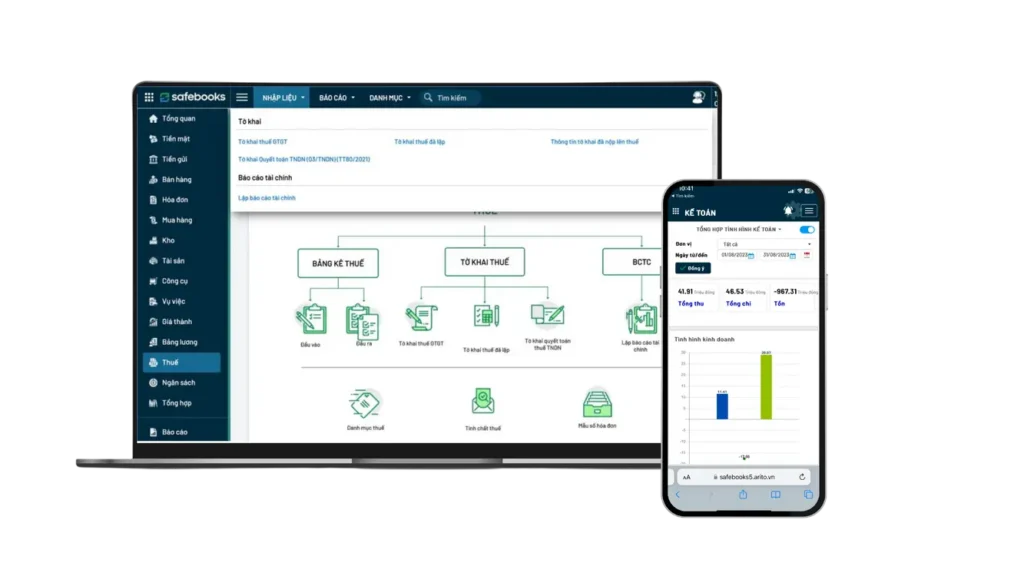
Safebooks It is cloud-based accounting software that focuses on automating data entry for purchase and sales documents and automatically assigning accounting entries based on historical data.
Key features include automatic synchronization with banks and automatic real-time tracking of VAT obligations as soon as invoices are extracted.
Advantage:
- Automate data entry for documents via 90%.
- Generate VAT declarations automatically.
Disadvantages: The complexity is lower compared to large enterprise solutions.
8. Microsoft Power Automate: An Office 365 business process automation tool.
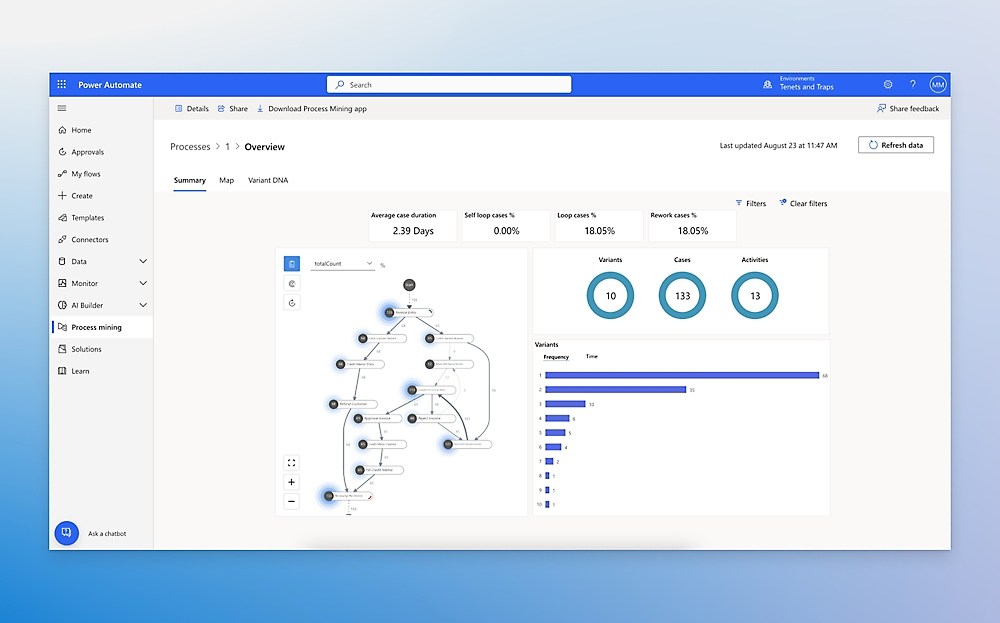
Power Automate It is a comprehensive business process automation tool within the Microsoft ecosystem.
This tool can receive emails with attachments -> extract data using AI Builder -> transfer data to SharePoint/ERP or an accounting database.
Its strengths include no-code/low-code functionality and deep integration with Outlook, Teams, and Excel.
Advantage:
- Take advantage of your existing Microsoft 365 license.
- Automate the email, file, and ERP data flow.
Disadvantages: Multiple modules need to be combined to achieve comprehensive accounting automation.
9. Zapier: A flexible data bridge for over 5000 applications.
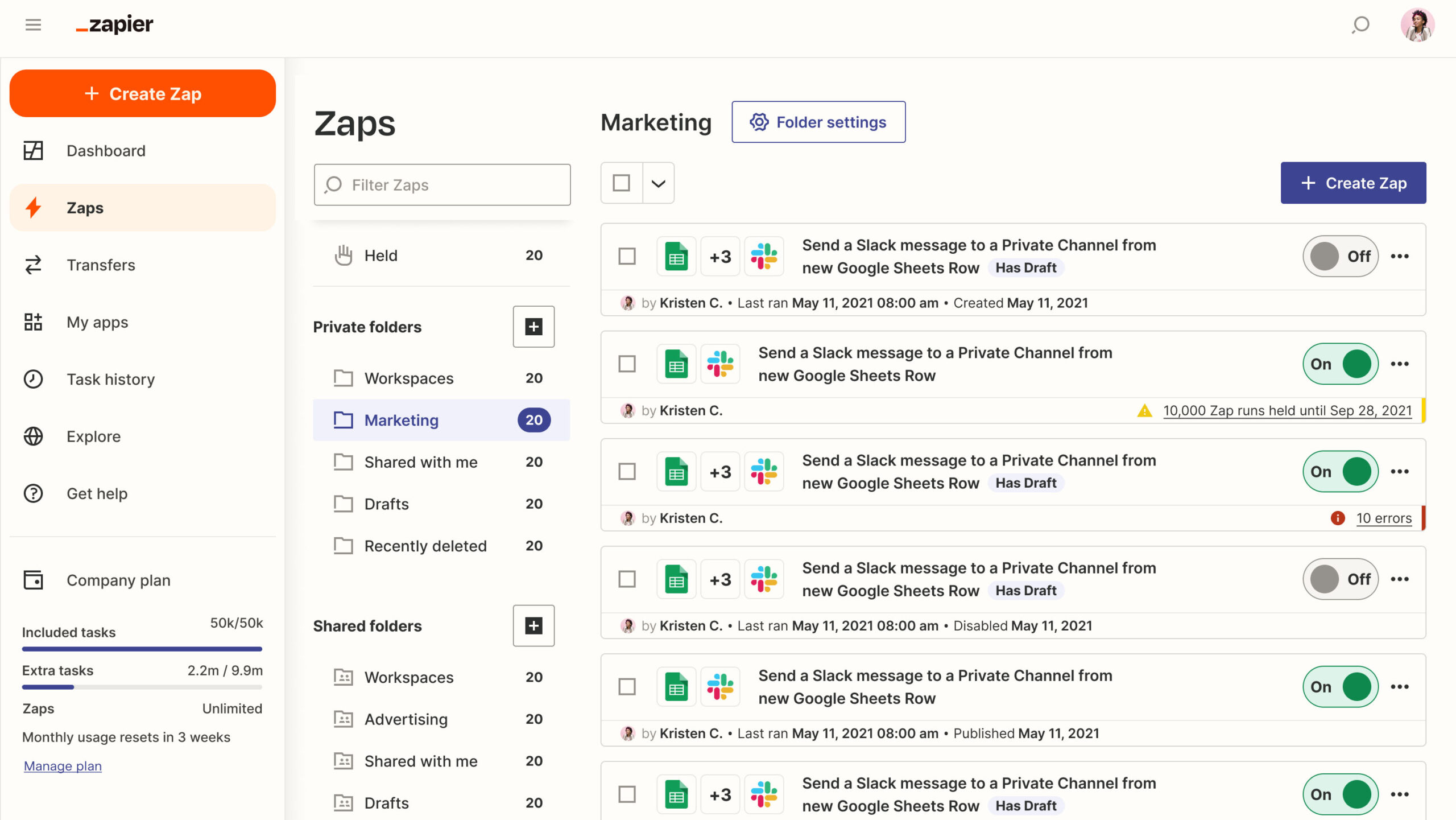
Zapier is not accounting software, but rather a tool that connects over 5,000 cloud applications. In a context where finance departments use disparate CRM, Google Sheets, sales software, and ERP systems – Zapier acts as an "automation intermediary."
For example: When the sales department creates an order in HubSpot → Zapier automatically pushes the data to Google Sheets → simultaneously sends an email notification to accounting → triggers the creation of a draft invoice in the accounting system.
The entire process takes place without writing any code.
Strategic value
- Reduce deployment time from weeks to minutes.
- Reduce reliance on IT for simple automated tasks.
Risks CFOs need to consider
- Financial data passes through an intermediary server (please note compliance with Decree 13/2023/ND-CP).
- It lacks the in-depth tax control mechanisms found in domestic solutions.
Fit: Startups and SMEs need fast deployment speeds and processes that aren't overly complex.
10. Make (Integromat): A solution for automating complex branching logic.
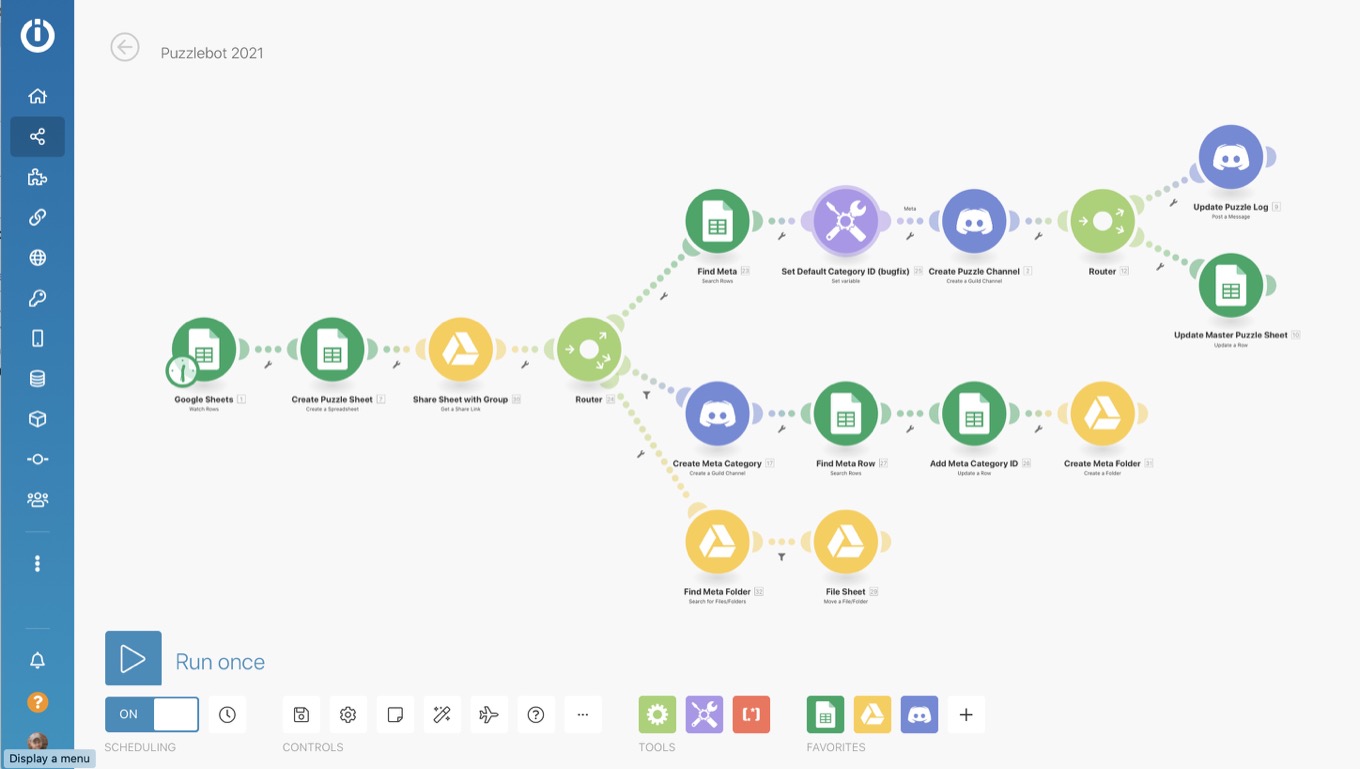
Make is a more advanced version of Zapier in terms of logic processing capabilities.
Key Differences
- Allows the creation of workflows with multi-level If/Else conditional branching.
- Advanced JSON/API processing – suitable for businesses with in-house technical teams.
Applications in accounting. For example:
If the invoice exceeds 50 million VND, it will be forwarded to the management approval process.
If the supplier is on the blacklist, a compliance alert will be sent.
If eligible → automatically recorded in the ERP system.
Strategic value
- Process control offers greater flexibility compared to traditional RPA.
- Visualize data bottlenecks on a workflow diagram.
Limit: Requires knowledge of systems logic; not in-depth expertise in Vietnamese tax procedures.
11. Automation Anywhere: RPA, a secure cloud platform with banking-grade standards.
Automation Anywhere is a high-end RPA platform, commonly used in banking, insurance, and healthcare.
Outstanding ability
- IQ Bot (AI OCR) can read blurry or misaligned PDF documents.
- The robot operates 24/7 to process the backlog at the end of the month.
- Multi-layered security meets high standards (banking-grade security).
Practical application
- Automatically import bank statements.
- Reconciling accounts payable in bulk.
- Automatically generate periodic financial reports.
Key points for CFOs to note
High deployment and licensing costs; requires an IT team to operate.
Suitable for corporations or financial institutions with extremely high security requirements.
12. Lark Base: An all-in-one platform for integrating data and workflows.
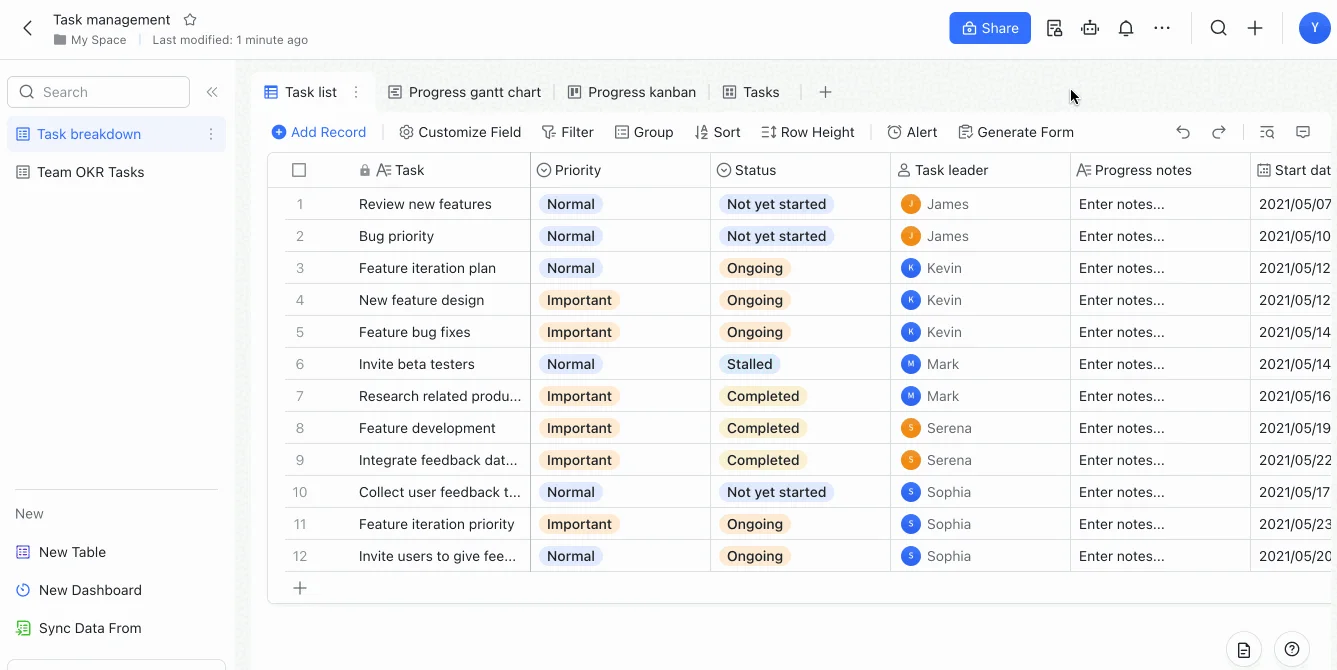
Lark Base is not purely an accounting tool, but rather a no-code data management tool within the Lark ecosystem.
How it works
- Import document data into Base.
- Set up an automated approval process.
- Real-time dashboard for all departments.
Outstanding value
- "Single Source of Truth" – eliminating fragmented Excel.
- Approve payments via mobile.
Limit: It lacks advanced AI OCR; integration with additional data extraction tools is often necessary.
13. Matbao-invoice: Secure electronic invoicing software meeting international standards.
Matbao-invoice places a strong emphasis on stability and security.
Key competencies
- Storage complies with ISO 27001 standards.
- ERP integration API.
- Process 1,000 invoices in approximately 15 minutes.
Strengths of a CFO
- Suitable for surprise tax audits.
- Ensure compliance with the standards of the General Department of Taxation.
Limit: There is no advanced 3-Way Matching mechanism like the in-depth solution.
14. Tableau: Visualizing Big Data for Large Businesses
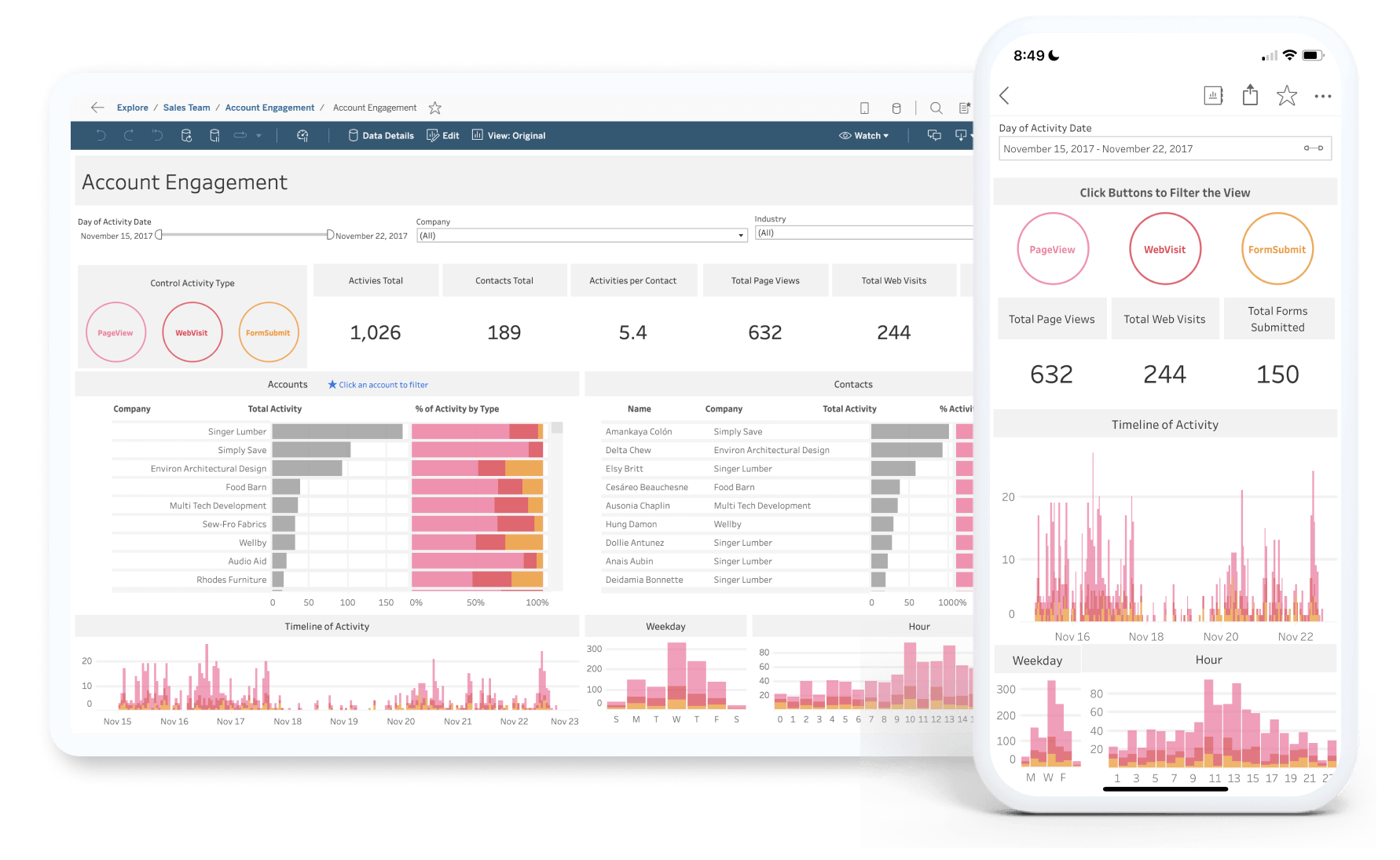
Tableau is not a data entry tool, but rather a post-data entry analysis layer.
Strategic role
After the data has been cleaned and normalized, Tableau helps:
- Drill down from the summary dashboard to each individual journal entry.
- Analyze cost trends over time.
- Forecast cash flow risk.
Value to the CFO
- Make decisions based on real-time data.
- Enhance your persuasiveness when presenting to the Board of Directors.
15. Microsoft Power BI: A financial management dashboard for the modern CFO.
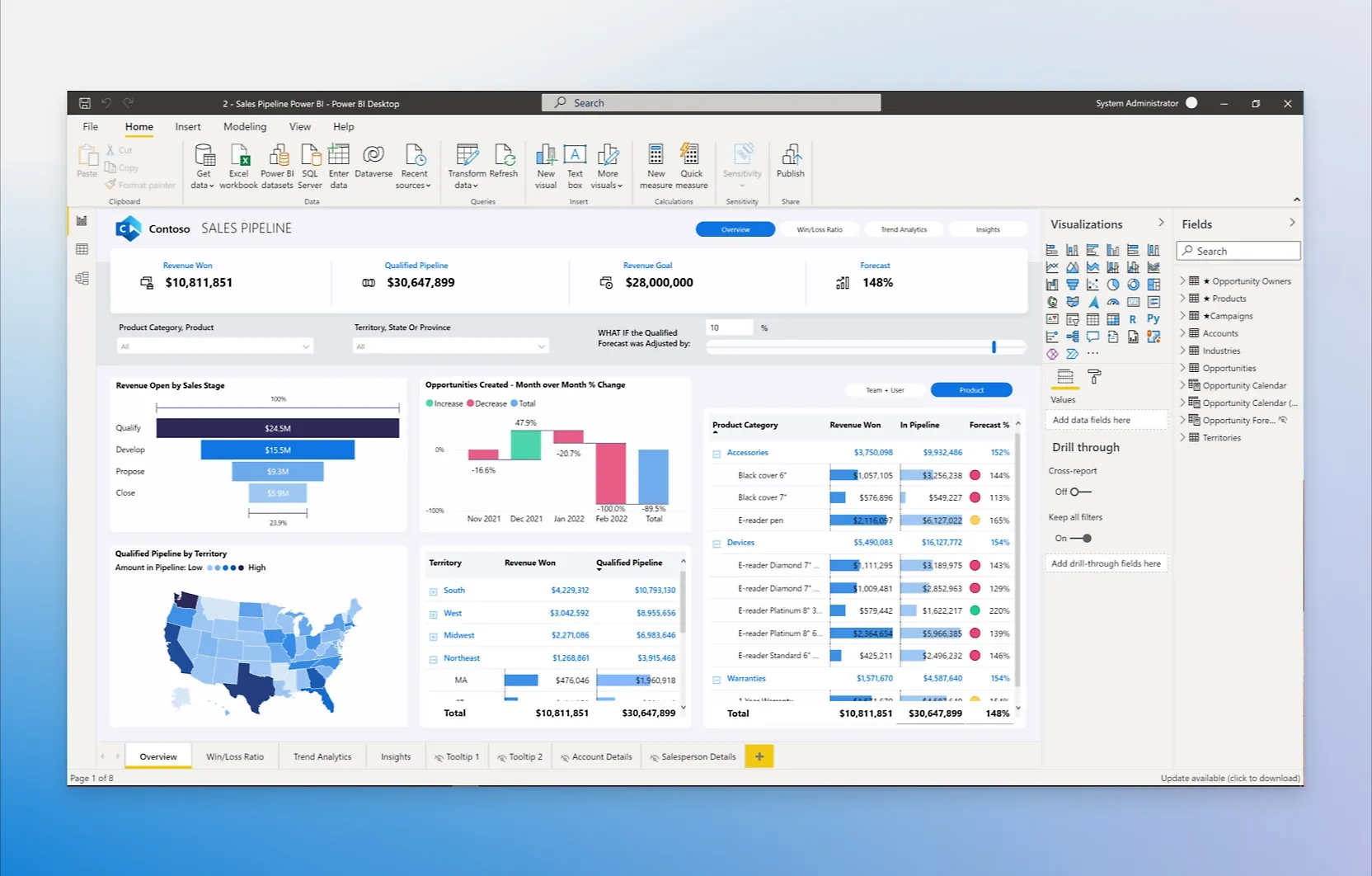
Power BI is more popular than Tableau within the Microsoft 365 ecosystem.
How it actually works
- Directly connect data from ERP or OCR systems.
- The dashboard will automatically update every 15 minutes.
- Share security reports via web/mobile.
The difference: Lower cost than Tableau; easier to deploy for SMEs.
Strategic notes: Power BI is only effective when the input data has been automated and cleaned.
How to calculate the return on investment (ROI) when investing in automation software.
To evaluate the effectiveness of investment in data automation software and solutions Automated accounting data entryThe CFO needs to approach the issue from two value-based perspectives: tangible savings and intangible value.
1. Identify tangible savings (Hard Savings)
This is the easiest part to measure, including:
- Personnel costs for processing invoices manually.
- Time spent on data entry, verification, and error correction.
- Costs of printing, storing, and circulating documents.
The standard formula for calculating the cost per invoice:
Cost per Invoice = (Total AP personnel cost + System cost + Storage cost + Debugging cost) / Total number of invoices processed
When implementing automation:
Annual Savings = (Cost per Manual Invoice – Cost per Auto Invoice) × Annual Volume
According to international benchmarks, the cost of manually processing invoices typically ranges from $8–15 per invoice, while automation can reduce it to $2–5 per invoice depending on the level of integration.
2. Quantifying Intangible Value (Soft Savings)
CFOs should not overlook indirect benefits that have a significant impact on financial reporting:
- Reduce the risk of errors leading to tax arrears or administrative penalties.
- Shorten the closing time at the end of the period.
- Improve audit trail and data transparency.
- Improve cash flow forecasting capabilities.
These factors, while difficult to quantify immediately in monetary terms, have a direct impact. cost of capital, corporate reputation, and internal control capabilities.
3. Formula for calculating overall ROI
ROI (%) = (Total Annual Benefit – Total Investment Cost) / Total Investment Cost × 100
In there:
- Total Annual Benefit = Hard Savings + Soft Savings (converted)
- Total Investment Cost = Software cost + implementation + training + operation
For businesses processing 10,000–50,000 invoices per year, the ROI of an automation solution typically breaks even within 6–12 months if implemented correctly.
Frequently Asked Questions related to automatic data entry software
Below are answers to frequently asked questions about data automation software.
1. What are the hidden costs of implementing automated data entry software?
CFOs shouldn't just look at the license price displayed on the website. When investing in data entry software, the total cost of ownership (TCO) typically includes:
- API integration fee with ERP (SAP, Oracle, MISA, etc.)]
- Workflow configuration approval fee
- Maintenance fees for bots or AI models are based on invoice volume.
- Cost of converting historical data
- Costs of employee training and internal process changes.
Especially with international RPA platforms like UiPath or Automation Anywhere, the initial project deployment cost can be much higher than the advertised license price due to the need to hire an implementation partner.
Conversely, specialized solutions like Bizzi often employ a pay-as-you-go model based on invoices, making it easier for CFOs to forecast budgets and accurately measure ROI on a monthly basis, rather than investing large amounts of CAPEX upfront.
2. How can data security be ensured in accordance with Decree 13/2023/ND-CP when using data automation software?
Decree 13 requires businesses to strictly control the processing and storage of personal data, including data on input invoices (individual names, tax identification numbers, bank accounts).
The CFO needs to evaluate four factors:
- Where are the servers located? Are they located in Vietnam?
- Does the system have ISO 27001 certification or equivalent?
- Are there mechanisms for encrypting data at-rest and in-transit?
- Is there an audit trail that records all access operations?
Platforms like Matbao-invoice or Microsoft ecosystems like Microsoft Power BI generally meet high security standards. However, CFOs still need to assess the risks of transferring data through an intermediary server if using integrated tools like Zapier.
Bizzi processes data using a closed-loop model and provides a full audit trail, giving finance departments clear legal evidence during tax audits.
3. Can the automated system handle handwritten invoices?
Modern AI OCR technologies can process handwritten invoices with an average accuracy of 70–85%, depending on image quality and the complexity of the form.
However, CFOs need to understand the following:
- OCR ≠ 100% is correct.
- A human-in-the-loop mechanism is always needed to verify sensitive data fields such as monetary amounts, tax identification numbers (TINs), and tax rates.
- Handwritten invoices generally carry higher legal risks than electronic invoices.
The optimal solution is to combine automated accounting data entry with exception handling mechanisms. For example, the system could automatically flag invoices with low reliability for manual review by accountants instead of checking the entire system.
4. Why should CFOs choose a specialized solution instead of a general RPA solution?
Pure RPA like UiPath or Automation Anywhere only simulates user actions. This means:
- The bot does exactly what you program it to do.
- There is no understanding of tax procedures without proper configuration.
- Small changes to the ERP interface can cause bots to malfunction.
Meanwhile, specialized solutions like Bizzi are pre-trained according to Vietnamese tax regulations:
- Automatically check the supplier's tax identification number (MST) status.
- Verify the validity of the digital signature.
- Implement a 3-way matching process between Invoice – Purchase Order – Gross Receipt.
For CFOs, the difference lies in deployment speed: RPA can take months to deploy, while a more intensive solution can be up and running in days.
5. How can we measure the effectiveness of reducing data entry workload after implementation?
CFOs should monitor 5 key metrics before and after implementing data automation software:
- Average processing time per invoice
- Data entry error rate (% correction rate)
- Closing time at the end of the month.
- Cost per invoice
- Number of personnel involved in the process
Standard international formula: Annual Savings = (Cost Manual – Cost Auto) × Annual Volume
For example: If the manual entry cost is 12,000 VND/invoice and the automated cost is 2,000 VND, with 20,000 invoices/year, the CFO saves 200 million VND/year, not including tax penalty reductions.
6. Can automated data entry software completely replace human accountants?
No. Automated accounting data entry is not intended to replace personnel but to reallocate roles.
After reducing the data entry workload, the accounting department can:
- Further cost analysis
- Proactive budget management
- Providing financial strategy advice to the executive board.
Modern CFOs shift their focus from "Data Entry" to "Data Intelligence." Tools like Microsoft Power BI or Tableau become valuable when input data has already been standardized by automated systems.
7. Do small businesses need data entry automation software?
Yes, but the choice must be appropriate for the scale.
Businesses with fewer than 100 invoices per month may not need a complex RPA solution. However, if there is a high tax risk or many suppliers, a lightweight solution like Bizzi, based on a pay-as-you-go model, can still be helpful:
- Reduce data entry workload.
- Normalize data from the start.
- Create a platform for expansion as your business grows.
Most importantly, CFOs shouldn't wait until scale is large to implement automation. As the number of invoices increases exponentially, the cost of fixing errors and cleaning up data will far exceed the initial automation cost.
Conclude
In a highly competitive environment with increasingly stringent tax audits, Automated accounting data entry It is no longer an optional choice. One data automation software efficiency helps businesses Reduce data entry workload.This increases accuracy, ensures compliance, and enhances strategic analytical capabilities.
For CFOs, the ultimate goal isn't about saving a few data entry personnel, but about building a transparent, real-time, and scalable financial data system. Bizzi, with its AI OCR, legal verification, and automated 3-Way Matching, plays a crucial input control layer in modern digital financial architecture.
Data entry automation is more than just saving on personnel costs. The real value lies in:
- Reduce the risk of tax errors and fraudulent invoices.
- Shorten the closing time at the end of the period.
- Provides real-time data for BI/EPM.
- Enhance internal control capabilities.
Reducing the 80% data entry load is just the beginning. The real value lies in transforming the accounting department from a “document processing center” into a “strategic data control and analysis center.” In practice, many businesses fail because they choose a general RPA before standardizing tax operations. A more sustainable approach is:
- Automate your data input layer with a sophisticated solution like Bizzi Bot.
- Then expand to workflows or advanced RPA if needed.
- Finally, integrate BI to unlock strategic value.
When CFOs possess clean, real-time, and controlled data, digital transformation is no longer just a slogan but a real competitive advantage.
Register here to receive a one-on-one consultation on solutions tailored to your business: https://bizzi.vn/dang-ky-dung-thu/