
Log in

Intelligent automation in the Procure-to-Pay (P2P) process.

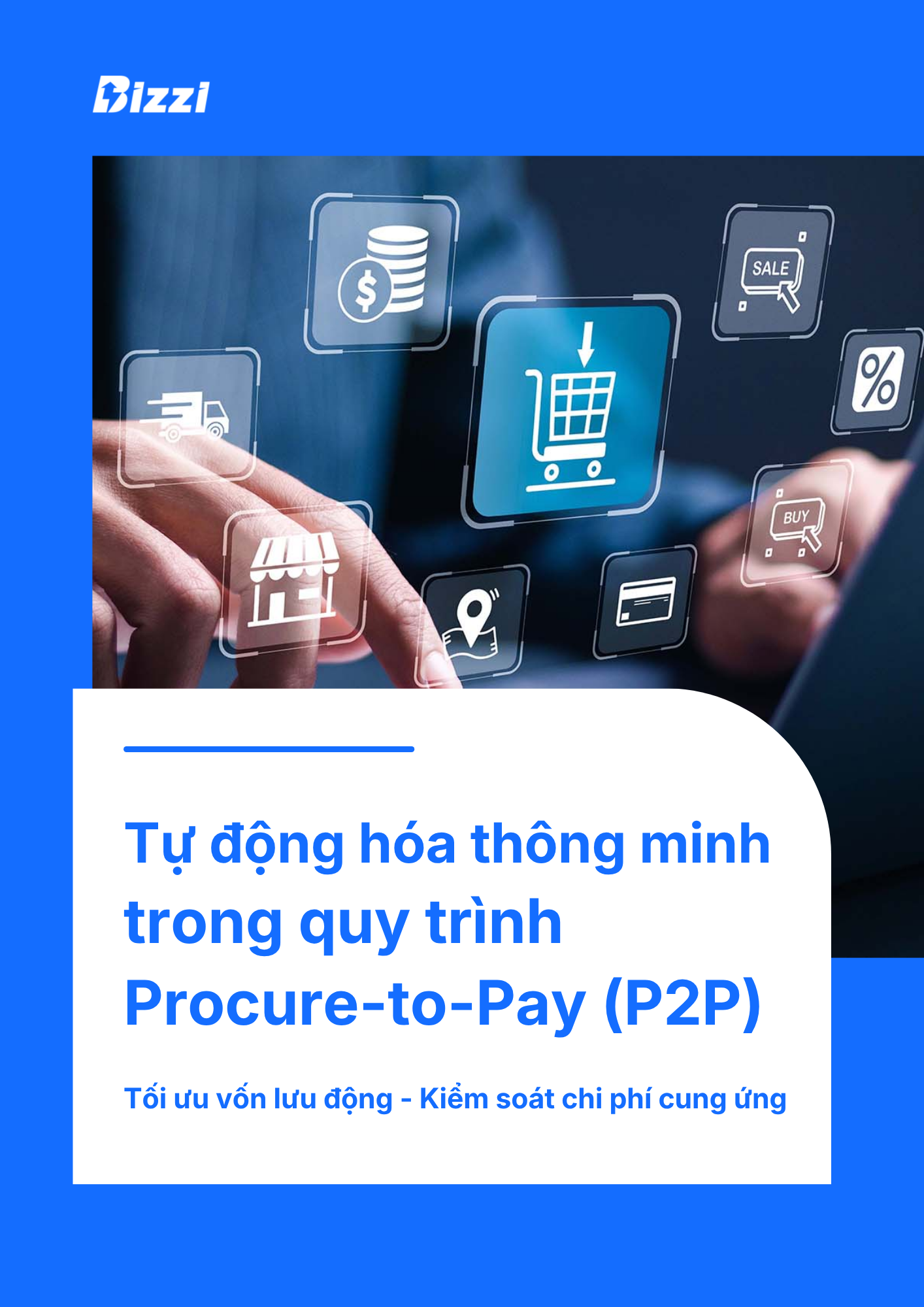
The ebook "Intelligent Automation in Procure-to-Pay (P2P) Processes" helps businesses identify bottlenecks in their current processes and find solutions through automation. The content focuses on standardizing processes from order placement to payment, reducing errors, speeding up processing, and improving cost control. Simultaneously, the document provides guidance on building a synchronized P2P system, enabling businesses to operate more efficiently and improve relationships with suppliers.

In the retail industry, the Procure to Pay (P2P) process is typically divided into two main groups:

  • P2P Trade (Commercial Goods): Transactions involving the direct purchase of goods for resale (e.g., food, household goods, fashion). This group directly impacts revenue and gross profit.
  • P2P Non-trade (Non-commercial goods/Operations): Purchases made to support business operations (e.g., store equipment, office supplies, marketing services, utilities).


With businesses increasingly under pressure to control costs, optimize working capital, and operate more transparently, the process... Procure-to-Pay (P2P) transactions are often fragmented across multiple departments, processed manually, and lack consistent data. This leads to delays in approvals, invoice errors, and difficulties in controlling overall spending, especially as businesses grow.

The ebook "Intelligent Automation in Procure-to-Pay (P2P) Processes" helps businesses identify bottlenecks in their current processes and find solutions through automation. The content focuses on standardizing processes from order placement to payment, reducing errors, speeding up processing, and improving cost control. Simultaneously, the document provides guidance on building a synchronized P2P system, enabling businesses to operate more efficiently and improve relationships with suppliers.

Sign up to receive documents