



In the context of Vietnamese businesses increasingly engaging in multi-currency transactions, exchange rate discrepancies not only affect accounting profits but also have repercussions. Tax exchange rate difference risk when settling corporate income tax. For the CFO, the challenge isn't about "which exchange rate to record," but about designing a system. internal exchange rate policy Clearly, it complies with the exchange rate regulations of Circular 99 and is automatically integrated into ERP system to reduce operational errors.
This article provides a comprehensive analysis from Principles for determining exchange rates This includes selecting the book exchange rate and automating foreign exchange reconciliation according to modern management standards.
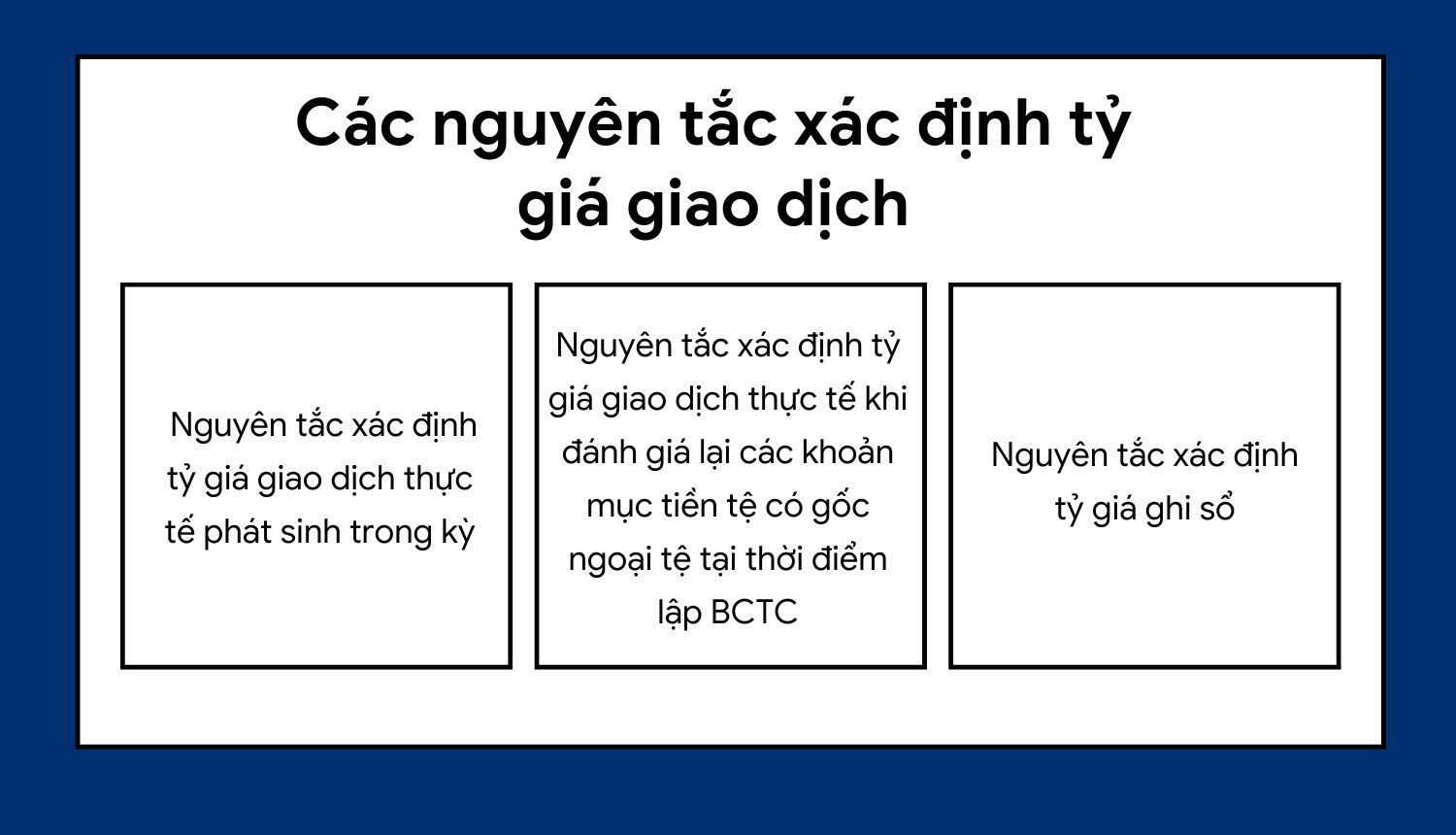
Principles for determining the actual exchange rate according to Circular 99
According to Circular 99 on exchange rates, the actual transaction exchange rate is the average buying and selling rate for transfers at the bank where the business regularly conducts transactions. Businesses are allowed to apply this rate uniformly to both debit and credit accounts, instead of differentiating between buying and selling rates as before.
Formula for determining exchange rate: Transaction rate = (Buying rate + Selling rate)/2
This change helps reduce accounting pressure and simplifies configuration. ERP This reduces confusion when converting between Circular 200 and the exchange rate regulations in Circular 99. However, if the wrong "regularly transacting bank" is selected, the entire foreign currency balance may be inaccurate.
The concept of "frequently transacted bank" is not merely qualitative. From a management perspective, the CFO should quantify it based on the actual transaction volume, for example, a bank that accounts for over 50% payment volume in the last 6–12 months.
How to apply the average buying and selling exchange rate for transfers in accounting.
The average exchange rate used for transfers is used to record all transactions denominated in foreign currency during the period, including asset purchases, expenses, or revenue. The CFO needs to decide between using daily exchange rates or weekly/monthly approximate rates.
The difference between the accounting exchange rate and the actual exchange rate at the bank can be measured as follows:
Variance(%)=|Rate actual – Rate average)/Rage Average| *100
If the cumulative discrepancy is large, the earnings report will be highly volatile.
One less-discussed point is the "intermediate currency." In cases where banks don't publish direct exchange rates between two currencies, businesses must convert using USD as an intermediary. Without an automated system, this can create a chain reaction of errors.
Methods for selecting the optimal book exchange rate for businesses.
Choosing the book exchange rate determines the value of the foreign currency issued during payment. liabilities or recall accounts receivableBusinesses typically choose between a specific exchange rate or a moving weighted average.
Moving weighted average formula:
Morning Average Rate=(ValueExisting+ValueNew)/(QtyExisting+QtyNew)
The book exchange rate system operates similarly to inventory management. Each payment is a "withdrawal" of foreign currency from inventory. If the wrong method is chosen, the realized FX gain/loss ratio will be distorted.
For large foreign currency loans in the Project Finance project, the specific identification method accurately reflects the cash flow of each contract. However, for businesses with high transaction frequency, the moving weighted average is often more optimal.
How to construct an internal exchange rate policy and approximate band of 1%
Internal exchange rate policies must clearly specify the reference bank, update frequency, and permissible deviation margin. According to Circular 99, businesses are allowed to use approximate exchange rates if they do not exceed +/- 1% compared to the standard rate. average exchange rate for buying and selling transfers.
Control formula:
- Internal buying rate = Base rate x (1-Frequency margin)
- Internal selling exchange rate = Base exchange rate x (1 + Margin)
If this threshold is exceeded without adjustment, the expense may be disallowed during tax settlement.
From a CFO's perspective, the internal exchange rate policy acts as a "safe harbor," protecting the company during audits. The audit trail should take note of this:
- Daily reference exchange rate.
- Reasons for choosing approximate exchange rates.
- The person who approved the adjustments.
Bizzi allows for the establishment of rule-based 1% limit controls, automatically flagging over-limit transactions and tracking approvals. This ensures compliance and minimizes risk. Tax exchange rate difference risk.

Managing exchange rate differences for tax purposes and corporate income tax settlement.
Tax exchange rate risk primarily arises from the revaluation of monetary items at the end of the period. Exchange rate losses from the revaluation of cash and accounts receivable are typically not included in the calculation. Deductible expenses when calculating corporate income tax.. CFOs need to clearly distinguish between "realized" and "unrealized" profit/loss. Failure to do so correctly can lead to underpayment of taxes and penalties under Article 20%.
Comparing Circular 200 and Circular 99
| Index | Circular 200 | Circular 99 | Risks for CFOs |
| Exchange rate | Distinguishing between buying and selling. | Average transfer | Confusion during conversion |
| Approximate range | Hollow | +/- 1% | Expenses will be disallowed if exceeded. |
| Final evaluation | Buy/Sell separately | Average homogeneity | Balance discrepancies |
Frequently Asked Questions about the Principles of Determining Exchange Rates
Below is a summary of answers to related questions to provide more information on the principles for determining exchange rates as well as average buy-sell transfer rates.
1. Does Circular 99 mandate the removal of the buying/selling exchange rates stipulated in Circular 200?
While not mandatory, using the average exchange rate for transfers is encouraged to simplify operations and reduce discrepancies between accounting and tax purposes.
According to Circular 99/2022/TT-BTCBusinesses can apply principles to determine exchange rates in a more consistent, transparent, and easily controllable manner. Meanwhile, Circular 200/2014/TT-BTC still allows for the differentiation of buying and selling rates depending on the nature of the transaction.
From a CFO's perspective, maintaining both approaches simultaneously would increase operational complexity and foreign exchange reconciliation. Therefore, many businesses choose to adjust their internal exchange rate policy to use the average exchange rate as a consistent reference to reduce the risk of exchange rate discrepancies related to taxes.
2. How can I identify a bank I "frequently transact with"?
The selection of a reference bank should be based on factual data, not subjective opinions. Typically, businesses identify their frequently transacting bank based on:
- The highest trading frequency was in the last 6–12 months.
- Or the largest total value of foreign exchange transactions during the same period.
This is an important basis when developing internal exchange rate policies, as the average buying and selling rates for transfers will be taken from this bank as the basis for recording.
At the management level, the CFO should require the accounting department to periodically review the reference bank. If there are changes, clear explanations must be provided, and consistency with internally established exchange rate determination principles must be maintained.
3. Are exchange rate losses resulting from year-end revaluation considered deductible expenses?
This is an issue that creates many risks of tax exchange rate discrepancies if its nature is not properly understood.
According to current tax regulations:
- Exchange rate losses due to the revaluation of liabilities at the end of the period: these are deductible expenses.
- Exchange rate losses on cash and accounts receivable: not deductible as reasonable expenses, and will be disallowed during tax settlement.
This point is particularly important in the context of businesses with large USD debt or foreign currency borrowing transactions. If the chosen book exchange rate is inconsistent, or there is no separate tracking system for each item, the risk of exchange rate differences in taxes can directly affect after-tax profits.
Automated foreign exchange reconciliation allows CFOs to proactively simulate the impact of exchange rate revaluation before closing the books, rather than reacting reactively during the settlement process.
4. Can a business change its book exchange rate during the fiscal year?
Businesses are allowed to change their method of selecting exchange rates for book value recording, but must ensure consistency and provide clear explanations in their financial statements. Changing the domestic exchange rate policy mid-year without a reasonable explanation may be considered by tax authorities as a profit-driven adjustment, especially if it reduces tax obligations.
Therefore, CFOs need to view the development of internal exchange rate policies as a component of financial risk management, not just a purely accounting decision. An automated system capable of tracking the history of exchange rate changes and policies would be crucial evidence during audits.

Conclusion: Internal exchange rate policy is a "defense mechanism" for CFOs.
In a multi-currency environment, compliance is crucial. Principles for determining exchange rates, apply correctly average exchange rate for buying and selling transfersclear design internal exchange rate policy Choosing the appropriate book exchange rate not only helps to make financial reporting transparent but also minimizes Tax exchange rate difference risk. However, if the entire process remains manual, the risk of errors is unavoidable.
When exchange rates are controlled automatically and consistently, the finance department is no longer reactive to market fluctuations or tax audits. Instead, the CFO can focus on risk mitigation strategies and optimizing capital structure – the true role of a modern financial manager.
To receive personalized financial management solutions tailored to your business, schedule an appointment with an expert here: https://bizzi.vn/dang-ky-dung-thu/