


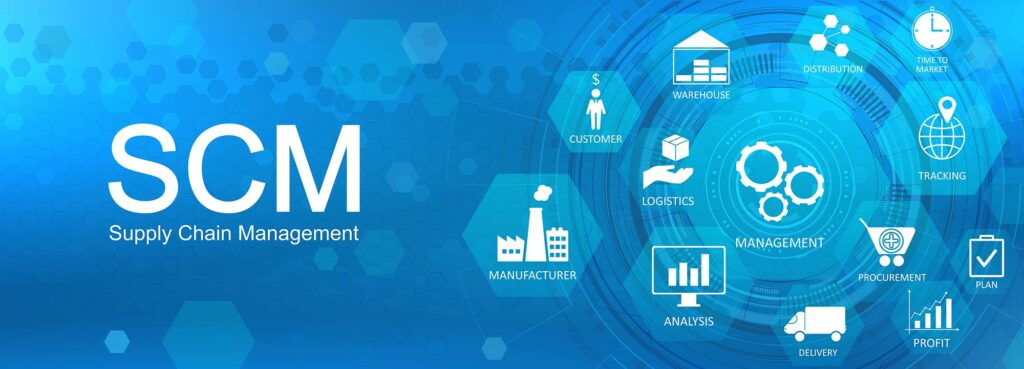
Understanding the nature of SCM helps businesses not only operate smoothly but also be proactive in strategy, control costs and increase competitive advantage. The following article by Bizzi will provide detailed information to answer the questions:
- What is SCM?
- What is supply chain management?
Why is “supply chain” management becoming the focus of every business?
After COVID-19, many businesses have realized that operational risks are not only in production but spread across the entire business. supply chain model, when global logistics disruptions cause supply and inventory disruptions. In the age of e-commerce and globalization, slow delivery, high inventory, or increased shipping costs directly impact revenue, profits, and customer experience.
Therefore, the implementation Supply Chain Management (SCM) It has become essential, helping businesses manage seamlessly from supplier → production → warehouse → distribution → customer, optimizing costs and improving operational flexibility.
What is supply chain management?
What is SCM? SCM (Supply Chain Management) is the process of planning, implementing and controlling the entire flow of materials, information and finances in the supply chain, with the goal of having the right product, in the right quantity, at the right time, in the right place and at the right cost.
Three main flows in SCM:
- Material flow: goods, raw materials, inventory.
- Information stream: order data, shipping, forecasting.
- Financial flow: payment, debt, purchase and sale costs.
Today, financial flows in SCM can be automated with platforms like Bizzi Bot (IPA + 3way), which helps businesses check invoices, reconcile and pay suppliers accurately in real-time, shorten processing times and reduce the risk of errors.

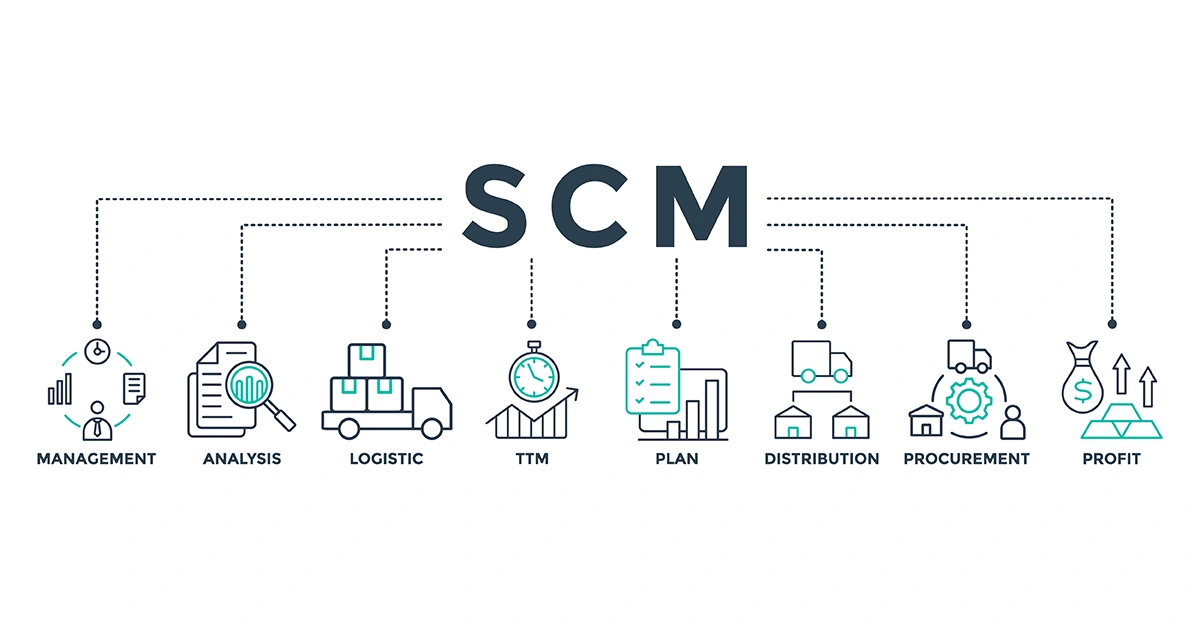
Basic components of the supply chain
Job Learn the basic components of a supply chain very important because it helps businesses Understand how it works, identify risk points, and optimize performance.
Understanding what supply chain management is and its basic components is the first step to effectively managing your supply chain, reducing risk, and increasing competitive advantage.
- Supplier – Provide raw materials or services.
- Manufacturer – Convert raw materials into products.
- Warehouse/Logistics – Storage, packaging, transportation.
- Distributor/Retailer – Bring products to market.
- Customer – The final connection point determines the demand back into the system.
What is the role of SCM in modern business?
Supply Chain Management (SCM) is a key tool to help businesses optimize operations and increase competitiveness:
- Cost optimization: Reduce inventory waste, shorten capital turnover and tightly control operating costs.
- Increase reaction rate: Grasp real-time data to adjust production and logistics in a timely manner.
- Increase profits: Control logistics costs, optimize selling prices and increase business efficiency.
- Enhance customer experience: Ensure delivery as committed, fast and reliable after-sales service.
- Strategic decision support: Information from SCM provides important data for finance, accounting and planning departments.
With Bizzi Expense and ARM, businesses can control supply chain operating costs – from procurement, logistics to suppliers – and real-time debt management. This is the key step to help CFO and finance department Effectively control costs, improve strategic decision making and optimize profits.
What are the five key links in supply chain management?
Every link in the supply chain is important; missing one link will make the entire chain inefficient, increase costs and reduce the competitiveness of the business. Missing one link in the supply chain will seriously affect operational efficiency, costs and customer experience.
| Link | Target | Technology support solutions |
| Planning | Forecast demand, balance production capacity | ERP, BI, AI demand forecast |
| Sourcing | Supplier selection and evaluation | Bizzi Bot – invoice reconciliation, tax code verification
Bizzi Solution |
| Making | Process, productivity, quality management | MES, IoT, Lean Manufacturing |
| Delivering | Transportation, warehousing, logistics management | WMS, TMS, risk warning system |
| Returning | Return and recycling management | Reverse logistics platforms |
In these 5 links, Bizzi solution especially supports Sourcing link and financial flow of the supply chain, helping businesses control costs, debts and supplier payments in real time, improve operational efficiency and make strategic decisions.
Sourcing chain support
- Automate the invoice reconciliation process: Bizzi Bot helps check input invoices, compare with contracts and documents, reducing manual errors.
- Supplier verification: The system supports tax code lookup, reputation assessment and transaction history, helping businesses choose reliable partners.
- Cost Control: Automatically record purchasing costs, manage debts and payments, create transparent and timely cash flow.
Support full-chain financial flows
- Bizzi is not only limited to purchasing but Monitor operating costs across the entire supply chain, including logistics, warehousing and related costs.
- Allow CFO and finance department make quick decisions Thanks to real-time cost data, it supports accurate planning and forecasting.
Integration with other systems
- Bizzi comprehensive integration with ERP, WMS/TMS, BI to synchronize physical flow, information flow and financial flow data.
- Help businesses deploy “closed-loop performance management”, where every decision about purchasing, manufacturing or distribution is based on accurate, constantly updated data.
Increase operational efficiency and reduce risk
- Minimize manual errors, avoid data duplication and incorrect payments.
- Optimize cash flow and costs, shorten processing time, improve transparency and risk control throughout the chain.
Distinguishing SCM and Logistics
If SCM focuses on overall and strategic supply chain management, then Logistics is an effective execution tool in the transportation and warehousing chain.
| SCM (Supply Chain Management) | Logistics | |
| Scope | Covers the entire supply chain from supplier → production → logistics → distribution → customer | Focus only on transportation and warehousing |
| Target | Optimize the entire chain, reduce costs, shorten capital turnover and improve overall efficiency | Ensure on-time delivery at low cost. |
| Strategic | Is the big picture, supporting strategic decision making | As an operational piece, perform daily operations in the chain. |

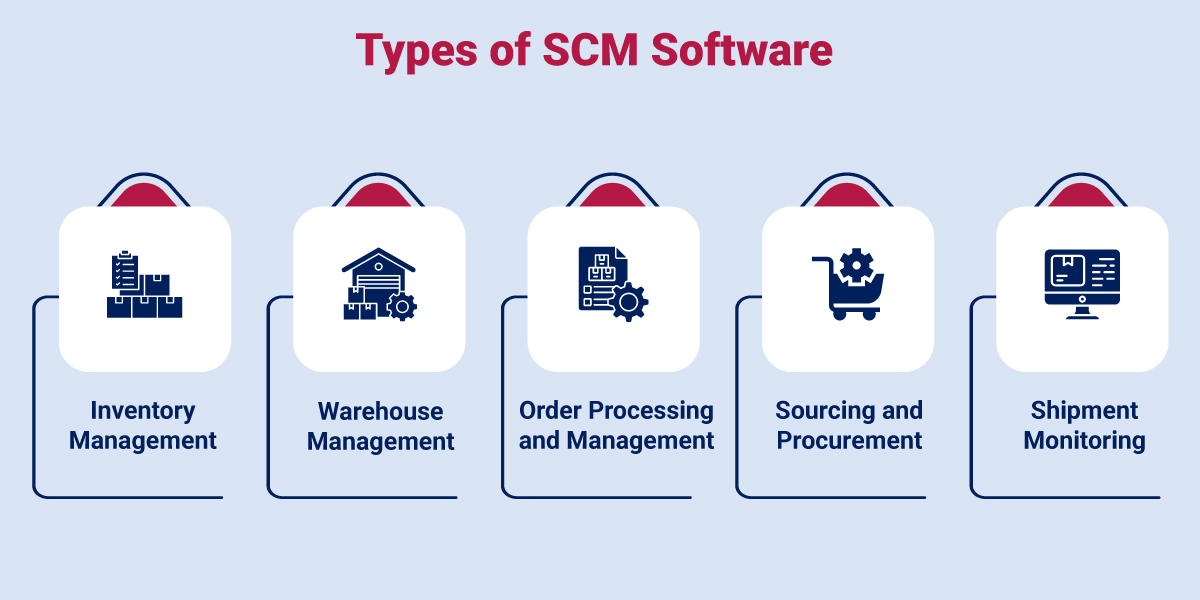
What are the trends in SCM in 2026? Automated – Transparent – Sustainable
Enterprises in 2026 need to deploy SCM in an automated, transparent and sustainable manner to optimize costs, shorten decision-making time and increase operational flexibility.
Automation & AI SCM
- Automate procurement, accounting, and cost reporting processes with AI, reducing errors and speeding up processing.
- Bizzi offers ERP integration APIs, automates invoicing and internal cash flow, and gives CFOs real-time visibility into supply chain cost data.
Green SCM
- Environmentally friendly supply chain, reducing emissions and optimizing transportation, towards sustainable development.
Agile SCM
- Increase the ability to respond quickly to supply crises, turning risks into opportunities.
Connected Data
- Integrate data between finance – logistics – production planning, helping to make decisions based on unified and transparent data.
Connect Bizzi & Sactona EPM
Use Bizzi combined with Sactona EPM to connect supply chain cost data with enterprise-wide budget planning, building a data-driven performance management platform in supply chain management.
What are Sactona's outstanding strengths in supply chain management?
- Comprehensive data integration: Connect data from finance, accounting, production, warehousing and logistics departments, helping businesses have an overall picture of costs and chain efficiency.
- Support accurate planning and forecasting: Easily build plans, budgets, and rolling forecasts based on real-world data from across the supply chain, reducing errors and risks.
- Transparency and cost control: Helps CFOs and FP&A track procurement, operations, and logistics costs in real-time, ensuring cash flow and profitability optimization.
- Automate and save time: Supports automatic report consolidation, data reconciliation and version control, reducing manual work for finance and planning teams.
- Integration with other systems: Connect with ERP, or automation platforms like Bizzi to deploy smart and flexible supply chains, synchronizing data between links.
- Fast and flexible ROI: Effective deployment in 6–9 months, helping businesses quickly see results in productivity, data accuracy and cost efficiency.

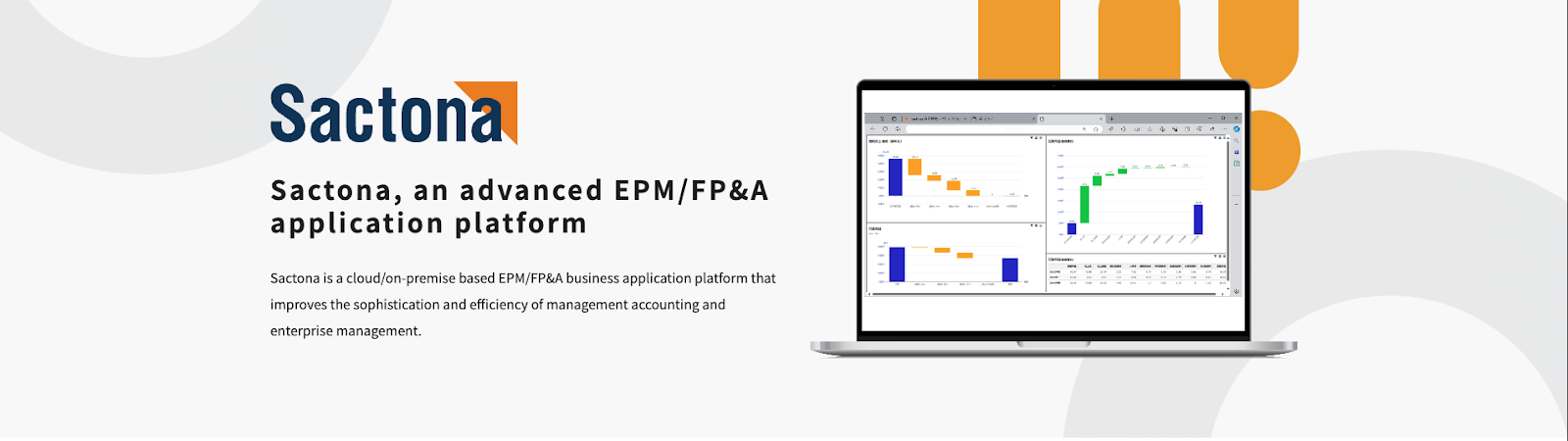
In short, Sactona is not only an EPM tool but also a comprehensive data platform and cost management tool, helping businesses manage their supply chains intelligently, transparently and efficiently, from planning to strategic decision making.
What are the careers and skills in supply chain management?
Within the supply chain, common positions include Supply Planner, Procurement Specialist, Demand Analyst, and Logistics Manager, each of which requires data analysis and quick decision-making, understanding of ERP/SCM software, and negotiation and supplier management skills.
In addition, qualities such as logical thinking, meticulousness, good communication and the ability to look at problems systematically are also very important to operate the supply chain effectively and support strategic decision making.
Conclude
Above is all the information related to what SCM is or in other words what supply chain management is. It can be seen that supply chain management (SCM) is not only operational activities but also the backbone of business strategy. Optimizing the supply chain means optimizing profits, shortening decision-making time and improving competitiveness.
In this context, Bizzi.vn plays the role of a financial infrastructure platform for smart supply chains, helping to automate payments, standardize data and connect cash flows between stakeholders, creating a solid foundation for businesses to operate efficiently and make data-driven decisions.
Bizzi focuses on solving 3 core financial problems
1. Invoice Processing
- Automate input invoice processing with AI, reduce up to 80% of manual time, eliminate errors and ensure timely payment to suppliers.
- 3-way automatic reconciliation system (Invoice – PO – GRN) helps control purchasing costs closely and transparently.
2. Expense Management
- Bizzi Expense Allows for real-time budget setting and monitoring, controlling costs incurred in supply chain operations, including logistics, warehousing and transportation.
3. Account Receivable Management
- Automate debt collection and receivable tracking, improve cash flow and ensure financial stability for the entire system.
To get advice on the right solution for your business and experience the solution directly, register now here!