



For a CFO, the question of what supplier management entails isn't simply about low purchase prices. It's a holistic problem of controlling tax risks, optimizing working capital, and ensuring transparency in the Procure-to-Pay (P2P) cycle. In the context of increasingly complex risks from "ghost invoices" and absconding businesses, establishing an automated supplier risk review and performance evaluation system has become a critical requirement.
This article by Bizzi will provide a comprehensive governance framework and process automation to help finance departments take control of partner data and protect cash flow.
What is supplier management?
Before discussing technology or capital optimization, CFOs need to have a clear understanding. What is supplier management? in the context of strategic finance.
Vendor management is the comprehensive process of managing the entire supply chain lifecycle—from selection and contracting to performance monitoring, payment, and renegotiation. For CFOs, it's a strategic tool for controlling costs, ensuring tax compliance, and optimizing the cash conversion cycle.
Essentially, supplier management is a part of Supplier Relationship Management (SRM) within the corporate finance ecosystem. Its impact extends beyond the purchasing department, directly affecting the Income Statement (P&L), cost of capital, and free cash flow.
When vendor data is fragmented between the Purchasing and Accounting departments, businesses are prone to incurring hidden costs: duplicate payments, incorrect tax declarations, and lengthy exception handling. Conversely, if Vendor Master Data is standardized and centralized, the CFO can see the entire partner portfolio, categorized by risk level and strategic value.
In practice, Bizzi Bot supports the creation and standardization of supplier data from input invoices, helping to build a "Single Source of Truth" for the entire financial system.
After understanding the nature of the problem, the most pressing issue is... Supplier risk assessment Legal and tax matters.

Why is supplier risk assessment a top priority for accountants?
As tax authorities intensify scrutiny of electronic invoices, the risk from opaque partners becomes a direct threat to after-tax profits.
Supplier risk assessment involves checking the legal status, tax identification number (TIN) status, compliance history, and tax reputation of a supplier. If a business deals with a supplier that has ceased operations but has not closed its TIN or is on a warning list, the expenses may be disallowed when calculating corporate income tax and input VAT may not be deductible.
The key point is that review shouldn't just happen at the time of contract signing, but should be conducted periodically. Many businesses skip this step, leading to significant control gaps.
Automated solutions like Bizzi Bot can retrieve data from the General Department of Taxation's system in real time, alerting if a supplier's tax identification number (MST) poses a risk, helping the chief accountant proactively decide to suspend payments or terminate cooperation.
Once compliance has been ensured, the next step is to build supplier evaluation criteria to optimize financial efficiency.
7 criteria for evaluating suppliers to optimize working capital?
To supplier performance evaluation Quantitatively speaking, CFOs need a clear set of criteria rather than relying on intuition.
Set supplier evaluation criteria The criteria include: legal reputation, product quality, delivery efficiency, competitive pricing, credit terms, financial health, and sustainability (ESG). Of these, credit terms directly impact the DPO index.
The DPO index is calculated using the following formula:
DPO = (Average Accounts Payable / Cost of Goods Sold) × Number of Days in the Period
A reasonable level of DPO helps businesses improve free cash flow without harming partnerships. However, to sustainably extend DPO, businesses must rely on real-world supplier performance data, such as on-time delivery rate (OTIF), response time, and documentation accuracy.
One often overlooked factor in supplier performance evaluation This refers to "transparency in documentation." Suppliers who frequently issue incorrect, delayed, or incomplete invoices will increase internal operating costs.
Bizzi Expense records transaction history, error rates, and processing times, providing data for CFOs to renegotiate discounts or payment terms based on concrete evidence.
For accurate data evaluation, businesses need a supplier management process Standardized according to P2P.
What is the standardized 5-step supplier management process based on the P2P model?
One supplier management process Efficiency is inseparable from the Procure-to-Pay cycle.
The standard procedure consists of 5 steps:
(1) Purchase request and approval
(2) Selection and signing of supplier contract
(3) Receive goods and record GRN
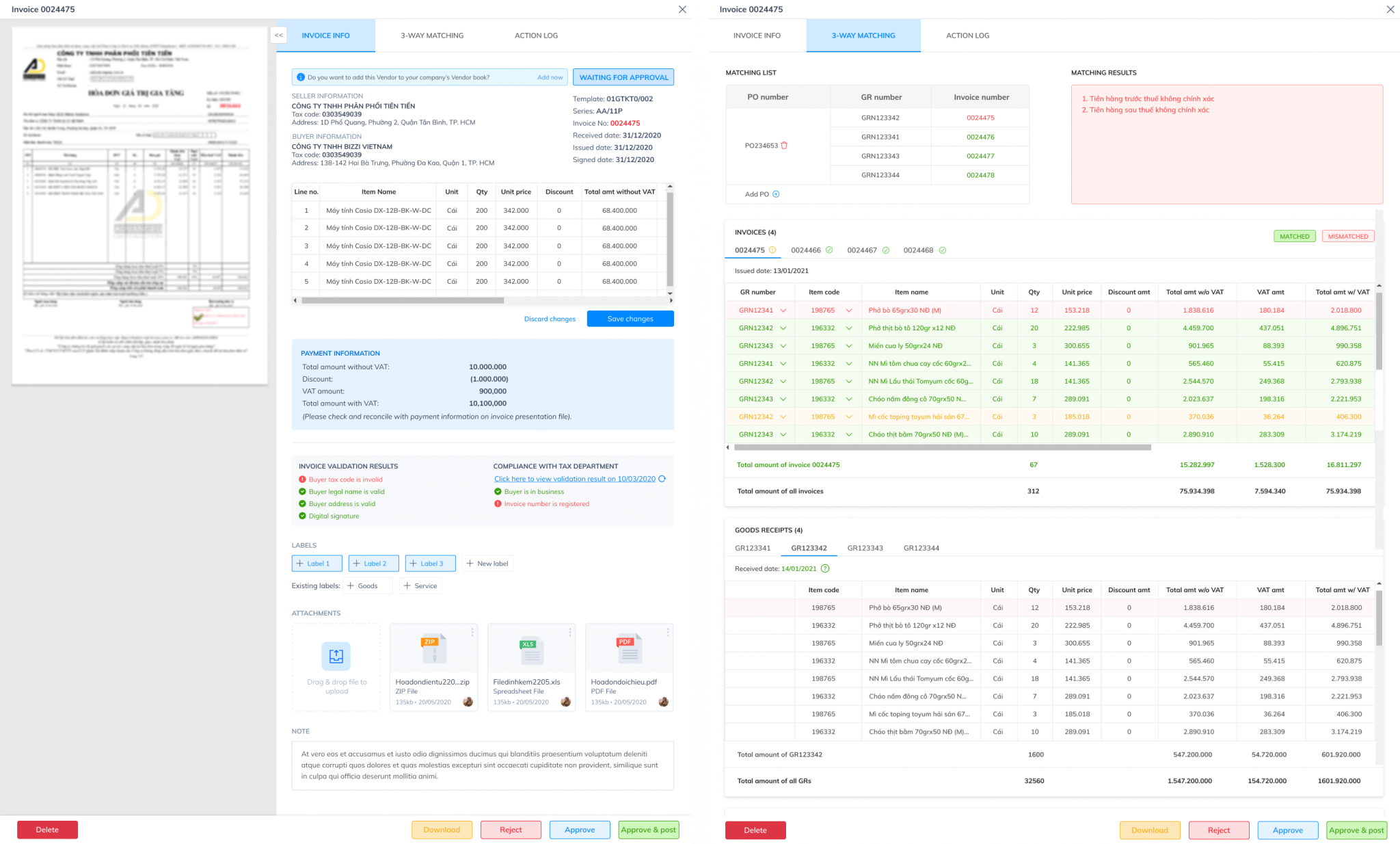
(4) Three-party invoice reconciliation
(5) Planning and executing payments
The biggest bottleneck often lies in the invoice reconciliation step. If this process is done manually, accountants have to spend 30–60 minutes on each set of documents, and the risk of fraud (kickback) or incorrect payments increases significantly.
The 3-way matching mechanism between Purchase Order – Grand Prize Receipt – Invoice is a mandatory control layer to ensure the principle of Segregation of Duties. Bizzi Bot can connect to ERP, automatically match data, and only push "clean" invoices into the payment approval stream.
When processes are digitized, CFOs can make decisions based on real-time data instead of delayed reports.
How to optimize working capital through supplier debt management?
Once the operational process is stable, the next goal is to optimize working capital.
Optimizing working capital through supplier management is about balancing extended DPO (Demand Point of Sale) and maintaining sustainable relationships. In relation to the Cash Conversion Cycle (CCC), managing accounts payable (AP) plays a crucial role.
When a business has excess cash, the Dynamic Discounting strategy allows for early payments to take advantage of discounts. Conversely, during periods when cash reserves are high, the CFO can prioritize payments based on risk level and strategic importance.
Bizzi ARM/AP provides aging reports and cash flow forecasts, helping CFOs clearly see payment obligations by period and maximize return on capital.
What are the trends in automating supplier management using AI and RPA?
In the context of digital transformation, the trend is no longer about "having software" but about "integrated AI and RPA ecosystems".
Automation eliminates much of the manual data entry, increasing accuracy and creating a transparent audit trail for every transaction. When data is consolidated, the Enterprise Performance Management (EPM) system can leverage Big Data to forecast supply and demand and optimize financial planning.
Through its AI and RPA ecosystem, Bizzi helps businesses shift from fragmented management to digital value chain governance, where every financial decision is based on standardized data.
What are some frequently asked questions about supplier management?
The following aspects of supplier management content will give you a more multifaceted perspective on this topic, enabling you to plan a more effective management strategy.
How can I automatically identify suppliers with tax risks?
Businesses can use solutions like Bizzi Bot to automatically check the status of their tax identification number (TIN) directly on the General Department of Taxation's system and continuously compare it with the list of high-risk businesses. Real-time updates allow the Finance Department to proactively prevent transactions with partners who have ceased operations, temporarily blocked their TIN, or are under warning, instead of discovering problems late after tax declarations have been filed.
Procedure 3-way matching What steps are involved?
Three-party reconciliation is an internal control mechanism designed to match data between three core documents: Purchase Order (PO), Goods Receipt (GRN), and Invoice. The goal is to ensure complete consistency in quantity, unit price, and payment terms before disbursement. When automated, this process minimizes errors and reduces the risk of incorrect payments or fraud.
How can I increase my DPO score while maintaining credibility with my suppliers?
CFOs should negotiate payment terms based on actual supplier performance data such as on-time delivery rates, documentation quality, and level of cooperation. Simultaneously, they can flexibly apply a dynamic discounting strategy during periods of excess cash. A transparent, data-driven approach will help extend the DPO (Deposit Per Order) reasonably without impacting the partnership.
Why should you use RPA instead of manual data entry in supplier management?
RPA automates repetitive tasks such as invoice entry, accounts receivable reconciliation, and partner information verification. This allows businesses to virtually eliminate human error, significantly speed up document processing, and create a clear audit trail for each transaction. This is a crucial foundation for increased transparency and audit readiness.
Hidden costs What is the biggest challenge in supplier management?
Most businesses underestimate the costs of handling erroneous invoices, the time spent on manual accounts receivable reconciliation, and the risk of tax arrears due to a lack of control over the validity of partners. These costs not only consume human resources but also directly impact after-tax profits.
How does managing non-trade suppliers differ from managing trade suppliers?
Non-trade expenses such as electricity, water, office services, or marketing costs often have small individual invoice values but occur frequently. Therefore, businesses need a flexible, automated approval mechanism and budget control based on expenditure categories. Solutions like Bizzi Expense standardize this process, ensuring good control without slowing down operations.
Does Bizzi software integrate with existing ERP systems?
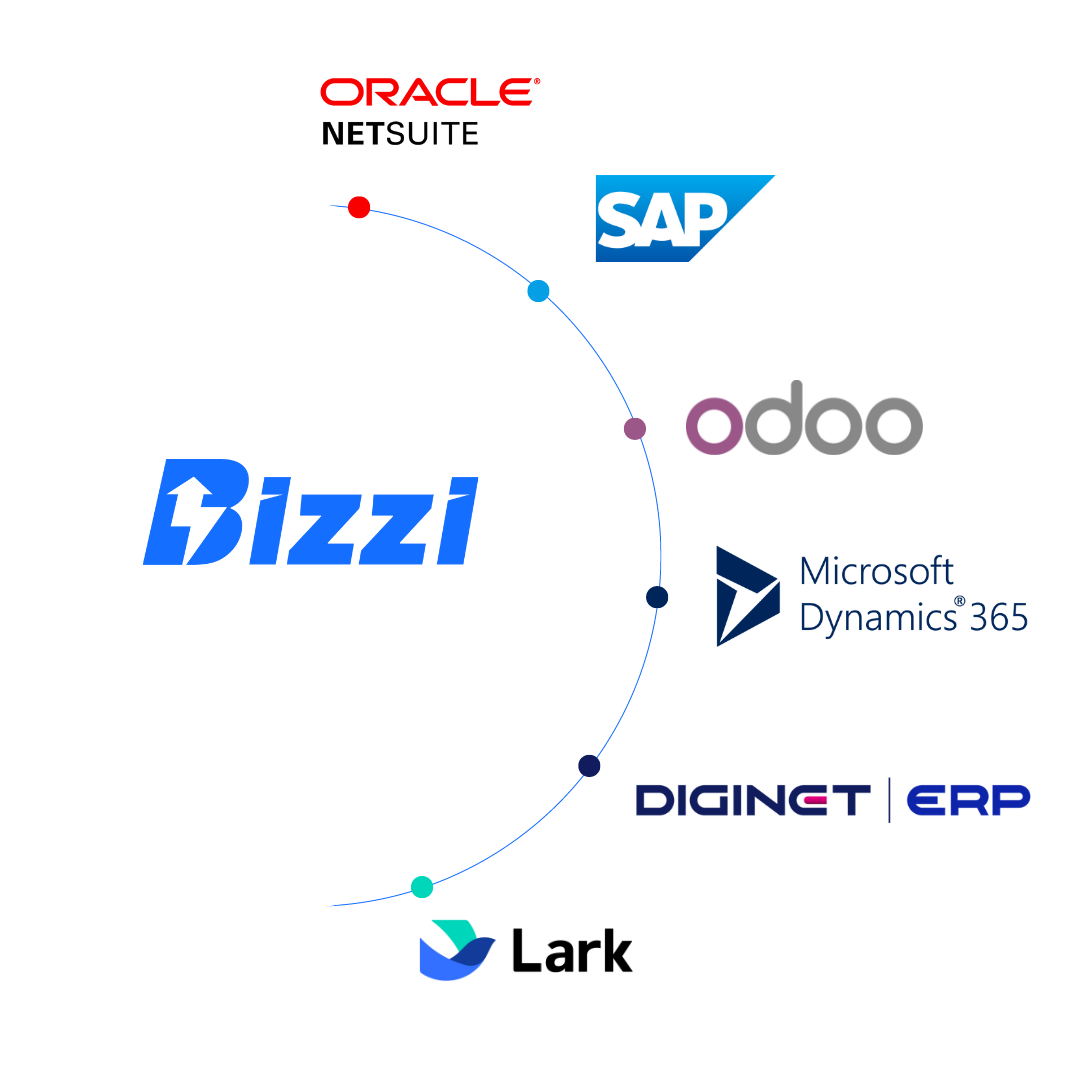
Yes. Bizzi supports it. Flexible API integration with ERP systems. Popular software such as SAP, Oracle, Microsoft Dynamics, as well as domestic accounting software, enable seamless synchronization of invoice data, accounts receivable, and 3-way matching results, helping CFOs maintain a centralized and transparent financial ecosystem.
Conclusion: From supplier management to strategic cash flow control
Understanding what supplier management entails helps CFOs see it not just as a purchasing function, but as a strategic lever to protect profits and optimize working capital. When supplier management processes are standardized according to P2P standards, combined with quantitative supplier evaluation criteria and automated supplier risk assessment mechanisms, businesses can minimize tax risks, increase reasonable DPO, and improve the cash conversion cycle.
In this context, AI & RPA solutions like Bizzi play a central control layer: standardizing Vendor Master data, automating 3-way matching, and providing real-time accounts receivable reports for the CFO. Not only does it save the finance department time, but the system also transforms supplier data into a strategic asset for cash flow decision-making.
Good supplier management isn't about "buying cheaper," but about making the business safer, more flexible, and more sustainably profitable.
To receive one-on-one consultation on effective cash flow management solutions for your business, book an appointment today! https://bizzi.vn/dat-lich-demo/