


ESG không còn là “bài PR xanh” hay một báo cáo làm cho có. Với CFO, ESG là một hệ tiêu chí giúp đo rủi ro – đo hiệu quả – chứng minh minh bạch bằng dữ liệu có thể truy vết. Bài viết này giải thích đúng bản chất ESG, phân biệt “tiêu chuẩn/khung/quy định”, và đưa ra mô hình ESG triển khai được từ tầng giao dịch (hóa đơn/chi phí/công nợ) tới báo cáo tuân thủ và ra quyết định tài chính.
What is ESG?
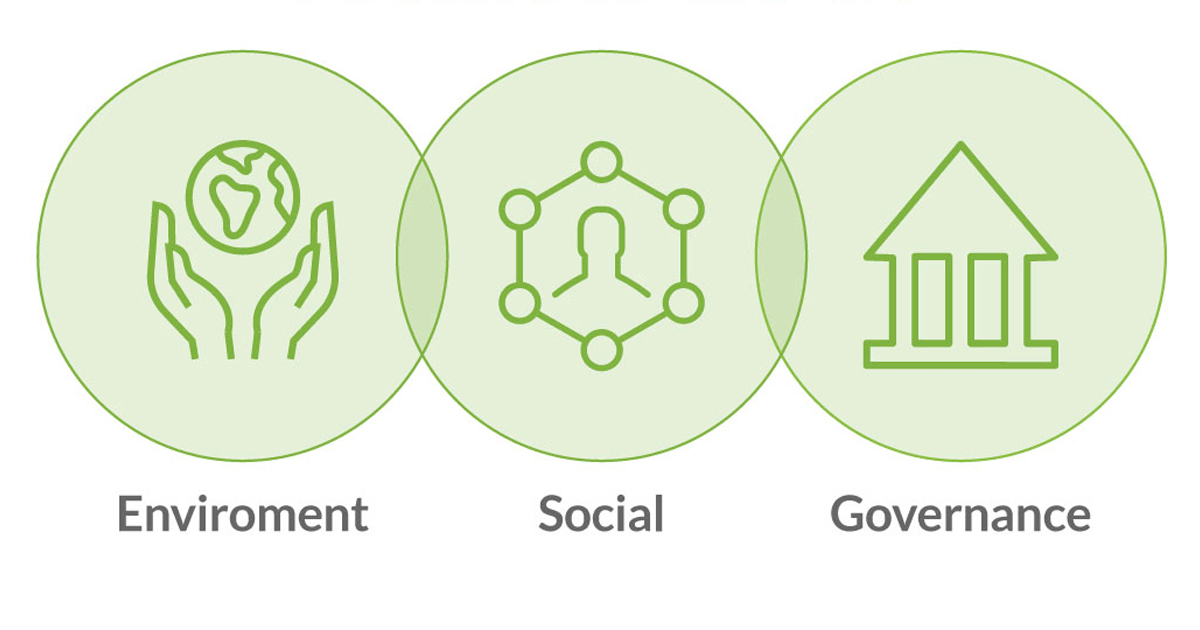
ESG is a set of criteria for assessing the sustainability of a business based on three factors: environmental, social, and governance. ESG helps businesses measure risk, compliance levels, and transparency to support governance and financial decision-making.
Ở góc nhìn quản trị, ESG tồn tại không phải để kể câu chuyện “doanh nghiệp tốt thế nào”, mà để trả lời những câu hỏi rất thực tế: rủi ro nào có thể ảnh hưởng đến dòng tiền và giá trị doanh nghiệp, mức độ tuân thủ đang ở đâu, và liệu các quyết định vận hành hiện tại có bền vững về dài hạn hay không. Vì vậy, ESG được sử dụng như một hệ đo lường rủi ro và hiệu quả, chứ không phải một khẩu hiệu hay chiến dịch truyền thông.

Điểm khác biệt lớn nhất giữa ESG và các “cam kết xanh” nằm ở chỗ ESG phải có chỉ số, có dữ liệu và có khả năng đối soát. Một mục tiêu giảm phát thải, một chương trình phúc lợi hay một chính sách quản trị chỉ được coi là ESG khi doanh nghiệp chứng minh được bằng số liệu phát sinh trong vận hành: chi phí, hợp đồng, hóa đơn, phê duyệt và mối quan hệ với nhà cung cấp. Nếu không truy vết được về dữ liệu gốc, ESG chỉ dừng ở mức tuyên bố.
From a financial perspective, ESG serves three main objectives: (1) long-term risk management (legal, supply chain, compliance), (2) transparent reporting for access to capital and partners, and (3) improved quality of operational decisions and budget allocation.
What is an ESG report? Báo cáo ESG là công cụ công bố các chỉ số môi trường, xã hội và quản trị theo tiêu chuẩn nhất định, giúp doanh nghiệp chứng minh năng lực bền vững trước nhà đầu tư và đối tác. Ở đây, ESG chỉ thực sự “chạy” khi dữ liệu vận hành được chuẩn hóa. Các nền tảng như Bizzi thường được CFO sử dụng như nguồn dữ liệu giao dịch đáng tin cậy, giúp ESG không tách rời khỏi tài chính.
To properly understand ESG, it is necessary to clearly distinguish it from CSR, sustainable development, or Net Zero.
How does ESG differ from CSR and sustainable development?
ESG focuses on measuring and controlling risks using data; while CSR and sustainability are often oriented towards or involve a set of committed activities. ESG requires businesses to demonstrate their commitment through verifiable indicators and evidence, not just statements.
Ở nhiều doanh nghiệp, CSR (Corporate Social Responsibility) và phát triển bền vững thường gắn với những việc “nên làm”: chương trình cộng đồng, chính sách môi trường, phúc lợi người lao động hay các sáng kiến xã hội. Những hoạt động này có giá trị, nhưng bản chất của chúng là hành động và cam kết. Ngược lại, ESG đặt ra câu hỏi quản trị khó hơn: những hoạt động đó tác động thế nào đến rủi ro, chi phí, dòng tiền và giá trị doanh nghiệp, và doanh nghiệp có bằng chứng gì để chứng minh?
This difference is evident when comparing four core criteria. In terms of objectives, CSR focuses on image and social responsibility, while ESG focuses on risk management and long-term effectiveness. Regarding target audiences, CSR primarily serves the community and brand communication, while ESG serves investors, banks, auditors, and management. In terms of data requirements, CSR can be described through stories and activities, while ESG requires quantitative, consistent, and traceable data. Most importantly, in terms of auditability, ESG requires evidence for independent verification, while CSR generally does not place such a strong emphasis on this requirement.
Điểm then chốt cần nhấn mạnh là: ESG phải kiểm tra được. Một sáng kiến trồng cây hay giảm nhựa chỉ thực sự trở thành ESG khi doanh nghiệp chứng minh được chi phí đã chi, nhà cung cấp liên quan, quy trình phê duyệt, kết quả đo lường và tác động tài chính. Nếu không có chuỗi dữ liệu này, doanh nghiệp rất dễ rơi vào rủi ro “nói nhiều hơn làm” hoặc bị nghi ngờ greenwashing.
Vì vậy, ESG không thay thế CSR. CSR là phần “hành động”, còn ESG là lớp quản trị nằm trên CSR, giúp đo lường, kiểm soát và đưa các hoạt động đó vào hệ thống ra quyết định tài chính. Nói cách khác, CSR trả lời câu hỏi doanh nghiệp làm gì, còn ESG trả lời việc đó có bền vững và kiểm soát được không.
In practice, this distinction is clearly demonstrated in the data. CSR is typically documented as a program or initiative, while ESG needs to be measured by costs, invoices, and budgets associated with each activity. This is why CFOs often use platforms like Bizzi to transform CSR activities into verifiable ESG data: spending is purposeful, invoices serve as evidence, and budgets help monitor commitment levels.
Once the fundamentals are understood, the next question is: what are ESG standards and how many types are there?
What are ESG standards?
Many CFOs often ask: What are ESG standards? And which standards should businesses comply with? ESG standards are sets of guidelines or regulations that help businesses determine which ESG content to measure, how to disclose it, and to what extent to which they comply. Not all ESG standards are mandatory, and no business needs to implement all of them.
Trong thực tế, khi nói “tiêu chuẩn ESG”, nhiều doanh nghiệp thường bị nhầm lẫn vì đây không phải một khái niệm đơn nhất. ESG bao gồm ba lớp khác nhau, mỗi lớp trả lời một câu hỏi quản trị riêng.
First, there are the frameworks. These are sets of principles that help businesses understand what to measure and why. Frameworks are usually flexible, allowing businesses to choose metrics that are appropriate for their operational context, industry, and level of data maturity. They serve to shape ESG thinking rather than force compliance.
Secondly, there are disclosure standards. These standards focus on external reporting: what metrics a business needs to disclose, and in what structure, so that investors or partners can compare and evaluate them. Disclosure standards require consistent data and clear definitions, but are usually not legally mandated unless referenced by the market or regulatory body.
Thứ ba là quy định bắt buộc (regulatory requirements). Đây là lớp “cứng” nhất, gắn với pháp luật hoặc nghĩa vụ niêm yết. Khi rơi vào lớp này, doanh nghiệp không còn lựa chọn “làm hay không”, mà phải đảm bảo tuân thủ, sẵn sàng giải trình và kiểm toán.
Góc nhìn quan trọng cho CFO là: doanh nghiệp không cần – và không nên – áp dụng tất cả các tiêu chuẩn ESG cùng lúc. Áp dụng dàn trải khi dữ liệu chưa sẵn sàng thường dẫn đến báo cáo nặng hình thức, tốn chi phí và rủi ro sai lệch. Điều quan trọng hơn là chọn tiêu chuẩn phù hợp với mục tiêu quản trị và thị trường: doanh nghiệp đang cần quản trị rủi ro nội bộ, phục vụ nhà đầu tư, hay chuẩn bị cho yêu cầu pháp lý?
Before choosing a standard, the CFO needs to answer a very practical question: what data does the business currently have at hand? Cost data, invoices, suppliers, contracts, and internal approvals form the basis for deciding which standard can be implemented. At this stage, platforms like Bizzi are often used to assess ESG data readiness: is the data centralized, traceable, and reliable enough for publication?
Clearly understand What are ESG standards? This helps CFOs choose the right framework to apply. Once you understand what ESG standards are, the next question is: which ESG standards are commonly used today and in what situations should they be used?
What are the currently popular ESG standards and when should they be used?
Currently, popular ESG standards include GRI, ISSB, and ESRS (alongside several climate-specific frameworks). Each standard serves a different purpose: reporting impacts to multiple stakeholders, disclosing information to investors, or complying with legal requirements in specific markets.
In fact, common ESG standards can be divided into three groups according to their intended use, rather than trying to remember their names or technical details.
The first group serves to report on overall impact and transparency. A typical example is GRI. This standard is suitable for businesses that want to convey a broad picture of ESG: environmental, social, and governance impacts on multiple stakeholders such as the community, employees, customers, and partners. GRI is often chosen when businesses want to build an initial ESG foundation or create independent sustainability reports.
Nhóm thứ hai phục vụ nhà đầu tư và thị trường vốn. Tiêu biểu là ISSB với các chuẩn IFRS S1/S2. Nhóm này tập trung vào “financial materiality” – tức là các vấn đề ESG nào có ảnh hưởng trực tiếp đến dòng tiền, rủi ro và giá trị doanh nghiệp. Doanh nghiệp niêm yết, gọi vốn quốc tế hoặc làm việc với quỹ đầu tư thường ưu tiên nhóm chuẩn này.
The third group relates to regional legal compliance, typically ESRS in Europe. ESRS are designed to meet mandatory requirements, with a high level of detail and stringent data requirements. Businesses with operations or supply chains involving the EU need to pay particular attention to this group.
Điểm mấu chốt là: không có “chuẩn ESG tốt nhất” cho mọi doanh nghiệp. Chỉ có chuẩn phù hợp nhất với mục tiêu, thị trường và năng lực dữ liệu hiện tại. Một doanh nghiệp có thể bắt đầu với GRI để xây nền dữ liệu, sau đó chuyển dần sang ISSB khi cần công bố cho nhà đầu tư – miễn là dữ liệu gốc đủ sạch và nhất quán.
Đây là lý do CFO cần nhìn ESG từ góc độ hệ thống dữ liệu. Khi dữ liệu chi phí, hóa đơn và công nợ đã được chuẩn hóa ở tầng giao dịch, doanh nghiệp có thể đổi chuẩn báo cáo mà không phải “làm lại từ đầu”. Các nền tảng như Bizzi giúp chuẩn hóa dữ liệu đầu vào, để việc chuyển đổi giữa các tiêu chuẩn ESG trở thành bài toán báo cáo, thay vì bài toán vận hành.
Tiêu chuẩn ESG trả lời câu hỏi “báo cáo thế nào”. Phần tiếp theo sẽ trả lời câu hỏi quan trọng hơn với CFO: mô hình ESG là gì và vận hành ra sao để ESG trở thành năng lực quản trị dài hạn?
What is the ESG model?
Câu hỏi “What is the ESG model?” thường được đặt ra sau khi doanh nghiệp đã hiểu tiêu chuẩn. Mô hình ESG là cách doanh nghiệp tổ chức con người – dữ liệu – quy trình để triển khai ESG một cách nhất quán, có kiểm soát và có thể báo cáo. Chính mô hình này quyết định ESG chỉ là một dự án ngắn hạn hay trở thành năng lực quản trị dài hạn của doanh nghiệp.
To understand What is the ESG model?, cần nhận ra rằng ESG không phải là một phòng ban. Doanh nghiệp không thể “lập phòng ESG” rồi kỳ vọng các chỉ số môi trường, xã hội và quản trị tự động vận hành. Trên thực tế, ESG là một mô hình vận hành liên phòng, nơi dữ liệu và trách nhiệm nằm rải rác ở tài chính, kế toán, mua hàng, nhân sự, pháp chế và vận hành.


In this model, the CFO is typically the central coordinator. The reason lies not in the title, but in the nature of the job: the CFO controls cash flow, expenses, liabilities, internal controls, and reporting—that is, the core data sources that ESG can measure, verify, and validate. ESG, if not linked to financial data and operational controls, remains merely a statement.
Góc nhìn khác biệt của bài viết này là: thay vì mô tả ESG như một chuỗi bước tuần tự (khảo sát → thu thập → báo cáo), ESG cần được nhìn như một hệ thống vận hành sống, trong đó dữ liệu được tạo ra hàng ngày, kiểm soát liên tục và báo cáo chỉ là “đầu ra” cuối cùng. Khi mô hình vận hành đúng, ESG không cần “làm lại mỗi năm”.
Trong hệ thống đó, các nền tảng như Bizzi không đóng vai trò chiến lược ESG, nhưng nằm ở tầng dữ liệu và kiểm soát: nơi chứng từ chi phí, hóa đơn và công nợ được chuẩn hóa, lưu vết và đối soát. Chiến lược ESG chỉ có thể “chạy được” khi tầng này đủ vững.
Once we understand that the ESG model is an operational system, the next question is: what components are needed for a practical ESG model to be implemented in reality?
What are the components of a viable ESG implementation model?
Một mô hình ESG triển khai được thường gồm năm phần gắn chặt với nhau: cơ chế quản trị, bộ chỉ số trọng yếu, hệ thống dữ liệu, kiểm soát nội bộ và báo cáo – cải tiến. Thiếu bất kỳ phần nào, ESG sẽ khó duy trì và khó chứng minh.
Thứ nhất là phân công trách nhiệm rõ ràng. ESG không vận hành theo kiểu “ai cũng liên quan nhưng không ai chịu trách nhiệm”. Doanh nghiệp cần xác định rõ ai chịu trách nhiệm dữ liệu, ai phê duyệt chính sách, ai tổng hợp và ai chịu trách nhiệm cuối cùng trước báo cáo. Ở nhiều doanh nghiệp, vai trò này hội tụ về CFO hoặc Ban Tài chính vì đây là nơi kiểm soát dòng dữ liệu xuyên suốt.
Thứ hai là xác định bộ chỉ số ESG trọng yếu. Không phải mọi chỉ số trong tiêu chuẩn đều cần theo dõi ngay từ đầu. Mô hình hiệu quả luôn bắt đầu từ các chỉ số có tác động tài chính, rủi ro và khả năng đo lường cao, sau đó mở rộng dần. Việc chọn sai hoặc quá nhiều chỉ số sẽ làm mô hình ESG “nghẽn” ngay từ đầu.
Third, collect data from real-world operations. ESG data isn't found on slides or in individual surveys, but rather in costs, invoices, contracts, suppliers, and internal approvals. ESG models are only sustainable when they leverage existing operational data instead of creating new manual data entry flows.
Thứ tư – và thường bị bỏ quên nhất – là kiểm soát và đối soát dữ liệu. Đây là lớp quyết định ESG có “audit-ready” hay không. Kiểm soát bao gồm: chứng từ có hợp lệ không, chi tiêu có đúng chính sách không, và dữ liệu có được phân loại đúng mục tiêu ESG hay không. Không có lớp này, báo cáo ESG rất dễ rơi vào rủi ro sai lệch hoặc greenwashing.
Finally ESG report and continuous improvement. ESG reporting in finance không chỉ để công bố, mà để phản hồi ngược vào quản trị: chi phí nào cần điều chỉnh, nhà cung cấp nào rủi ro, chính sách nào không còn phù hợp. Khi mô hình chạy đúng, mỗi kỳ báo cáo giúp hệ thống ESG “tốt hơn” chứ không nặng hơn.
Ở góc độ thực thi, các công cụ tài chính đóng vai trò cụ thể trong mô hình này. Quản lý chi tiêu giúp enforce chính sách ESG ngay từ đầu; hóa đơn trở thành bằng chứng gốc cho các chỉ số môi trường – xã hội; và dữ liệu công nợ giúp minh bạch quan hệ B2B trong chuỗi cung ứng. Bizzi hỗ trợ các lớp này ở tầng vận hành, để ESG không chỉ đúng về mặt báo cáo mà còn đứng vững khi cần đối soát.
In the entire ESG model, the most challenging component is data—and this is where many businesses encounter the biggest problems when they begin implementation.
Where does ESG data come from within the business?
ESG data doesn't just come from environmental or human resources reports; it's primarily found in daily operational data such as invoices, expenses, contracts, accounts payable, and internal approvals. Without proper control over these data sources, ESG will lack reliability and be difficult to verify.
Trong thực tế, phần lớn doanh nghiệp tìm kiếm “dữ liệu ESG” như thể đó là một loại dữ liệu mới. Tuy nhiên, ESG thường không tạo ra dữ liệu mới mà tái cấu trúc cách sử dụng dữ liệu sẵn có. Những thông tin phục vụ ESG đã tồn tại trong hệ thống tài chính – kế toán và vận hành, nhưng chưa được gắn nhãn, phân loại hoặc kiểm soát theo mục tiêu bền vững.
The most common ESG data sources include:
- Expense: energy costs, waste treatment costs, training costs, compliance costs, spending on sustainability initiatives.
- Invoices and contracts: Input documents reflecting procurement activities, suppliers, environmental services, or social services.
- SupplierInformation regarding compliance, payment terms, transaction history, and credit risk.
- Payments and accounts receivableTransparency in B2B relationships, credit terms, and cash flow stability in the supply chain.
The problem isn't a lack of data, but rather that the data is scattered across multiple systems and departments: ERP, email, Excel files, purchasing software, HR systems, etc. When data is fragmented, businesses find it difficult to trace and demonstrate consistency.
Góc nhìn quan trọng ở đây là: ESG không phải “dữ liệu mới”, mà là cách sử dụng lại dữ liệu cũ đúng cách. Khi chi phí được gắn đúng cost center, hóa đơn được lưu vết đầy đủ, nhà cung cấp được phân loại theo tiêu chí rủi ro, doanh nghiệp đã có nền tảng dữ liệu ESG mà không cần xây thêm hệ thống riêng biệt.
Ở tầng vận hành, các nền tảng như Bizzi giúp tập trung dữ liệu giao dịch – hóa đơn, chi phí, công nợ – về một luồng thống nhất, có audit trail và phân quyền rõ ràng. Đây là điều kiện tiên quyết để doanh nghiệp tiến tới trạng thái ESG audit-ready.
Having sufficient data is not enough; the key issue is: how to consistently control and reconcile ESG data?
How can ESG data be controlled and reconciled?
Kiểm soát dữ liệu ESG đòi hỏi doanh nghiệp phải xác thực tính hợp lệ của chứng từ, phân loại đúng mục đích và lưu vết toàn bộ quá trình xử lý dữ liệu. Điều này giúp giảm rủi ro sai lệch và tránh các cáo buộc “tẩy xanh” (greenwashing).
Nhiều doanh nghiệp nói về “minh bạch ESG”, nhưng minh bạch không đến từ việc công bố nhiều thông tin hơn, mà đến từ cơ chế kiểm soát rõ ràng và có thể truy vết. Một hệ thống ESG đáng tin cậy thường được xây dựng trên ba lớp kiểm soát.
The first layer is the validity of the documentation. Invoices, contracts, and acceptance reports must be complete, legally correct, and match the actual transaction. If the original documentation is incorrect, all ESG KPIs based on it become invalid.
The second layer is compliance with internal policies. An expenditure may be legally valid but inconsistent with the company's ESG policy (e.g., purchasing from a supplier that doesn't meet evaluation criteria). Control at this layer ensures that ESG is not only accurate in terms of data but also aligns with strategic direction.
The third layer is proper ESG classification. Costs must be correctly labeled for the project, the item, and the measurement indicator. If misclassified, ESG reports may exaggerate or underestimate the actual impact.
In practice, this control cannot be done manually. At the invoicing level, automated systems can verify supplier information, tax identification numbers, contract terms, and store a complete audit trail. At the expenditure level, budget- and policy-based approval mechanisms help prevent overspending before funds leave the business. At the accounts payable level, reconciliation and tracking of payment relationships help ensure supply chain transparency.
Solutions like Bizzi support each layer of this control: automating invoice processing, enforcing spending policies, and tracking accounts receivable in real time. When each ESG KPI is traceable back to its original source and approval log, businesses can truly reduce the risk of greenwashing.
Khi dữ liệu đã được kiểm soát, ESG không còn là báo cáo “đẹp”, mà bắt đầu tác động trực tiếp đến chi phí và dòng tiền.
How does ESG affect business costs and cash flow?
ESG reporting in finance It is not separate from regular management reporting. Instead, ESG reporting in finance It is an expansion of the existing reporting system, adding risk and compliance indicators that impact business value.
ESG impacts corporate finance by reducing risk, improving access to capital, and stabilizing cash flow. Businesses with transparent ESG data and good controls generally achieve more favorable financial conditions.
First, ESG impacts the cost of capital and the cost of risk. Businesses with transparent governance and verifiable data often reduce their risk premium when dealing with banks or investors. When risk is reduced, credit terms and covenants can be improved.
Thứ hai, ESG củng cố kỷ luật chi tiêu nội bộ. Khi chi phí được gắn với mục tiêu và theo dõi theo chính sách ESG, doanh nghiệp tránh được chi tiêu dàn trải hoặc thiếu kiểm soát. Việc đo lường Budget vs Actual cho các sáng kiến bền vững giúp đảm bảo ESG không làm “đội chi phí” ngoài kế hoạch.
Third, ESG impacts partnerships and supply chains. Transparency in accounts payable and payment terms builds trust with suppliers, reducing disputes and cash flow disruptions. A stable supply chain helps businesses maintain optimal working capital.
At the operational level, when accounts receivable are systematically tracked and reminders are issued, businesses improve their Date of Sale (DSO) and shorten the Cash Conversion Cycle. When spending is controlled before payment, ESG budgets stay within limits and avoid sudden liquidity pressures.
ESG vì vậy không chỉ là câu chuyện danh tiếng, mà là hệ thống giảm biến động tài chính. Khi dữ liệu được chuẩn hóa và kiểm soát ngay từ tầng giao dịch, ESG trở thành công cụ giúp CFO nhìn rõ rủi ro – tối ưu chi phí – và bảo vệ dòng tiền dài hạn.
FAQ on ESG for CFOs/Accountants
What does ESG mean in the context of a CFO?
Trong ngữ cảnh CFO, ESG không chỉ là “báo cáo bền vững” mà là bộ tiêu chí giúp đo lường rủi ro và hiệu quả vận hành bằng các chỉ số có thể kiểm chứng. ESG liên quan trực tiếp đến mức độ trọng yếu tài chính (financial materiality – mức độ ảnh hưởng đến kết quả tài chính), phần bù rủi ro (risk premium – chi phí vốn tăng thêm do rủi ro) và yêu cầu phải có dấu vết kiểm toán (audit trail – khả năng truy ngược về chứng từ gốc).
“Tiêu chuẩn ESG” có bắt buộc không?
Not all ESG standards are mandatory. Some businesses adopt them based on market demand, investor requirements, or disclosure regulations. In many cases, businesses voluntarily adopt them to increase transparency and prepare for independent audits (assurance).
How does GRI differ from ISSB (IFRS S1/S2)?
GRI typically provides broad-based impact reporting for a wide range of stakeholders (targeted at various groups such as the community, employees, and partners). In contrast, ISSB (IFRS S1/S2) focuses on information directly related to the financial interests of investors (investor-focused), emphasizing financial materiality and verifiable disclosures.
What is the minimum ESG model a CFO needs to have?
At a minimum, a CFO needs a model that includes: clear assignment of responsibilities (RACI – who is responsible, who approves, who implements), key performance indicators, a data dictionary (unified definition of data fields), a data pipeline (how data is collected and processed), an internal control matrix, and a plan-result comparison report (variance analysis).
Làm sao tự động hóa thu thập dữ liệu “chi tiêu xanh” từ hóa đơn?
Doanh nghiệp cần chuẩn hóa danh mục “chi tiêu xanh”, sau đó gắn nhãn (tagging – phân loại) hóa đơn theo dự án, phòng ban hoặc trung tâm chi phí. Các ngoại lệ phải được phát hiện và theo dõi tỷ lệ sai lệch (exception rate – tỷ lệ bất thường). Quan trọng nhất là mỗi chỉ số phải đi kèm bộ hồ sơ bằng chứng (evidence pack – tập hợp chứng từ chứng minh).
Làm sao giảm rủi ro “tẩy xanh” (greenwashing) khi báo cáo ESG?
Giảm rủi ro “tẩy xanh” cần thiết kế ba lớp kiểm soát:
- Valid documents
- In accordance with internal policy.
- Correct ESG classification
Each indicator must be traceable back to its original source (traceability). In addition, periodic control testing is required.
Should ESG costs be capitalized or recognized as operating expenses?
Whether an expense is capitalized (CAPEX – capital expenditure to create long-term assets) or recognized as an operating expense (OPEX – recurring operating expenses) depends on the nature of the expense and the accounting standards applied. If the expense generates long-term economic benefits or creates an asset, it may be considered capitalized; if it only maintains operations, it is usually recognized as an operating expense according to the accounting recognition criteria.
How does ESG affect WACC and the likelihood of obtaining preferential loans?
Businesses with transparent ESG practices can reduce the cost of debt and lower the risk premium, thereby impacting the WACC (weighted average cost of capital). Good ESG also helps improve creditworthiness (covenant loan terms) and increase cash flow stability.
What additional data fields does an accounting system need to measure ROI in ESG?
To measure the effectiveness of ESG investments (ROI), the accounting system should include: project/initiative code, ESG-based supplier labels, expenditure categories, cost centers, approval codes, and document links. All of these need to be clearly defined in a data dictionary to ensure auditability.
Audit readiness ESG gồm những “bằng chứng” nào?
Prepared for an ESG audit requires: invoices, contracts, purchase orders (POs), approval logs, internal policies, index calculation methods, and supplier evaluation records. Businesses may be subject to limited or reasonable assurance audits. Most importantly, data lineage must be traceable (the origin and journey of the data).
How do ESG reports in finance differ from regular financial reports?
ESG reporting in finance Expanding the scope of traditional reporting by adding indicators of environmental, social, and governance risks that impact financial materiality. While financial reporting focuses on the past, ESG reporting in finance It also measures future risk and long-term sustainability. This is a tool that helps CFOs integrate ESG factors into financial decision-making and risk management processes.
Conclude
ESG không phải là một báo cáo độc lập, mà là một hệ thống quản trị dựa trên dữ liệu. Với CFO, giá trị của ESG nằm ở khả năng đo rủi ro, kiểm soát chi phí và chứng minh minh bạch bằng bằng chứng tài chính có thể kiểm toán. Doanh nghiệp bắt đầu ESG hiệu quả nhất không phải từ tiêu chuẩn, mà từ chuẩn hóa dữ liệu giao dịch – nơi ESG thực sự hình thành.
Monitor Bizzi To quickly receive the latest information:
- Facebook: https://www.facebook.com/bizzivietnam
- Linkedin: https://www.linkedin.com/company/bizzi-vietnam/
- Youtube: https://www.youtube.com/@bizzivietnam