


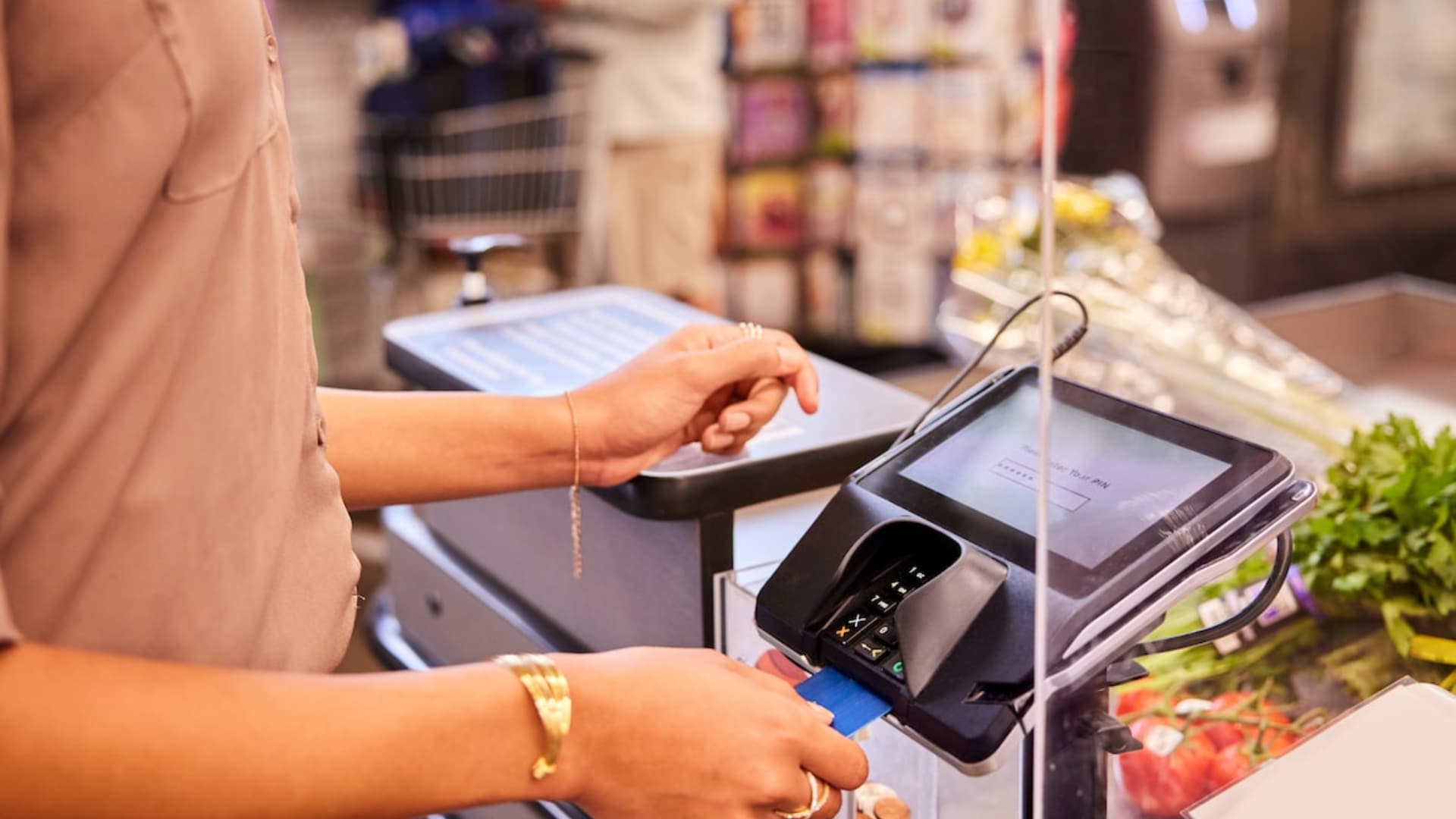
For restaurants, eateries, and food service businesses, electronic invoices are not only documents recording revenue but must also accurately reflect the goods and services sold. From July 1, 2026, invoicing will be carried out according to Decree 254/2026/ND-CP and Circular 91/2026/TT-BTC; in which, food and beverage items must be detailed by type, except in cases where the price is calculated per serving or portion.
Therefore, the method of invoicing depends on the actual service provided. Individual food and beverage orders need to show each item; buffets or set menus can be listed by the actual serving, portion, or package; beer, wine, and goods with different tax rates must be separated into different lines to apply the correct tax. If issued to a business, the invoice must include complete buyer information for accounting and tax settlement purposes.
- Sellers must issue and provide invoices when selling goods or providing services; they should not wait until the customer requests one to record the transaction.
- The order form must show the names of the food and drinks as actually ordered; if the bill is calculated per serving or portion, it should be indicated by the corresponding serving or portion name.
- Business customers must provide the correct name, address, and tax identification number; invoices marked "Sold to Consumers" cannot be used as accounting documents for business expenses.
- A POS bill is only considered an invoice when it fully meets the requirements of an electronic invoice generated from a cash register and contains data that the buyer can look up.
- In 2026, food and beverage services are eligible for VAT under regulation 8%; beer, wine, and goods subject to excise tax are not eligible for tax reduction.
Regulations on electronic invoices for food and beverage services will be effective from July 1, 2026.
Decree 254/2026/ND-CP takes effect from July 1, 2026, and is the current legal basis for electronic invoices and electronic documents. According to the invoicing principles, when selling goods or providing services, the seller must issue an electronic invoice to the buyer, except in cases where the use of an invoice is not required as stipulated separately.
For direct sales to consumers, the food and beverage, restaurant, and hotel sectors are subject to the use of electronic invoices generated from cash registers. However, economic organizations, business households, or individual businesses that have already registered to use appropriate electronic invoices under other categories of the Decree are not required to re-register for cash register invoices.
| Operating model | Requirements to be defined | Application guidelines |
|---|---|---|
| Restaurants and eateries that sell directly to consumers. | Transactions occur at the counter, at the table, at the point of sale, or through the POS system. | Belongs to the group using electronic invoices from cash registers according to Decree 254/2026/ND-CP |
| Businesses have registered for electronic invoices with or without appropriate codes. | Verify that the invoice format has been accepted by the tax authorities. | It is not required to re-register invoices from the cash register by default. |
| Household businesses and individual businesses with annual revenue exceeding 1 billion VND. | Auditing revenue and tax management methods. | Electronic invoices with codes or electronic invoices from cash registers with data connectivity must be used. |
| The restaurant chain has multiple locations. | Check the billing system, data for each store, and the unit named on the invoice. | There is a need to standardize the synchronization of sales data, invoice issuance, and data transmission. |
From July 1st, 2026, internal articles and procedures must be updated in accordance with Decree 254/2026/ND-CP and Circular 91/2026/TT-BTC, instead of continuing to refer to Decree 123/2020/ND-CP or Decree 70/2025/ND-CP as currently applied.
What information should a valid meal receipt include?
A valid electronic invoice for food and beverage services must contain complete information identifying the seller, the buyer, the goods or services provided, the transaction value, the tax rate, the tax amount, and the date the invoice was issued. For invoices from a cash register, the data must allow the buyer to access and declare the invoice information.
| Information Group | Content to be displayed | Common risks |
|---|---|---|
| Billing information | Invoice type name, form number symbol, invoice symbol and number. | Using the wrong type of invoice or failing to link to the original data. |
| Seller | Name, address, and tax identification number of the restaurant or business entity. | The point of sale is using incorrect legal entity or branch information. |
| Buyer | Name, address, tax identification number, or consumer information as applicable. | Entering the wrong tax identification number, missing company information, or writing the name as "consumer" when the customer requires a business invoice. |
| Name of goods and services | Names of dishes, drinks, buffet options, set menus, individual meals, and additional services. | The descriptions are vague, such as "food and beverage services" or "entertainment," and do not reflect the actual transactions. |
| Quantity and value | Unit of measurement, quantity, unit price, total amount, discounts, and surcharges, if any. | The invoice does not match the POS bill, the catering contract, or the payment amount. |
| VAT | Price before tax, tax rate, tax amount at each level, and total payment. | Combine food items (8%) with beer and wine (10%) under the same tax rate. |
| Time of establishment | The invoice date and time are based on the completion of the service or the payment date as stipulated. | Invoice issuance was delayed simply because the customer provided the following information. |
| Lookup data | Tax authority code or electronic data for buyers to retrieve invoices. | Only paper bills, photos, or printouts without lookup data will be provided. |
Buyer information when issuing invoices to companies.
If the buyer is a business, household business, or organization with a tax identification number, the name, address, and tax identification number on the invoice must match the registered information. Restaurant accountants should have the customer confirm the tax identification number before issuing the invoice, especially for large-value orders for banquets, conferences, or business meetings.
- If the buyer is an individual and does not provide their name, address, or personal identification number, the invoice will show "Sold to consumer".
- Invoices without buyer information or invoices issued to consumers are invalid for use by businesses, organizations, or household businesses for expense accounting or tax settlement purposes.
- Therefore, when a customer requests an invoice for a company, it should not be issued in advance as a consumer invoice and then only modified as a PDF or bill later.
Businesses receiving invoices can refer to the following guidelines for further information. How to check if an electronic invoice is valid before accounting and payment.
Do electronic invoices for food and beverage services need to list each item individually?
Yes, if the restaurant sells individual food or drink items. Decree 254/2026/ND-CP requires that goods with multiple varieties must be listed in detail for each variety, directly specifying the food or drink item; the exception is when the price is calculated per serving or per portion.
This means the way the items are recorded must reflect the actual products sold. If the customer orders each item individually, the invoice should list each item separately. If the customer purchases a buffet, a set meal, a portion, or a set menu with a separate price, the invoice can be filled out by the name of that item, portion, or set, along with the quantity and unit price.
| Situation | Appropriate recording method | Recording methods to avoid |
|---|---|---|
| Customers order each dish individually. | Beef pho, seafood fried rice, stir-fried vegetables, bottled water, canned beer… each type of food is served separately. | “"Food service," "eating and drinking," or "entertaining guests"” |
| Lunch boxes, office lunches | Type A office lunch set; unit of measurement: serving or box | List the ingredients such as rice, meat, and vegetables if the product being sold is a single serving of rice. |
| MEAL | Adult lunch buffet, children's buffet; unit of measurement: serving | List all the items available at the buffet counter. |
| Set menu or combo | Set menu A, family combo for 4 people; units of measurement: set, portion, or combo | Automatically combine individual ordered items into a combo after the transaction is complete. |
| Table service or individual meal service | Set menu for parties A; unit of measurement: table or serving; contract code and party order code can be added. | Simply stating "catering services" without specifying quantity, unit price, or identifying information. |
| Private rooms, service charge, surcharges | Separate it into a distinct line item when it is actual revenue based on pricing policy or contract. | Including these costs in the item price makes it impossible to verify the bill, contract, or invoice. |
| Beer, wine, and other goods subject to tax rates | Separate each item or group with the same tax rate. | Combine all orders into one line and apply a single tax rate. |
A generic line like "food and beverage service" should not be used for a standard order. If the actual transaction is a single serving, portion, set menu, or party package priced separately, the invoice should state the exact name of the serving, portion, set, or package sold, rather than using a general description that is not sufficiently identifiable.
When is the best time to issue electronic invoices for food and beverage services?
The time of invoicing for the provision of services is the time when the service is completed, regardless of whether payment has been received or not. If the restaurant collects payment before or during the provision of services, the time of invoicing is the time of payment, except for any deposit required by the Civil Code to guarantee the performance of the service contract.
| Situation | Invoice time | Documents to be verified |
|---|---|---|
| Customers eat and pay immediately. | Upon completion of service and finalization of payment transaction. | POS bill, payment information, and order data. |
| The company orders the party and pays later. | Once the service is completed, there's no need to wait until the full payment date. | Contract, banquet order, completion confirmation, or acceptance report, if applicable. |
| Customers pay in advance for part or all of the service. | At the time of payment, if the payment is an advance payment for a service. | Receipts, bank statements, and payment terms in contracts. |
| Guests pay a deposit to reserve the date of the party. | No invoice will be issued by default if the amount is in the nature of a performance deposit. | Deposit agreement, terms for refund or cancellation of deposit, receipt |
| Orders placed through food delivery apps. | Upon completion of the transaction for the supply of goods and services according to the order data. | Platform data, restaurant bills, discounts, and related fees. |
Restaurants need to establish a process for collecting customer information before finalizing a transaction or completing a party. If a customer requests a company invoice after the consumer invoice has been generated, the business must handle it according to regulations regarding erroneous invoices and cannot manually correct the PDF version.
How to issue electronic invoices for food and beverage services according to the correct procedure.
The invoicing process should start from sales data instead of having staff re-enter all the food items after the customer pays. Synchronizing POS bills, buyer information, and tax rate configurations helps reduce errors in item names, missing quantities, or incorrect tax application.
- Step 1: Identify the type of invoice you are using.
Verify whether the establishment is using electronic invoices with codes, without codes, or electronic invoices from a cash register. For restaurant chains, identify the legal entity or branch named on the invoice at each point of sale.
- Step 2: Finalize order data
Compare the food and drink items, quantities, unit prices, surcharges, discounts, and total payment on the POS or sales management system.
- Step 3: Gather buyer information
If the customer requests a company invoice, check the name, address, tax identification number, and method of invoice delivery. If the customer is a consumer who does not provide this information, follow the regulations applicable to consumers.
- Step 4: Standardize product and service names
Record each item individually on the order form; record by serving, portion, buffet, set menu, or party package if it is a physical product being sold.
- Step 5: Attach the correct tax rate.
Classify food and beverage services, beer, wine, and related goods or services according to their respective tax rates. Do not group multiple tax rates under a single line.
- Step 6: Pre-release testing
Compare the total amount, tax amount, and buyer information between invoices, bills, contracts, and payment documents.
- Step 7: Issue and provide invoices
Send invoices or lookup data to the buyer, and simultaneously transmit data to the tax authorities according to the method and timeframe of the invoice type being used.
Issue invoices for meals for individual customers.
For individual customers dining at the restaurant, the bill is generated based on the actual transaction. If the customer does not provide personal information, the bill may show "Sold to Consumer" as per regulations. The restaurant must still ensure that the item names, quantities, unit prices, tax rates, total payment amount, and lookup data are accurate.
Issue invoices for company meals.
Cashiers should have customers verify business information before issuing documents. The proper procedure is to enter the tax identification number, check the name and address returned from the registration data, and then send a preview or readback of the information for the buyer to confirm.
- Correct company name and tax identification number.
- The address matches the tax registration information.
- The dish name, portion size, or service package matches the bill and the contract.
- Correct quantity, unit price, discounts, and surcharges.
- Separate goods that have different tax rates.
- Invoices should be issued at the time of completion or payment receipt.
- The email or channel for receiving invoices has been confirmed.
Issue invoices for buffet, set menu, and combo meals.
Buffet, set menu, or combo should be labeled according to the actual product sold if charged per serving or portion. For example: "Adult Dinner Buffet," "Children's Buffet," "Corporate Set Menu A," or "Family Combo for 4." The invoice must include the number of servings, portions, or sets and the corresponding unit price.
Issuing invoices for parties, conferences, and events.
For contracted catering services, invoices must reflect the actual pricing structure. If billing per table or per person, the name of the set menu or package, the number of tables or people, and the unit price can be included. Fees for private rooms, sound systems, decorations, service, or additional charges should be listed as separate items if they arise independently.
Orders with vouchers, discounts, or platform fees.
The party receiving the discount needs to be identified. Restaurant-sponsored vouchers are different from vouchers sponsored by apps or partners. The amount on the bill should not be based solely on the amount the restaurant actually received if the transaction also includes payments or sponsorships from a third party. POS data, platform reports, and promotional policies must be reconciled before billing.
What requirements must an electronic receipt from a restaurant's point-of-sale system meet?
An electronic invoice from a cash register is an invoice generated by a point-of-sale system, with data transmitted to the tax authorities in a standard format and containing an electronic code or data for the buyer to retrieve. The cash register can be a standalone device or a system comprising a POS system, sales software, and connected devices.
| Content | Request |
|---|---|
| Seller | Name, address, and tax identification number |
| Buyer | Name, address, tax identification number, personal identification number, or phone number if requested by the buyer. |
| Transaction | Name of goods/services, unit price, quantity, and payment amount. |
| VAT | Taxpayers using the deduction method must show the price before tax, the tax rate, the tax amount, and the total payment including tax. |
| Time | Invoice time |
| Lookup | Tax authority code or electronic data for buyers to access and declare. |
- Electronic invoices from cash registers are not required to have a digital signature.
- Sellers must publicly disclose how buyers can look up and receive the original invoice file.
- Invoice data from the cash register must be transferred to the tax authorities as required; it's not acceptable to simply print bills and keep them internally at the restaurant.
Is a POS bill the same as an electronic invoice?
A typical POS bill is just a receipt. A bill is only considered an electronic invoice from a cash register if the document is created within a regulated invoicing system, contains all the required information, has data connected to the tax authorities, and allows the buyer to retrieve the invoice.
Are food and beverage services subject to VAT rate 8% or 10%?
According to Decree 174/2025/ND-CP, goods and services currently subject to the 10% tax rate will be reduced to 8% from July 1, 2025 to December 31, 2026, except for excluded groups. Food and beverage services are eligible for the 8% rate during the policy's validity period.
Beer, wine, and other goods and services subject to excise tax are not eligible for VAT reduction, therefore the 10% rate is usually applied. If an invoice includes both food and beer/wine, each item must show the correct tax rate; there is no need to split it into multiple invoices just because there are different tax rates.
| Goods and services | Reference tax rate | How to write on an invoice |
|---|---|---|
| Food and beverage services that qualify for tax reductions. | 8% | List the name of the dish or portion separately, the price before tax, the tax rate (8%), and the tax amount. |
| Beer, wine | 10% | Separate each item or group with the same tax rate; do not combine them into the food and beverage service category 8%. |
| The order includes food and beer/wine. | Simultaneously 8% and 10% | Show the tax rate for each line item and the total tax amount for each rate. |
| Household businesses are taxed based on a percentage of their revenue. | Reduce the VAT tax rate for eligible goods and services by 20%. | Record the amount of the discount as stipulated in Decree 174/2025/ND-CP. |
The VAT rate 8% mentioned above is applicable until December 31, 2026, according to current policy. When issuing invoices after this date, accountants need to check for extension regulations or new documents before continuing to use the old tax configuration.
What is the difference between a bill, a statement, a receipt, and a dining invoice?
A restaurant transaction may simultaneously involve a POS bill, electronic invoice, receipt, bank transfer document, voucher, and order list. These documents serve different purposes and are not automatically interchangeable.
| Document | Purpose | Will electronic invoices be replaced? |
|---|---|---|
| Bill or receipt | List the items, quantities, prices, and the total amount the customer has to pay. | No, unless the document itself is an electronic receipt from a cash register that meets the eligibility criteria. |
| Electronic bill | Record transactions for the sale of goods and provision of services in accordance with the law on invoices. | This is an official invoice. |
| Menu | Support for internal reconciliation, contracts, or payment records. | Do not change the names of goods and services that are required to be included on the invoice. |
| Receipt | The unit has been noted to have collected the money in accordance with accounting procedures. | No; invoices do not automatically replace receipts. |
| Transfer documents | Proof of cash flow between buyer and seller. | No; this is the accompanying payment document. |
| Electronic meal vouchers or coupons | Confirm your right to use the service, promotional value, or payment method. | No; the obligation to issue invoices is determined when a sale or service transaction occurs. |
Therefore, for dishes that require detailed itemization, restaurants should show this directly on the bill instead of including it in a single line and then using a separate itemized list to replace the mandatory information.
Sample methods for recording restaurant and food invoices for different situations.
The examples below illustrate how to name goods, units of measurement, and tax rates. Businesses need to adjust according to their menu, pricing methods, invoice types, and actual tax policies.
| Case | Name of goods and services | Unit | Quantity | Reference tax rate |
|---|---|---|---|---|
| Order | rare beef pho | Bowl | 2 | 8% |
| Order | Canned beer | Can | 4 | 10% |
| MEAL | Adult dinner buffet | Portion | 10 | 8% |
| Set menu | Business Menu Set A | Set | 5 | 8% |
| Table service | Party Set Menu A | Table | 15 | 8% |
| Additional services | Private room usage fee | Time | 1 | Determined by the nature of the service |
- The invoice type and the entity named on the invoice are correct.
- Buyer information is confirmed before release.
- The name of the dish, serving size, set, or party package accurately reflects the transaction.
- Quantity, unit price, discounts, and surcharges match the POS data.
- Food and beverages, as well as beer and wine, are taxed separately at the appropriate rates.
- The invoice was issued at the correct time.
- The total amount on the invoice matches the bill, contract, and payment documents.
- The buyer has received a link, QR code, or original file for verification.
Handling incorrect food and beverage invoices according to Circular 91/2026/TT-BTC
From July 1st, 2026, electronic invoices with errors will be handled according to Article 10 of Circular 91/2026/TT-BTC. Do not delete data, modify PDF files, or automatically cancel invoices and reissue them. Depending on the type of error, the seller should notify the error, issue an adjusted invoice, or issue a replacement invoice.
| Type of error | The course of action to be considered | Things that need checking |
|---|---|---|
| Incorrect name, address, or content does not result in an incorrect tax identification number, amount, tax rate, tax amount, or goods/services. | It may fall under the category of reporting an error without having to reissue the invoice. | Comparing all conditions in Article 10 of Circular 91/2026/TT-BTC |
| Incorrect buyer's tax identification number | Issue adjustment or replacement invoices as applicable. | Verify the buyer's tax registration information. |
| Incorrect item name, quantity, unit price, or total amount. | Adjust or replace | Compare the POS bill, the contract, and the difference. |
| Incorrect tax rate or tax amount | Adjust or replace to correct tax data. | Check all product lines that share the same tax group. |
| Duplicate invoices | Process the erroneous invoice according to the established procedure; do not delete the data from the system. | Check the order code, invoice number, and submission status to the tax authorities. |
| The initial invoice processing was incorrect again. | Continue processing according to the principles and procedures already applied as prescribed. | Track the link between original, adjusted, and replacement invoices. |
For restaurants with a high volume of transactions, common errors often stem from re-entering POS data, selecting the wrong business customer, or configuring a single tax rate for the entire menu. An automated order data retrieval and pre-issuance verification process significantly reduces the number of invoices that need to be reprocessed.
Automate restaurant invoices from your point-of-sale system with Bizzi Invoice.
For restaurant chains, cafes, or multi-point-of-sale models, the risks lie not only in the simple process of issuing a single invoice but also in synchronizing thousands of transactions from the POS system, classifying tax rates, issuing invoices, and transmitting data to the tax authorities.
Bizzi Invoice It supports integration with point-of-sale systems to automate the flow of electronic invoice data at the point of sale. Food item data, quantities, unit prices, and tax rates can be transferred from sales transactions to invoices, reducing manual data entry and standardizing processes across stores.
| Process layer | Operational requirements | Value when integrated |
|---|---|---|
| point of sale | Record the correct item, quantity, price, and buyer. | Reduce repetitive data entry from bills to invoices. |
| Tax rate | Categorization of food, beer, wine, and additional services. | Apply the correct tax rate for each product line. |
| Release | Verify the data before sending it. | Minimize incorrect information and the need for invoice adjustments. |
| Tax authority | Transmit data in the correct format and within the specified timeframe. | Standardize connection flow according to regulations. |
| Client | Provide the link, lookup code, or original file. | Help customers receive invoices quickly at each point of sale. |
| Centralized accounting | Track invoices from multiple stores. | Centralized release status and data control |
Businesses can explore the possibilities of POS integration, issuing electronic invoices from cash registers, and centrally managing invoice data at Bizzi Invoice solutions page.
Frequently Asked Questions about Electronic Billing for Food and Beverage Services
How are food and beverage invoices issued?
The restaurant finalizes the order data, obtains buyer information, correctly records the dish or portion size, classifies the tax rate, verifies the total amount, and then issues an invoice according to the registered invoice type. The invoice must be issued at the correct time of service completion or payment collection as stipulated.
Do electronic invoices for food and beverage services need to specify the items being served?
Yes. Food and beverage items must be listed in detail by category, except when priced per serving or portion. Therefore, the order form lists each item; buffets, set meals, or set menus can be listed by the actual serving, portion, or set name sold.
Is it permissible to include "food and beverage service" on the invoice?
A generic line like "food and beverage service" should not be included on a regular order. If the actual product is a serving, portion, set, or party package, the exact product name, quantity, and price should be stated.
What information is needed to issue a meal invoice for a company?
The business name, address, tax identification number, and invoice receiving channel are required. This information must match the tax registration. Invoices marked "Sold to Consumers" are not used by businesses for accounting expenses or tax settlement.
Do buffet bills need to list each item individually?
No. If the restaurant charges per buffet serving, the bill can list the buffet package name, the number of servings, and the unit price. It doesn't need to list all the dishes at the counter.
Do meal bills need to include a list of items?
Electronic invoices are not limited in the number of lines. The itemized list can be used for internal reconciliation but does not replace the mandatory itemized names of goods and services that must be shown on the invoice.
Are restaurant bills considered electronic invoices?
A regular bill is not an invoice. A bill is only an electronic invoice generated by a cash register when it is created in a system that meets regulations, contains sufficient information and data connected to the tax authorities, and allows the buyer to look it up.
Are food and beverage services subject to VAT under tax code 8% or 10%?
Food and beverage services are eligible for the 8% tariff until December 31, 2026. Beer, wine, and goods subject to excise tax are not eligible for the tax reduction, so the 10% tariff is generally applied.
Should the food (8%) and the beer (10%) be split into two separate bills?
Not mandatory. It is possible to list items on the same invoice, but each item must be listed separately, with the correct tax rate and total tax amount for each rate.
Can a meal receipt replace a payment slip or bank transfer receipt?
No. Invoices record sales transactions and service provision; receipts and transfer documents prove the collection, disbursement, or payment of funds. Businesses need to retain each document according to its respective purpose.
Can electronic meal vouchers or coupons replace receipts?
No. Vouchers or meal vouchers confirm the right to use a service or the payment value. Once the service is provided, the seller still has the obligation to invoice based on the actual transaction.
Is it possible to purchase meal receipts even when no transactions have occurred?
No. Invoices must reflect actual transactions. Buying, selling, or using invoices for transactions that do not occur creates serious tax, accounting, and invoicing risks.
Legal basis and references
- Decree 254/2026/ND-CP Regulations on electronic invoices and electronic documents will take effect from July 1, 2026.
- Circular 91/2026/TT-BTC Guidance on the Law on Tax Administration and Decree 254/2026/ND-CP.
- Decree 174/2025/ND-CP The policy stipulates a reduction in VAT until December 31, 2026.
- What is an electronic invoice? and professional guidance content on Bizzi.vn.
This article provides general guidance. For transactions involving multiple payers, platform-sponsored vouchers, complex event contracts, or goods with specific tax policies, businesses need to compare actual records with the relevant legal documents at the time of invoicing.
Conclude
To issue electronic invoices for food and beverage services in accordance with regulations, restaurants need to simultaneously control four factors: the correct invoice type, the correct time, the correct content of goods and services, and the correct tax rate. Order forms must show each item; transactions are billed per serving or portion, recorded according to the actual serving or portion; invoices for companies must contain complete buyer information; and POS bills are only valid invoices when they meet the requirements of electronic invoices from the cash register.
For businesses with multiple outlets, manual processes can easily lead to errors in item names, customer information, and tax rates. Connecting POS data with the invoicing system standardizes the creation, issuance, transmission, and delivery of invoices to customers across the entire chain.