



A corporate financial plan is considered a "financial map" that helps businesses determine where they are, where they want to go, and how much resources they need to achieve those goals. Each corporate financial plan is a tool that helps businesses translate strategic goals into concrete numbers, thereby monitoring, controlling, and optimizing the efficient use of resources.
This article by Bizzi will provide a detailed analysis of the nature and characteristics of a corporate financial plan template, how to create each item, industry-specific standards, and guidance on optimizing the template from Excel to modern digital systems.
What is a business financial plan? Why do businesses need a standard form?
A business financial planning template is a structured set of tables and charts that helps businesses quantify financial goals and track their implementation. A complete template includes:
- Revenue forecast: from products, services or sales channels.
- Cost estimate: fixed costs, variable costs, operating costs, marketing, personnel, etc.
- Estimate Cash Flow: see if the business has enough money to operate and invest.
- Profit and investment plan: determine expected profits, reinvestment plans or dividends.
- Risk scenarios and response plans: such as changes in exchange rates, raw material prices, reduced market demand, etc.
In other words, Financial planning helps businesses translate strategic goals into concrete numbers., for easy measurement and control.
Why do businesses need a standard form for financial planning?
A standard business financial plan template helps businesses. systematize and standardize Financial data ensures that planning is not influenced by emotion or inconsistency. There are four core reasons:
- Ensure consistency and comparability: Each department (sales, marketing, production, finance, etc.) uses the same template. Data can be easily aggregated without having to "patch" it from multiple different Excel files, helping management compare data across periods, departments, or projects.
- Save time and reduce errors: With pre-defined formula structures and formats, employees only need to enter the data. This reduces the risk of errors from copy-pasting or manual calculations.
- Easy to integrate and automate: Standard forms are the foundation for integration with ERP or EPM (Enterprise Performance Management) system, helps automatically synthesize, analyze and make quick decisions.
- Improve the quality of forecasts and decisions: When the input data is accurate and consistent, indicators such as ROI, ROA, EBITDA, cash flow forecast It becomes more reliable, giving the management team an immediate and comprehensive view of the company's financial health.
The objectives of financial planning in a business.
Financial planning is not just about forecasting costs or profits; it's the foundation for effective business management, accurate decision-making, and sustainable growth. With a clear business financial plan template, the following three core objectives can be achieved:
Data-driven Decision Making
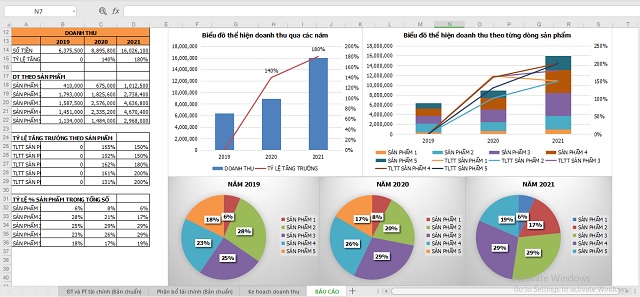
When all revenue, expenses, budgets, and profits are quantified, management can make decisions based on factual data, rather than emotion. For example, choosing which products to invest in, which marketing channels to expand spending on, or when to cut operating costs. Thanks to financial planning, businesses can easily simulate various business scenarios (scenario planning) and assess the impact of each decision on financial results.
With Bizzi, spending and cash flow data are updated automatically, allowing managers to see the real-time “financial picture.”
Reduce the risk of underfunding or overspending
A sound financial plan helps businesses clearly identify short-term and long-term capital needs, enabling proactive borrowing, fundraising, and resource allocation. Simultaneously, cost forecasting and monitoring prevent overspending, cash flow shortages, or insolvency. This is crucial for fast-growing businesses or those with multiple parallel projects.
Bizzi allows businesses to set budget limits for each department or project, and automatically alerts when there are signs of exceeding spending thresholds.
Is the basis for setting KPIs and operating plans
Financial planning is the foundation for Convert strategic goals into specific indicators (KPIs) For each department: revenue, profit margin, marketing costs, production costs, etc. From there, businesses can measure performance, detect deviations early, and adjust plans in a timely manner. This also forms the basis for coordination between departments—finance, sales, marketing, operations—within a shared budget.
How to create a business financial plan template
A financial plan template is a tool that helps businesses systematically plan, monitor, and evaluate their financial performance. A complete template includes five main tables, corresponding to the core financial activities: Revenue — Expenses — Profit — Cash Flow — Investment (CAPEX).
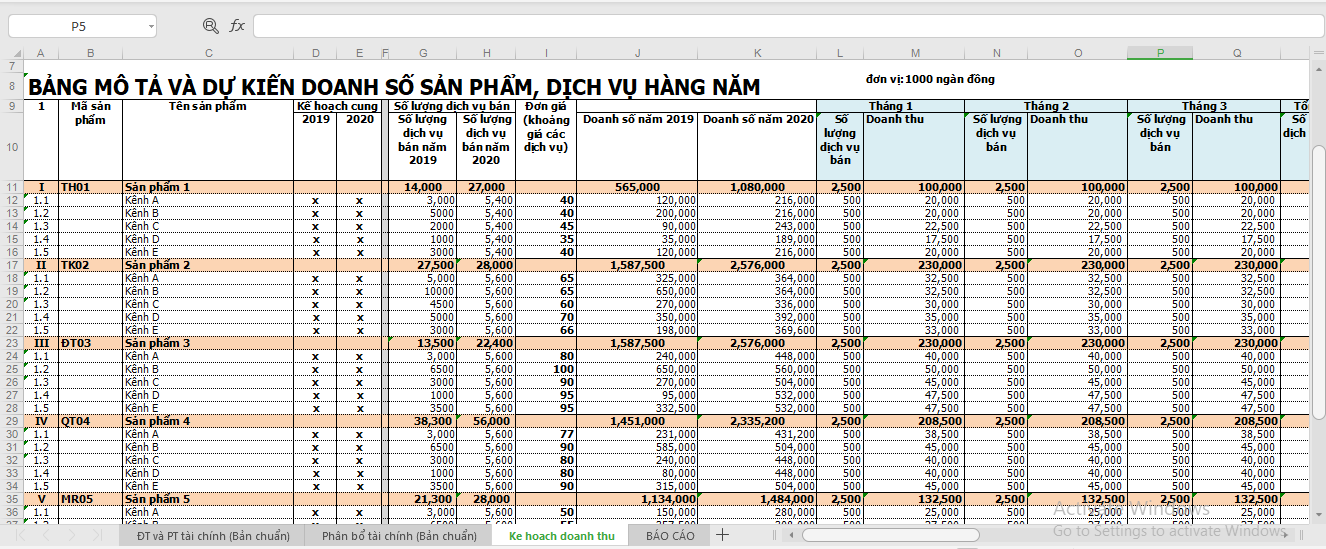
Table 1: Revenue forecast by product and region
This is the opening and most important part of a financial plan, aiming to accurately estimate revenue for the period to serve as a basis for planning expenses and cash flow. Businesses need to forecast revenue by product, service, customer group, or geographic area, based on three main data sources: past sales data; market trends and marketing plans; and seasonality or new product launch campaigns.
The revenue forecast structure should include: product/service code, sales channel, projected quantity, unit price, monthly/quarterly revenue, and year-on-year growth rate. Separating revenue by region or branch helps management identify key revenue sources and areas needing further development.
Table 2: Operating, personnel and marketing cost plan
The cost section shown total operating budget which the business anticipates spending during the period. There are three groups of expenses that need to be clearly separated in the form:
- Operating Expenses (OPEX): offices, logistics, maintenance, utilities, etc.
- Personnel costsSalary, bonuses, benefits, training, etc.
- Marketing and sales costs: advertising, promotions, events, commissions, etc.
Each cost line should be linked to the department or project responsible, and a parallel comparison between planned and actual costs should be made each month. Detailed cost planning helps businesses control their cost-to-revenue ratio and avoid exceeding budgets or misprioritizing allocations.
On Bizzi Expense, each expense is tied to a department/project budget and automatically alerts when there are signs of overspending.
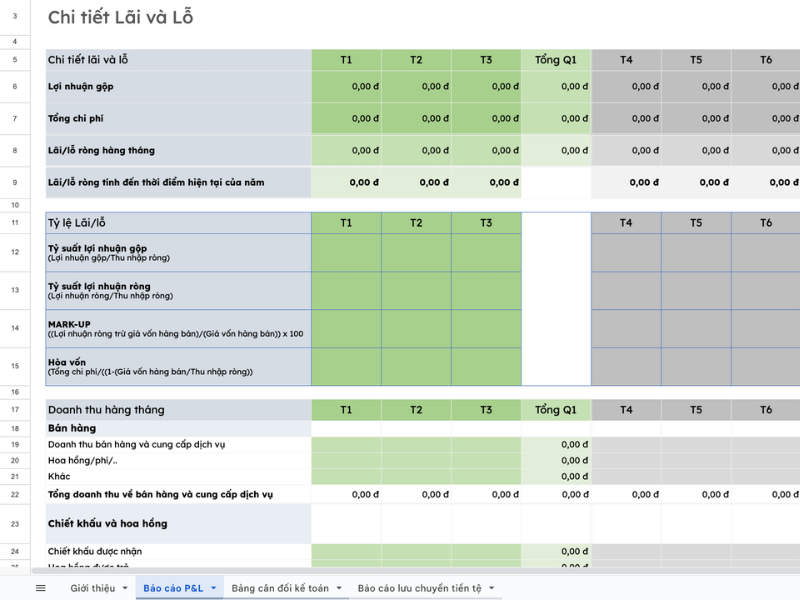
Table 3: Gross Profit and Net Profit Targets
This is a core business performance indicator, reflecting the company's ability to create value. Setting clear profit targets makes it easier for businesses to link them to KPIs and reward plans for each department. Based on revenue and expense data, the form will calculate two main indicators:
- Gross ProfitRevenue minus Cost of Goods Sold (COGS).
- Net ProfitAfter deducting all operating, financial, and tax expenses.
Additionally, the profit statement should show the gross profit margin (Gross Margin %) and net profit margin (Net Margin %) for each month, helping management monitor performance trends and detect early signs of margin contraction.
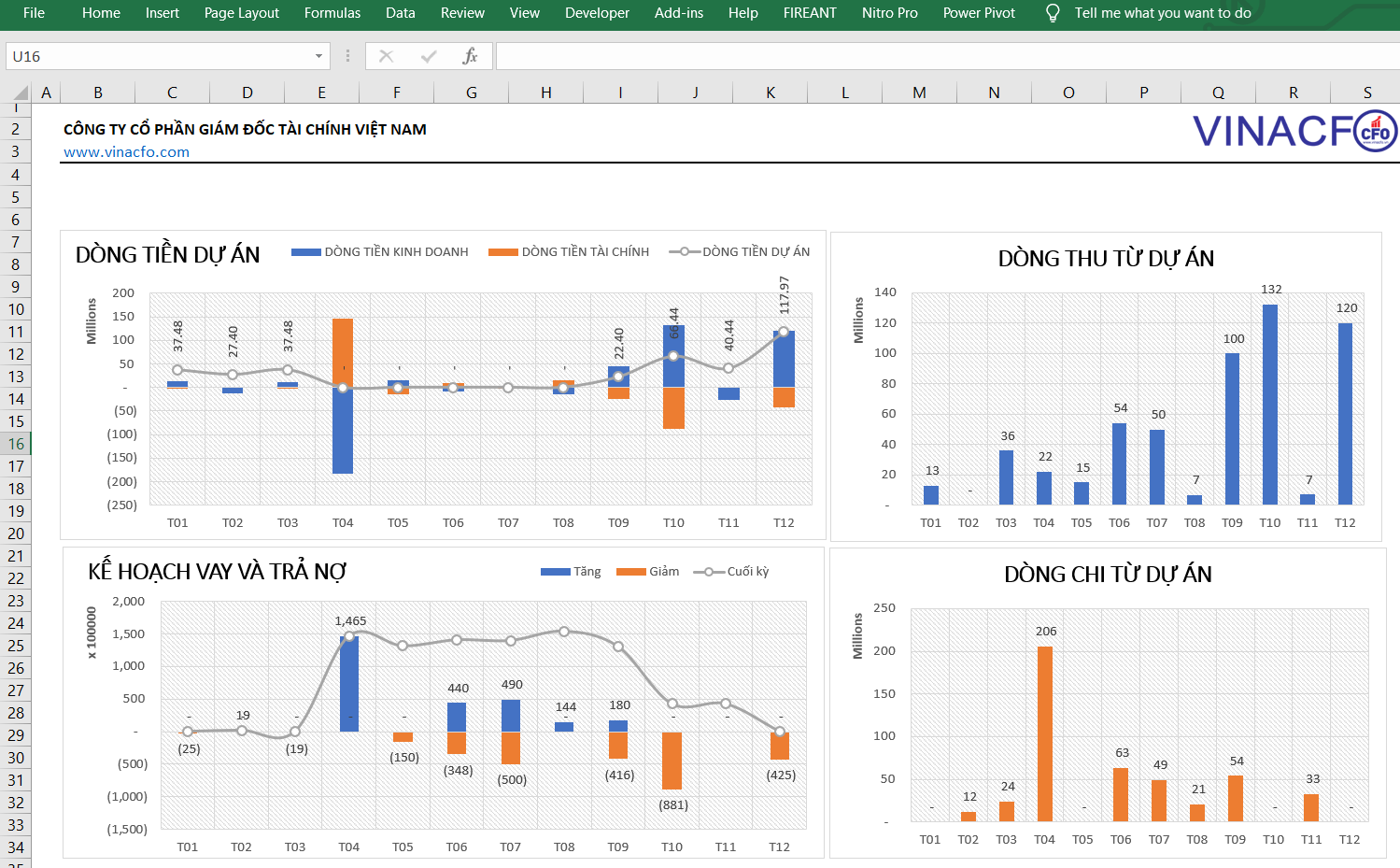
Table 4: Cash Flow Forecast — Recurring Inflows, Outflows, and Net Cash Flow
The cash flow section helps ensure that businesses maintain solvency and working capital reserves. Cash flow analysis helps detect early risks of capital shortages, especially during peak production periods or periods of large marketing expenditures. The structure of a cash flow statement includes three main streams:
- Cash Inflow: from cash revenue, tax refunds, and investment capital.
- Cash Out: operating expenses, debt repayment, asset acquisition, dividends.
- Net Cash Flow: The difference between revenue and expenses on a monthly or quarterly basis, reflecting actual liquidity.
An important note: cash flow and profit are two different indicators. A business may have profits on paper but still be short of cash if accounts receivable are slow to collect or CAPEX expenses are high during the period. Therefore, cash flow forecasts must be prepared in parallel with profit statements.
Table 5: CAPEX Investment Plan — Procurement and Production Expansion
CAPEX (Capital Expenditure) is the recorded part long-term investmentsThis includes purchasing machinery, equipment, and technology; upgrading infrastructure; and opening new branches. CAPEX planning helps businesses assess their return on investment (ROI) and cash flow, avoiding overspending during expansion. At the same time, CAPEX planning provides a basis for depreciation planning, directly impacting future net profit.
In short, one standard financial planning form not just a table of numbers, but comprehensive management toolkit It helps businesses accurately forecast revenue, costs, and profits; effectively control budgets and cash flow; and create transparent strategic investment plans.
Financial planning templates by industry and business size
There is no single "standard" financial plan template for all businesses. Each industry and size of operation will have different characteristics in terms of managing expenses, cash flow, and investments. Therefore, customizing the financial plan template is key to helping businesses control spending and maintain healthy cash flow.
- Download free business financial planning templates in excel here
Manufacturing
Features: The production-inventory-sales cycle is continuous, requiring a balance between production capacity and market demand.
The form should focus on three main categories:
- PSI (Production — Sales — Inventory): managing production plans, sales forecasts, and optimal inventory levels.
- Material and labor costs: Monitor loss rates and fluctuations in input prices.
- CAPEX planInvesting in machinery and production lines, with ROI analysis and payback period.
Manufacturing businesses need to pay special attention to the Cost of Goods Sold (COGS) index and gross profit margin for each SKU, as this is the foundation for adjusting selling prices and optimizing the product portfolio.
Retail Industry
Features: With multiple sales points and continuous cash flow, it's necessary to monitor revenue and expenses for each store.
A retail business financial plan template should include:
- Revenue by branch and sales channelStores, online, dealerships — separate them to identify the most effective channel.
- Operating costs per sales pointRenting space, hiring staff, displaying products, promotions.
- Branch profit reportIdentify efficient branches and areas that need optimization or should be considered for closure.
Same-Store Sales Growth (Same-Store Sales Growth compared to the same period) is a key KPI that needs to be integrated into the framework to evaluate organic growth performance, separate from growth resulting from the addition of new stores.
Startup
Features: With limited capital, priority is given to managing operating costs and the "runway"—that is, the number of months a business can continue operating with the available funds.
A startup financial plan template focuses on three core metrics:
- Operating Expense Plan (OPEX)Human resources, marketing, technology — classification of fixed costs and variable costs.
- Runway and Burn Rate: Track the monthly "burning rate" and the number of months to maintain the capital before needing to raise more funds.
- Investment budget and fundraising: Determine the Break-Even Point and the funding requirements for the next round.
Startups should prioritize a 13-week cash flow forecast instead of just tracking monthly cash flow, as this tool helps detect liquidity risks early and make timely adjustments.
Small and Medium Enterprises (SME)
Features: Need form flexible, easy to update and easy to understandThis approach doesn't require a large accounting team but still ensures effective financial control.
An SME financial plan needs three essential components:
- Simple aggregate budgetRevenue — expenses — profit, updated monthly.
- Track actual spending against planned spending.: Comparison table of Actual vs Budget by category.
- Short-term cash flow reportThis helps business owners control liquidity and avoid being caught off guard by large expenses.
Groups and Multi-Company Enterprises (Group / Corporation)
Features: Having multiple subsidiaries or business units requires consolidating financial data and overall budgeting plans from various sources.
A corporate financial plan template needs to meet three requirements:
- Financial plan for each subsidiary company: with a standardized form structure for easy aggregation.
- Consolidated Planning (Group-wide Plan): Intercompany elimination to avoid double counting of revenue and expenses.
- Tracking centralized and internal cash flow (Intercompany): managing internal loans, allocating shared expenses among units.

In summary, each industry and business size requires a different financial plan template, but the common goals are: tight cost control; maintaining stable cash flow; and making decisions based on factual data.
How to manage and track financial plan forms effectively.
Creating a new financial plan template is only the first step. Managing and monitoring the plan's implementation throughout the fiscal year is what truly determines its effectiveness. There are four principles for effectively managing financial plan templates:
Establish a regular review cycle.
A financial plan is not a "one-time" document. Businesses need to establish a schedule for regular reviews at three levels: weekly reviews of cash flow and operating expenses; monthly reviews to compare actual vs. budget and update forecasts; and quarterly reviews for a comprehensive assessment and adjustment of the business scenario if necessary.
Comparison of Actual vs. Budget — Variance Analysis
During each review period, the FP&A team needs to perform variance analysis (difference between actual and planned figures) for each budget line. Effective variance analysis should answer three questions: what is the difference and in which direction (favorable or unfavorable); what is the cause of the difference (price, volume, mix, or timing); and what adjustments or actions does the business need to take to address it?
Update your rolling forecast instead of just tracking static plans.
Rolling forecasts are a method of continuously updating forecasts—for example, always maintaining a forecast for the next 12 months instead of just tracking the remaining months of the current fiscal year. This method helps businesses have a stable financial outlook, avoid being affected by "year-end results only," and react more quickly to market changes.
Form permissions and version control
One of the most common risks when managing financial plans using Excel is version control—multiple people editing the same file, making it unclear which version is the latest. Businesses need to establish clear permission processes: who can enter data, who can approve it, and which version is the official one. Expense management systems like Bizzi Expense support automated approval flows and save edit history, helping to ensure transparency and data control.
Automating business financial planning forms — From Excel to digital systems
For most businesses, Excel is the starting point for all financial planning. However, as the scale grows, the amount of data increases, and the need for faster forecasting becomes more pressing, Excel becomes overloaded, unmanageable, and difficult to consolidate.
Excel Phase — Flexible but prone to errors
Excel is suitable for small or early stage businessHowever, as the scale increased and Excel acquired its own FP&A team, its limitations became increasingly apparent.
- Advantage: Easy to use and familiar to all finance staff; flexible in building forms, formulas, and forecasting scenarios.
- Limit: Data is scattered—each department has its own file, making aggregation difficult; errors are high due to formula errors, data entry errors, or data overwriting; there is a lack of ability to track edit history and versions; and it takes a lot of time to aggregate and check data before each budget period.
When should businesses switch to a digital financial management system?
Businesses should consider this transformation when they need rapid and multi-scenario forecasting; consolidation of plans from multiple units or subsidiaries; automation of budgeting and forecasting processes; and ensuring transparency, version control, and traceable approval history.
EPM data transparency not only replace Excel, but Standardize the entire financial planning process, helping CFOs and FP&A teams focus on analysis and strategic decision-making instead of manual data processing.
For businesses with annual revenue exceeding 200 billion VND or those already having an FP&A department, implementing an EPM system helps standardize financial planning processes; accelerate forecasting and decision-making; and reduce errors, enhancing financial data transparency across the organization.
Benefits of standardizing corporate financial planning forms
Standardizing financial planning templates helps businesses control costs, make accurate forecasts, and make faster decisions based on reliable data. There are four key benefits:
- Reduce budgeting time: A standardized process eliminates repetitive tasks and manual aggregation.
- Reduce manual errors: Data is entered once and used consistently across departments.
- Increase data transparency: It is easy to check, compare, and contrast between planning periods.
- Supporting strategic decision-making: Providing consistent financial information to support forecasting and scenario planning in a professional manner.
Frequently Asked Questions About the Business Financial Plan Form
Where can I download a business financial plan template?
You can download free business financial plan templates in Excel.This includes 18 Excel financial management file templates, updated to 2025.
How does a financial plan form differ from a financial statement?
A financial plan template is used to forecast and plan for the future (projected revenue, expenses, and cash flow). Financial statements reflect the results achieved during the period (actual revenue, realized profit). These two tools complement each other to help businesses both review the past to learn from experience and predict the future to develop action plans.
What time periods should a financial plan be created for?
Businesses should develop financial plans using three timeframes: an annual budget, prepared before each fiscal year, to serve as the basis for budget allocation; quarterly forecasts, updated based on actual results to adjust projections; and weekly or monthly cash flow forecasts to manage short-term liquidity. This combination of three timeframes allows businesses to have both a long-term perspective and the flexibility to respond to short-term fluctuations.
When should businesses use EPM instead of Excel?
Businesses should consider switching to EPM when they need to consolidate data across multiple departments or subsidiaries, create complex financial forecasts with multiple scenarios (what-if), or ensure version control and approvals with audit trails. Typically, businesses with annual revenue exceeding VND 200 billion and already having their own FP&A team will benefit most significantly from implementing an EPM system.
Optimize your business financial plan with Bizzi
In a business environment where faster, more transparent, and more accurate decision-making is needed, Bizzi offers a comprehensive financial automation solution that helps businesses effectively control budgets and expenditures — leading to transparent financial management and sustainable growth.
The system enables businesses to proactively create and control financial plans, standardizing plan and budget templates for easier tracking and comparison; increasing transparency and cost control by department, project, or branch; and alerting to budget overrun risks, optimizing cash flow and capital utilization efficiency.
Conclude
A standard corporate financial plan template not only helps businesses "record the numbers," but also provides a professional financial management mindset, enabling businesses to be proactive, transparent, and achieve sustainable growth.
Excel is a suitable planning tool for the early stages. As businesses grow, transitioning to a digitized financial management system is not just a tool upgrade, but a step forward in strategic financial management capabilities—giving CFOs and FP&A more time for analysis and decision-making, rather than manual data processing.