


Cashless payment methods are an inevitable trend that helps businesses optimize working capital and improve operational efficiency. However, the emergence of Host-to-Host (H2H) solutions, corporate cards, and e-wallets has left many financial managers wondering when establishing a payment architecture. Choosing the optimal payment method requires the Chief Financial Officer (CFO) to consider many factors simultaneously: transaction specifics, approval processes, internal control mechanisms, ERP integration capabilities, and the level of automation in reconciliation. A financial system is only truly self-contained when not only is the cash flow digitized, but the entire approval and reconciliation process is also automated and strictly compliant with legal regulations.
What are some cashless payment methods?
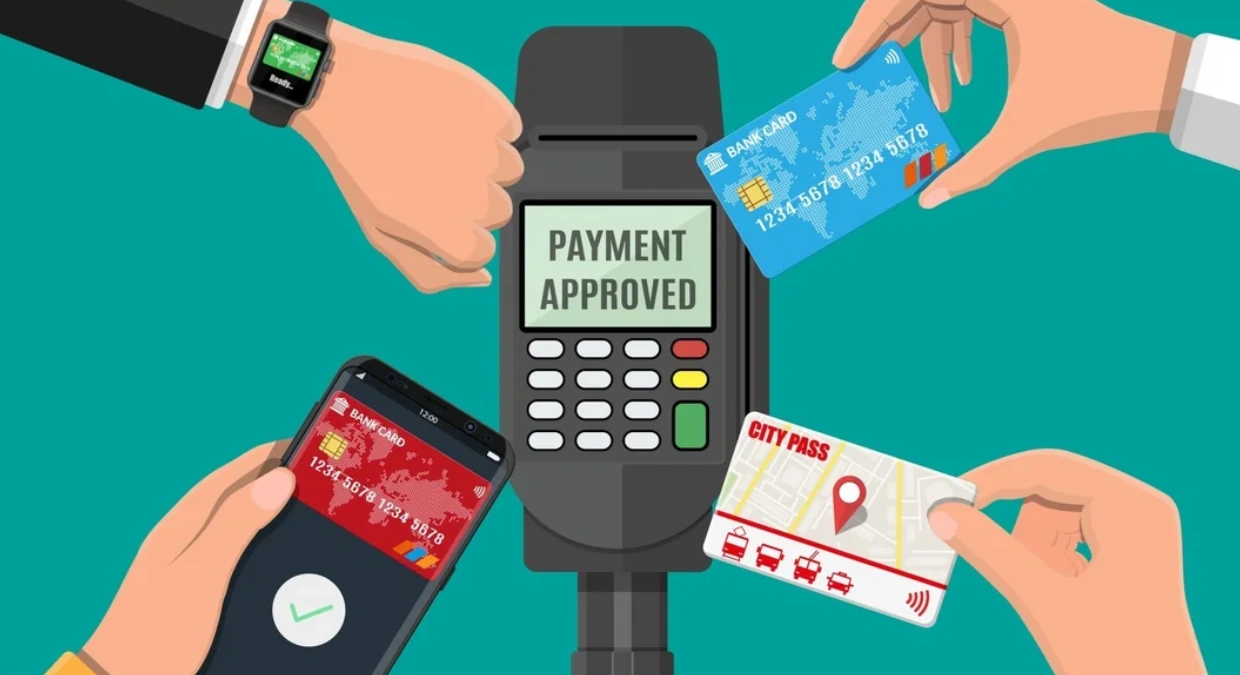
In the context of the digital economy, cashless payment activities in Vietnamese businesses are regulated by legal documents, notably Government Decree No. 52/2024/ND-CP on cashless payments. For the B2B sector, shifting payment methods is a strategic step to create a clean and transparent data system for internal control and financial reporting.
Currently, the three core payment methods that have the strongest impact on the Finance department's operational processes include:
- Host-to-Host (H2H) integration solution: This model creates a direct connection between the enterprise resource planning (ERP) system and the technology infrastructure of commercial banks. H2H automates large-volume payment runs, transmitting orders and receiving transaction feedback centrally.
- Corporate Card: This includes both physical and virtual cards, allowing businesses to grant flexible spending permissions linked to specific individuals, departments, or projects.
- Business e-wallet: Flexible mobile payment models, serving small transactions, and on-site QR code payments (such as VietQR) are based on a diverse ecosystem of payment acceptance points.
These methods differ fundamentally in purpose, target audience, and level of risk control. A payment rail system is merely a tool for cash flow management; it does not replace the process of expense approval and internal budget control. Businesses can refer to additional information on this topic. B2B payment methods to build a closed-loop operational flow.
How does H2H directly connect ERP systems and banks?
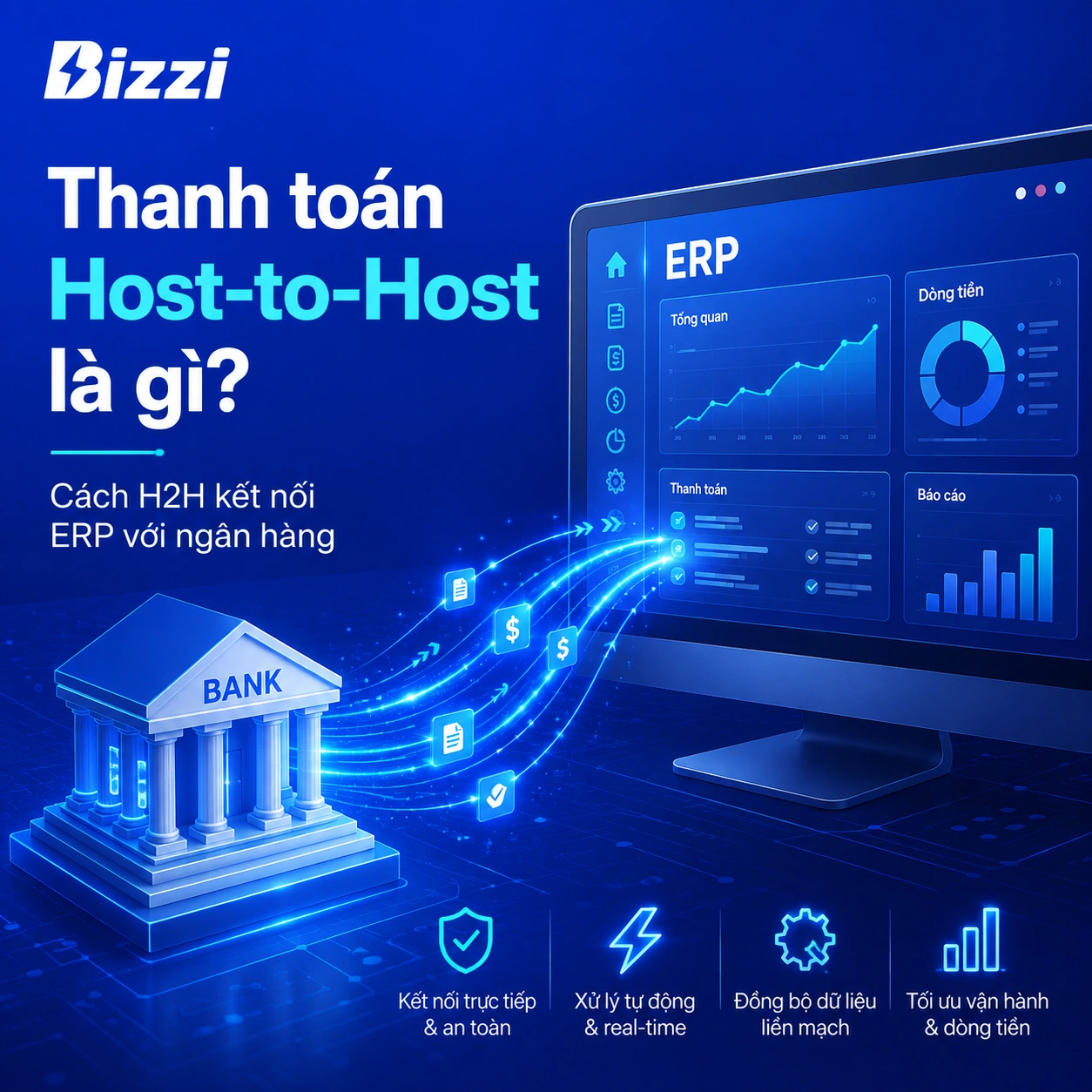
Host-to-Host (H2H) establishes a dedicated, secure, and direct two-way data transmission path between a business's server system (such as SAP, Oracle, Microsoft Dynamics 365) and the partner bank's core banking system.
Standardized H2H workflow:
ERP System → Payment Instruction → H2H Connection → Partner Bank → Transaction Processing → Status/Electronic Statement → ERP (Automated Reconciliation)
This process thoroughly addresses the risks associated with manual operations, such as incorrect beneficiary information entry and duplicate money transfer orders, while minimizing the time required for bank reconciliation by the Finance department.
How does Bizzi Payment connect H2H (Human-to-Human) processes in Finance?
In the Bizzi architecture, Bizzi Payment is positioned at the payment execution layer. This solution links the internal expense management system, ERP, and banking infrastructure.
- Record the invoice and approve it: Incoming invoices are collected, standardized, and passed through a multi-level approval process according to departmental limits.
- Direct command transmission via H2H: After approving the payment, the ERP system triggers an API call to Bizzi Payment. The system automatically generates a Payment Instruction and transmits it to the bank via the H2H channel.
- Update status and reconcile: The bank executes the transaction and sends the status back to Bizzi Payment to synchronize the ledger data with the ERP system for instant cash flow reconciliation.
How does H2H differ from Internet Banking?
| Criteria | Internet Banking (E-Banking) | Host-to-Host (H2H)
|
|---|---|---|
| Command source | Enter data manually or upload files to the portal. | Initialize and push directly from ERP/Finance System. |
| Data entry risk | Tall, making it easy for errors to occur during intermediate operations. | Eliminated through straight-through processing. |
| Processing capability | Suitable for small-scale, manual transactions. | Optimized for extremely high transaction volumes. |
| End-of-period reconciliation | Separately, statements often need to be downloaded and cross-referenced manually. | Synchronize state data in both directions for automatic matching (Auto-matching). |
What types of payments are H2H suitable for?
H2H delivers the greatest managerial value for centralized payment flows such as: recurring vendor payments (Recurring APs), mass payroll payments, or agent commission and discount payments. To learn more about coordinating purchasing and centralized payment information flows, businesses can refer to the following resources. purchasing and payment process.
How does a Corporate Card help businesses control their spending?
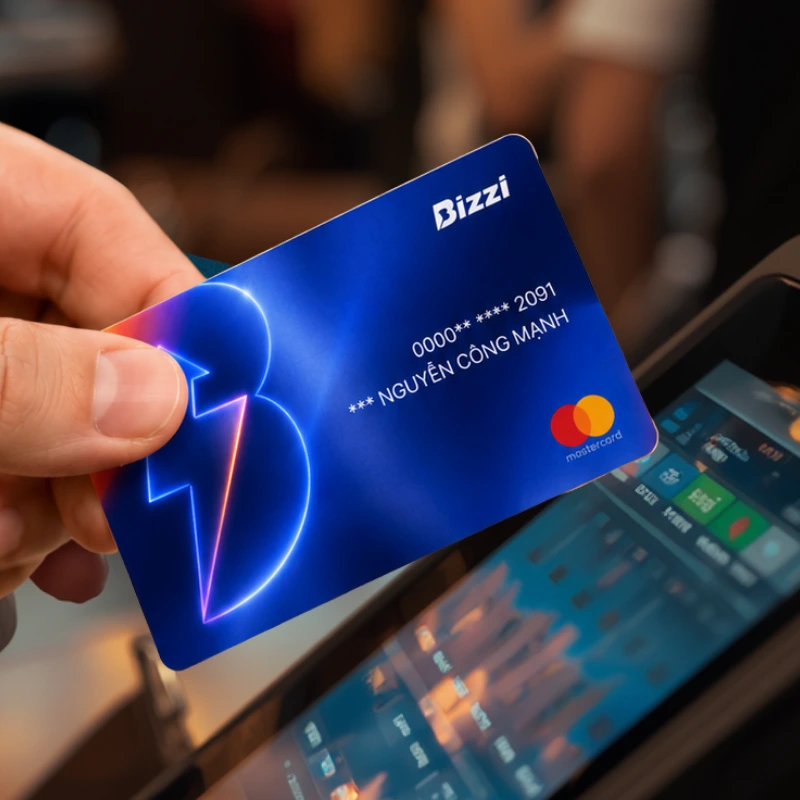
Corporate cards allow businesses to grant direct spending authorization (delegated spend) to employees or departments. To ensure strict pre-spend control, corporate cards incorporate mechanisms such as cardholder identification, dynamic limits, MCC block restrictions, and a closed-loop verification chain (Expense Evidence). Businesses can use physical cards or virtual business card depending on needs.
What types of expenses are covered by a physical business card?
Physical cards are perfect for offline use cases such as travel and expense accounts, entertainment expenses, in-store purchases of office supplies, or field operating costs. The drawbacks of physical cards are the risk of loss and the potential for card sharing, which compromises transparency.
How do virtual cards fit into SaaS and digital spending?
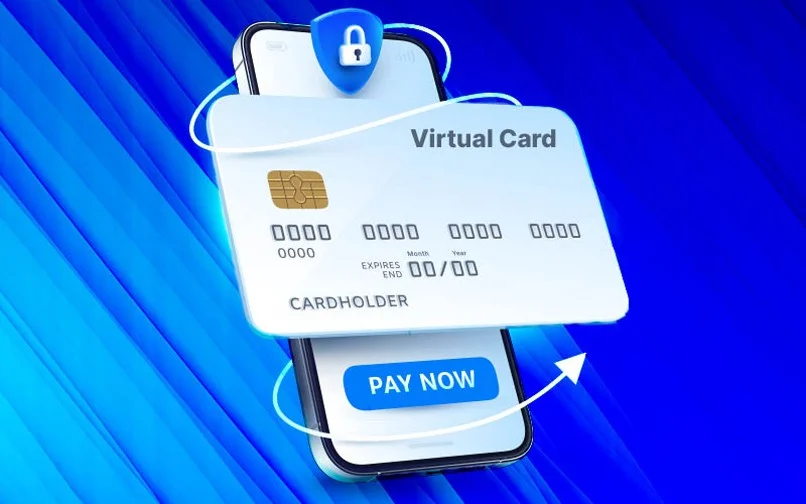
Virtual business cards effectively address the risks associated with digital spending. The Finance Department can create separate virtual cards for each software provider (SaaS, Cloud) or each digital advertising account (Facebook, Google Ads) with a fixed monthly spending limit. If a provider unilaterally charges more than the limit, the system will automatically block the payment, protecting the company's capital.
What types of business expenses are suitable for using e-wallets?
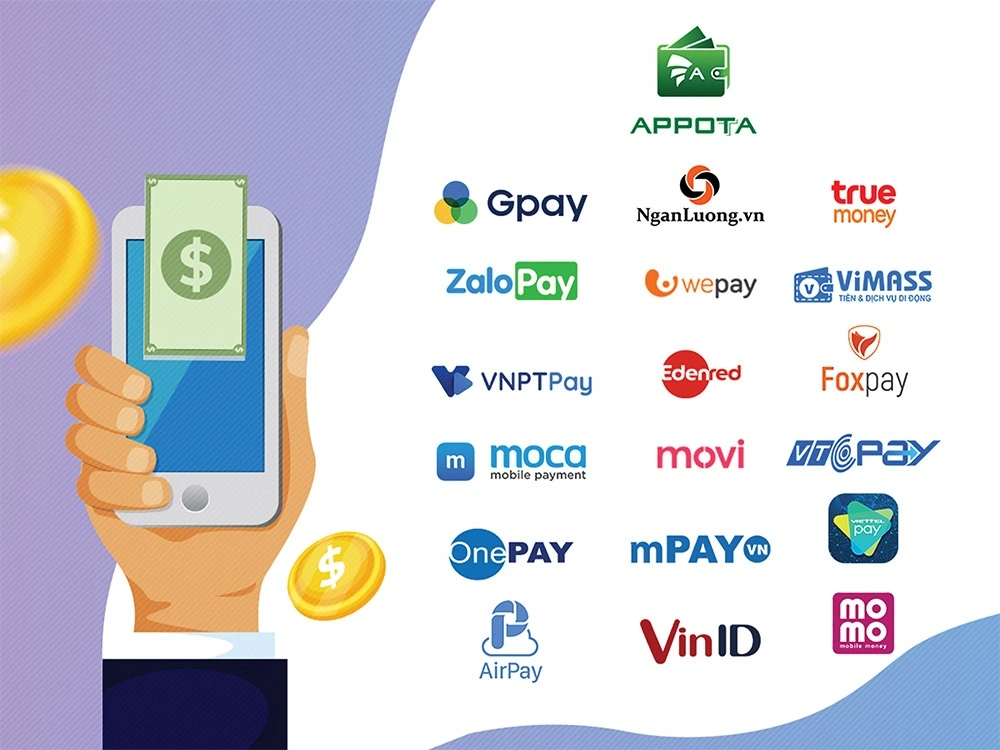
An e-wallet is a mobile digital payment solution that is topped up from a company's main account to carry out ad-hoc transactions such as express delivery fees, field supplies, or in-store payments via QR code. The application of e-wallets requires a rigorous reconciliation mechanism to ensure that all disbursed funds are user-identified and linked to valid documentation.
When should you use H2H, business cards, and e-wallets?
A standard payment architecture requires designing a rational payment mix based on the characteristics, volume, and risk control requirements of each expense. Below is a comparison table of the decision-making governance framework:
| Actual transaction type | H2H connection | Physical card | Virtual Card | e-wallet
|
|---|---|---|---|---|
| Recurring payments to suppliers | Top priority | Not suitable | Not suitable | Not suitable |
| Payment run/Bulk payroll | Top priority | Not suitable | Not suitable | Not suitable |
| Business trip expenses (offline/travel) | Not suitable | High compatibility | Medium | Medium to high |
| Renewing SaaS and Cloud software | Medium | Not suitable | Top priority | Not suitable |
| Small-scale, ad-hoc office spending | Not suitable | Medium | Medium | High compatibility |
| ERP reconciliation automation capabilities | Very high (direct) | Statement dependent | Very high (Real-time) | Low (Disjointed history) |
When should businesses combine multiple payment methods?
Businesses with complex cost structures need to flexibly adapt their payment methods: H2H for centralized payment flows (vendor payments), virtual cards for advertising campaigns and SaaS; physical cards for management travel; and e-wallets for ad-hoc expenses in the field. Fragmenting payment methods to suit specific transaction characteristics helps improve cash flow speed while maintaining control.
How do businesses control prepayments?
To prevent asset loss risks, businesses must establish preventive control mechanisms before disbursing funds through H2H or card swiping.
Standard control procedures:
- Initiate a spending request.
- Check your available budget (Budget Check).
- Approval Workflow.
- Grant actual spending permissions (Permission/Limit) in the form of money transfers or virtual card top-ups.
Managers can learn more about digitizing approvals through the guide. payment request process.
How does expenditure approval differ from other payment methods?
Approval workflow is the governance layer that determines the validity of expenditures according to departmental budgets and policies. Payment rail is the execution layer, handling the physical flow of money. If a business only upgrades its payment channel without closely integrating it with the prior approval process, it will create a significant budget gap.
Has a successful payment completed the Finance process?
For the Procure-to-Pay (P2P) process, the "Payment Successful" status only marks the halfway point. To ensure tax compliance, businesses must implement crucial post-payment procedures, especially in light of the latest regulations such as Decree No. 144/2026/ND-CP and Decree No. 181/2025/ND-CP on Value Added Tax, and Circular No. 20/2026/TT-BTC on Corporate Income Tax.
The reconciliation process includes: collecting legitimate electronic invoices, performing 3-Way Matching, and automatically entering the data into the ERP system. The preparation of documentation complies with all regulations. non-cash payment voucher This is mandatory for the expense to be considered a valid deduction.
How does H2H help reconcile bank transactions with ERP systems?
Thanks to its automatic data transmission mechanism, H2H enables instant and precise synchronization of electronic bank statements (Auto-matching) based on unique payment reference codes. ERP systems can match bank statements and internal journal entries, minimizing discrepancies in status.
How should cards and wallets be linked to payment documents?
Distributed transactions from cards and wallets require an on-site receipt digitization process (using OCR technology) to match them with the provider's original XML electronic invoice. This eliminates the risk of orphan transactions and ensures legal security during tax settlement.
What is the role of Bizzi Payment in the B2B payment architecture?
Bizzi Payment acts as a direct link between the approval and accounting layers and commercial banks, automating the payment lifecycle. Instead of manual handoff, all data from invoices, payment approval orders, H2H payment order initiation, to ERP status updates flows seamlessly.
How do Bizzi Expense and Bizzi Bot support Bizzi Payment?
A closed-loop payment chain requires a comprehensive ecosystem: Bizzi Bot collects, checks, and verifies the legitimacy of incoming electronic invoices; Bizzi Expense manages the proposal flow and controls available budgets; while Bizzi Payment executes the final payment transaction. Combining these three layers of solutions helps businesses eliminate financial losses and accelerate accounting closing.
What risks need to be controlled when making digital payments?
Managing digital cash flow involves numerous operational risks that require close monitoring:
- Duplicate Payment: It can be prevented through the application of control technology. duplicate payments smart.
- Incorrect beneficiary information: Loss of capital due to manual data entry errors.
- Spending beyond the budget limit: Problems can easily arise when the card lacks an MCC Block mechanism.
- Invalid invoice: The risk of incorrect tax identification numbers or supplier information being disallowed under Decree No. 254/2026/ND-CP and Circular No. 91/2026/TT-BTC.
- ERP and Banking Status Discrepancy: This needs to be addressed through H2H integration and auto-matching.
This checklist helps businesses choose the right payment solution.
- Transaction classification: Measure payment run volume, online SaaS spending rate, and flexible on-site transactions.
- Evaluating the moderation process: Determine whether the budget approval and review flow has been digitized in real time.
- Assessing infrastructure capacity: Explore the feasibility of integrating APIs or H2H connectivity protocols between the enterprise ERP system and the partner bank's Core Banking system.
- Card/wallet management features: Ensuring flexible virtual card creation capabilities, dynamic limit setting, and authorization features (MCC Block).
- Automated reconciliation capability: Verify the level of OCR document collection, cross-reference original XML electronic invoices from the General Department of Taxation, and automate Multi-way Matching.
- Scalability: The system needs to be prepared for the long-term needs of multi-entity, multi-currency, and multi-bank connectivity.
Frequently Asked Questions about Cashless Payments
How does H2H connectivity differ from traditional Internet Banking?
H2H automates the direct, two-way data transmission between ERP and the bank without manual data entry, optimizing for high-volume processing and instant status feedback, while Internet Banking requires manual order uploading and independent OTP verification on the bank's web portal.
What size of business is suitable for implementing H2H (Hon-to-Hour) solutions?
This solution is extremely useful for businesses with a high frequency of recurring supplier payments, mass payroll disbursements, or a network of agents that need to reconcile cash flow with ERP in real time.
Are virtual business cards safer than physical cards?
Absolutely. Virtual cards eliminate the risk of physical loss, allow you to set limits according to your approved budget, and enable quick, proactive real-time blocking without affecting your main account.
What documentation is needed for businesses to properly account for expenditures made through e-wallets?
For transactions (especially those valued at 5 million VND or more), businesses must retain the approval request form, the original legally valid XML electronic invoice, the wallet top-up receipt, and the electronic transaction history showing the full time, amount, and beneficiary.
Should businesses combine H2H (hand-to-hand) sales, corporate cards, and e-wallets?
This is a flexible and intelligent management method. The company designed a hybrid payment mix: H2H for centralized payment runs; virtual cards for SaaS/Marketing; physical cards for business travel; and e-wallets for small on-site expenses.
Conclude
Host-to-Host payments help businesses automate the flow of funds between ERP systems and banks, reducing manual operations and increasing transaction reconciliation capabilities. However, the true value of H2H lies not only in payment speed but also in the tight integration of expense approval, payment data, transaction status, and accounting reconciliation within a single process.
For businesses with high payment volumes or numerous recurring transactions, Bizzi Pay connects the approval layer with banks via H2H, automating everything from payment order initiation to status updates and reconciliation on the ERP system. By combining Bizzi Pay and Invoice Processing, businesses can build a closed-loop spending process from request → approval → document control → payment → reconciliation.
Register here to receive consultation and experience solutions from Bizzi: Comprehensive Enterprise Payment Solutions