


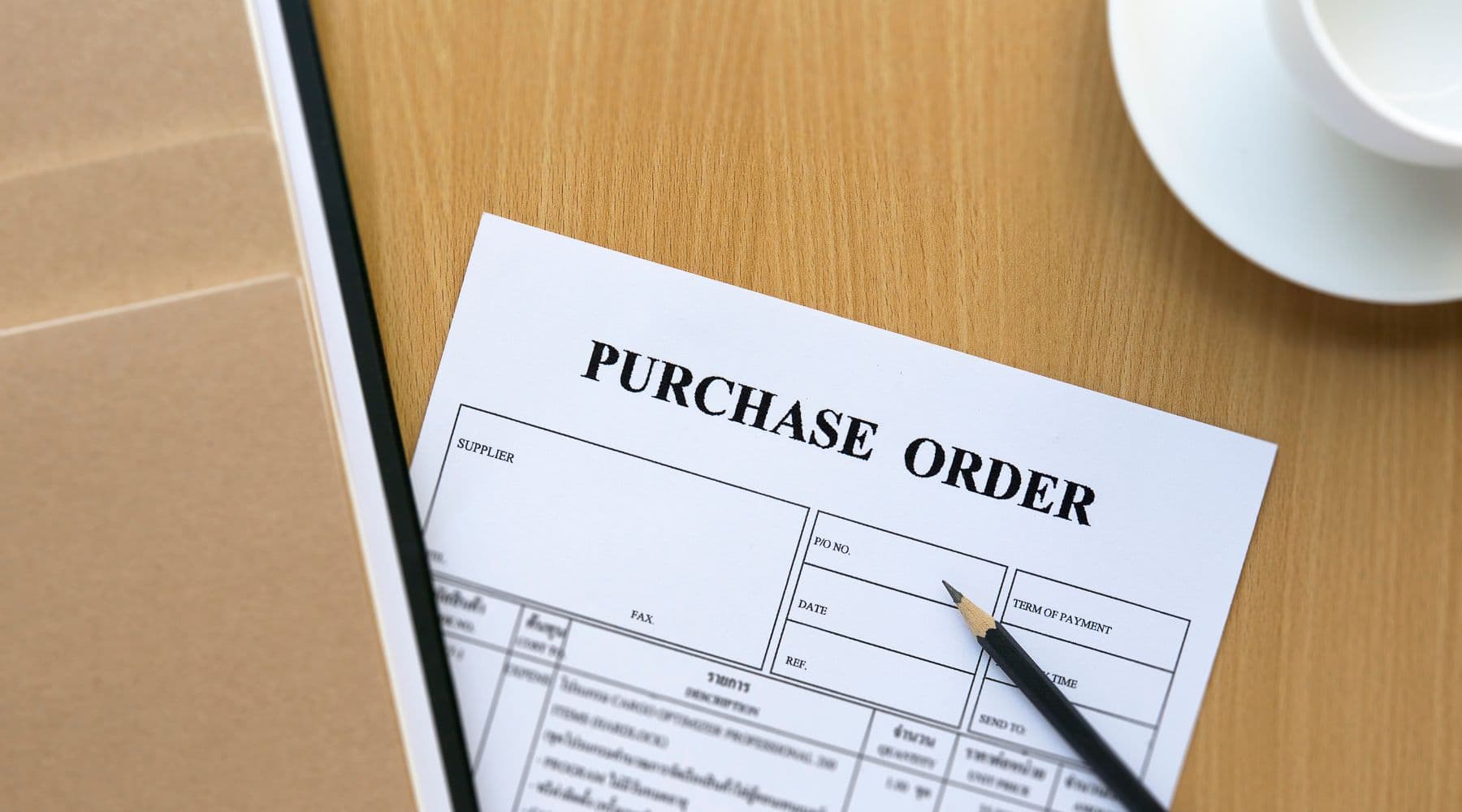
Purchase Order (PO) A document is a receipt prepared and sent by the buyer to the supplier to confirm the need to purchase goods or services under specific conditions such as quantity, unit price, delivery time, and payment terms.
In business, a Purchase Order (PO) not only serves for placing orders but also provides data for the purchasing, warehousing, and accounting departments to track transactions, verify received goods, and reconcile invoices before payment. Therefore, it's essential to understand what a PO is, who creates it, under what circumstances it has legal validity, and how it differs from a Purchase Order (PR), Sales Order, invoice, or contract.
What is a Purchase Order (PO)?
A Purchase Order (PO), commonly referred to in Vietnamese as an order form or purchase order, is a document issued by the buyer to the supplier to order goods or services under specified conditions.
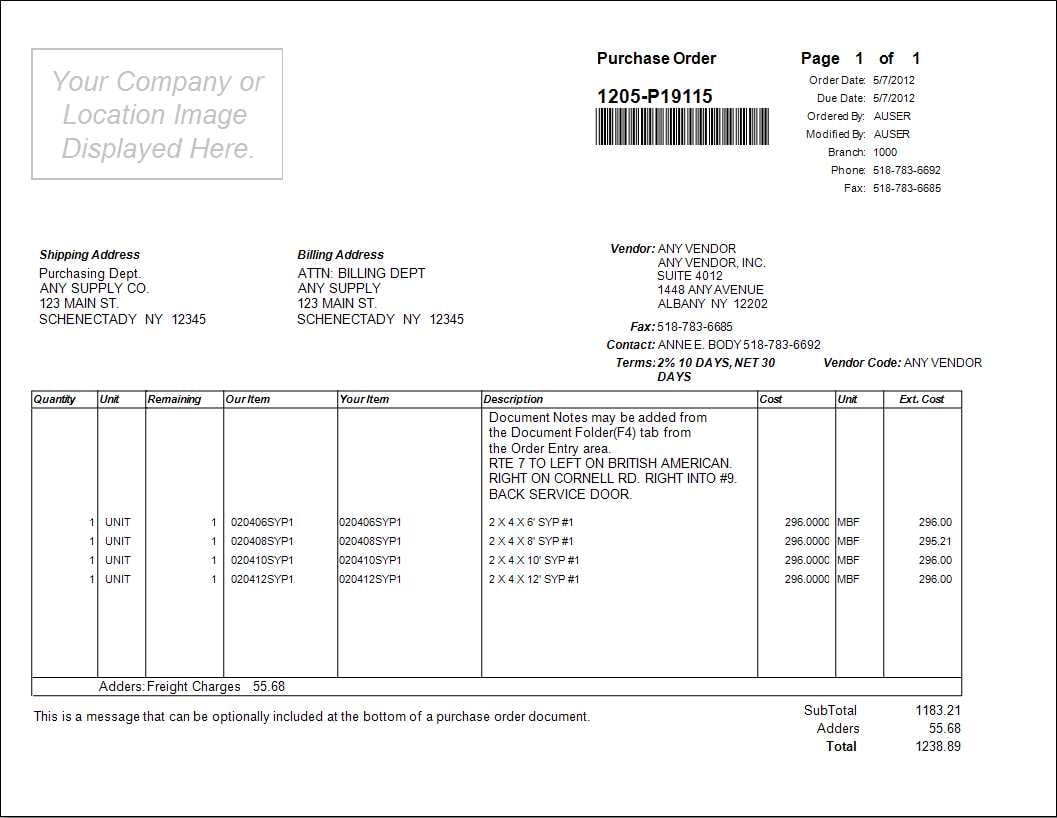
Quick understanding: The purchase order (PO) indicates what the business is ordering, from which supplier, the quantity, price, delivery time, and payment terms. This data is also used to verify the received goods and invoice in subsequent steps.
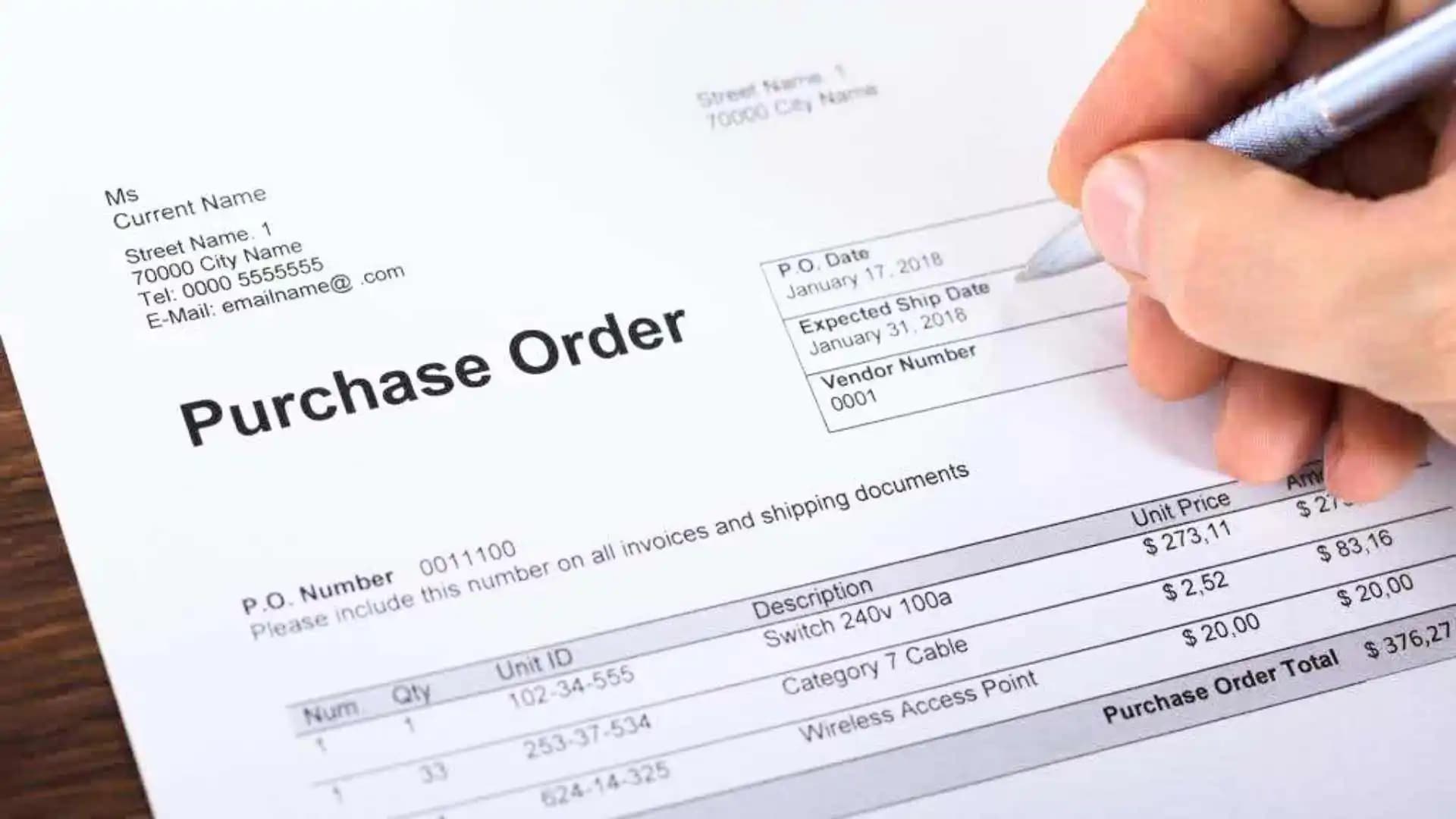
For example, Company A orders 100 monitors from Supplier B. The purchase order (PO) can include the PO number, product code, quantity (100 units), unit price, delivery address, expected delivery date, and payment terms. This provides a common basis for tracking the transaction for the purchasing, warehousing, accounting, and supplier departments.
Who created the purchase order?
Normally, The buyer is the party that creates and issues the purchase order (PO).. The purchasing need may start from an internal request, which is then approved and forwarded to the purchasing department to create a purchase order (PO) to send to the supplier.
What is a PO Number?
The PO Number is the number or code that identifies the order. This code helps businesses track transactions and link purchase orders (POs) to receiving data, invoices, payments, or records on their ERP system.
What information does a typical order usually include?
A useful purchase order (PO) needs to contain enough information for the buyer, supplier, and accountant to accurately identify the transaction, goods or services, delivery terms, and payment terms. There isn't a single PO template required for every business, but it should generally include the following groups of information.
| Information Group | Content commonly found on POs (Private Postal Items) |
|---|---|
| Identifying POs | Purchase Order Number, date of issue, issuer or purchasing department. |
| Buyer | Business name, address, tax identification number, contact person. |
| Supplier | Supplier name, address, tax identification number, and contact information. |
| Goods/services | Product code, product name or service description, specifications, unit of measurement. |
| Quantity and price | Quantity, unit price, total amount, discount, or any related fees. |
| Delivery | Expected delivery date, delivery location, recipient, and delivery conditions. |
| Pay | Method, timeframe, time limit calculation, and documentation requirements. |
| Reference | Contracts, quotations, purchase orders, or related documents. |
When businesses use ERP or purchasing software, purchase orders (POs) may include additional project codes, cost centers, budget codes, approvers, PO status, or multi-batch delivery schedules. This data is for internal management purposes and is not necessarily the same across businesses.
Is a purchase order (PO) legally valid? Is it considered a contract?
A purchase order (PO) can be part of the negotiation process or a document to prove the content of the transaction, but it should not be assumed that every PO automatically becomes a contract. It is necessary to review the contents of the purchase order (PO), how the supplier accepts the order, the relevant contract or quotation, and the process by which the parties execute the transaction.
Does the order need to be signed or stamped?
There is no general rule requiring all purchase orders (POs) from a business to be stamped. When confirming a PO, businesses should check the signing authority, internal approval procedures, supplier contracts, and specific transaction requirements.
Can purchase orders sent via email or as PDF files be used?
Sending a purchase order (PO) electronically does not automatically invalidate the information. The Electronic Transactions Law 2023 stipulates that information in a data message is not legally invalidated simply because it is presented in data message format. When using electronic POs, businesses should save the sent version, the time of sending, the sender/recipient, confirmation responses, and the change history. See the Electronic Transactions Law 2023.
Distinguish between Purchase Order (PO), Retail Purchase Order (PR), Sales Order, Invoice, and Contract.
A purchase order (PO) is a document from the buyer's side, while a public order (PR), sales order, invoice, and contract have different functions within the same buying-selling chain. Proper differentiation helps businesses avoid using one document to substitute for the function of another.
| Document | Who usually creates them? | Main purpose | Common locations |
|---|---|---|---|
| PR – Purchase Requisition | Buyer's internal department | Proposal and request for approval of purchase needs. | Before PO |
| PO – Purchase Order | Buyer | Order goods/services | After needs approval |
| Sales Order – SO | Seller | Record and process sales orders. | After the seller receives the purchase order. |
| Warehouse Receipt/GR | Consignee | Record the actual goods received/imported. | Upon receiving the goods |
| Invoice | Seller | Issue invoices for transactions in accordance with applicable regulations. | According to the time of invoice |
| Contract | The parties | Establishing rights, obligations, and terms of transaction | Before or during the contract |
What is the difference between PR and PO?
PR stands for internal purchase request; PO stands for purchase order sent to a supplier. For example, the IT department creates a purchase order (PR) for 20 laptops to request approval. Once the request is approved, the purchasing department then creates a purchase order (PO) to send to the supplier.
What is the difference between a Purchase Order (PO) and a Sales Order?
A purchase order (PO) is created from the buyer's perspective; a sales order is created from the seller's perspective. In B2B transactions, the supplier can receive the customer's purchase order (PO) and then create a sales order in the ERP system to organize warehousing, delivery, and sales tracking. For a more in-depth look at this step, please refer to the process details. Convert Purchase Order to Sales Order.
What is the difference between a purchase order (PO) and an invoice?
The PO shows What did the buyer order and under what conditions?; An invoice is a document prepared by the seller for a transaction according to applicable regulations. Before payment, accountants usually need to verify the actual goods or services received instead of just comparing the purchase order (PO) with the invoice.
Common types of Purchase Orders
Standard Purchase Order – Standard PO
Used for a specific purchase when the business has relatively complete information about the goods or services, quantity, price, delivery date, and payment terms.
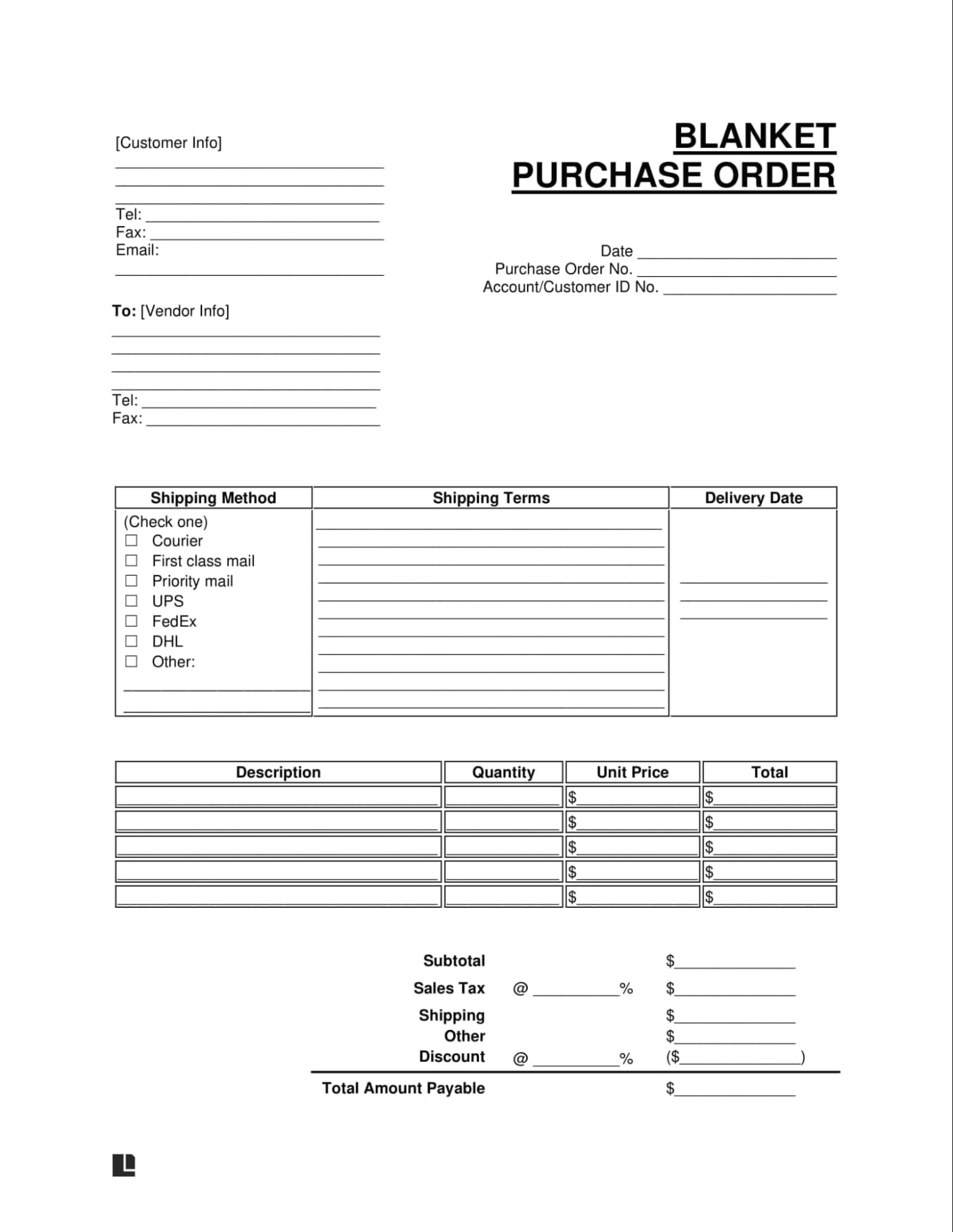
Blanket Purchase Order – PO frame
This is suitable when a business plans to make multiple purchases from the same supplier over a period of time. Both parties can agree in advance on the product range, quotas, price or pricing principles, and general terms and conditions.
Contract Purchase Order – PO under contract
Issued based on an existing contract or framework agreement, purchase orders (POs) typically focus on a specific purchase and refer to the relevant contract.
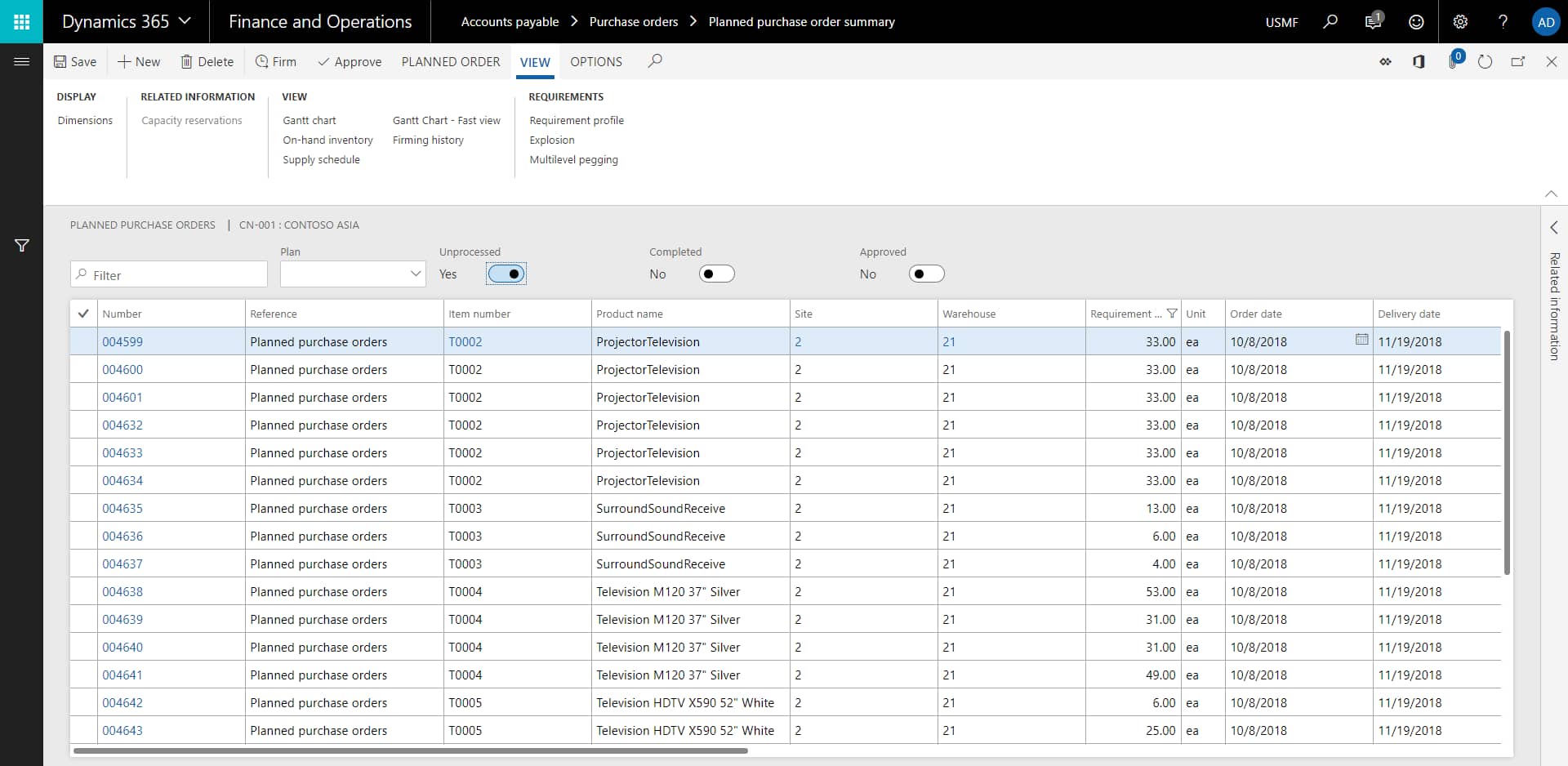
Planned Purchase Order – PO
This is used when a business has anticipated future purchasing needs but hasn't finalized the entire delivery schedule for each batch. Some information is predetermined, while the delivery schedule can be updated according to actual circumstances.
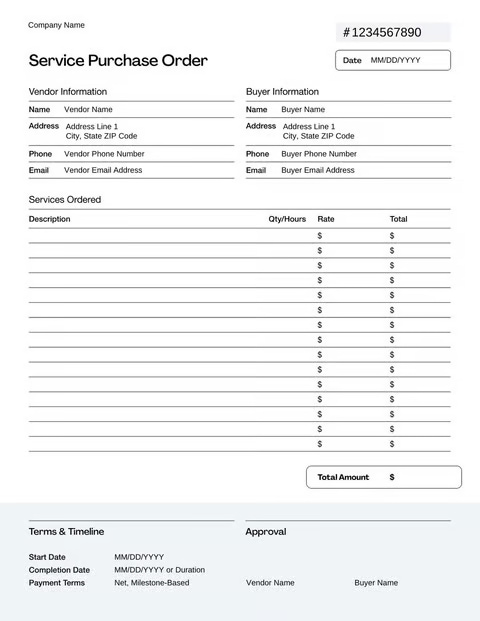
Service Purchase Order – PO for services
This is used when a business purchases services instead of goods, such as transportation, maintenance, consulting, or technology. A service purchase order (PO) should clearly describe the scope of work, timeframe, acceptance milestones, and pricing method.
The process of using purchase orders (POs) in businesses.
The purchase order (PO) process typically begins with the need to buy, goes through approval – ordering – receiving goods – receiving invoices, and ends when the transaction is reconciled, payment is made, and the PO is closed. Creating a purchase order (PO) should not be considered the entire purchasing process.
- The need arises: The user department determines the goods/services, quantity, timing of need, and estimated budget.
- Prepare and approve purchase requests: Check for necessity, budget, and approval authority.
- Select supplier: Get quotes, compare them, and agree on the necessary terms.
- Prepare and approve Purchase Orders (POs): The purchase order accurately reflects the approved needs and conditions.
- Send purchase orders and receive confirmation: The supplier approves or proposes adjustments; significant changes should be tracked.
- Receiving goods/services: Check the quantity and quality, and record the actual data received.
- Receive and verify the invoice: Compare the purchase order (PO) with the delivery receipt and invoice data to identify any discrepancies that need to be addressed.
- Payment and closing of PO: Process the payment according to the conditions and update the status to complete.
At the receiving stage, the accounting and warehouse departments need to clearly differentiate between items. Quantity on the purchase order, quantity according to the delivery document, and actual quantity received.. If further verification is needed at this step, please refer to the instructions. Warehouse receipt and verification method according to Circular 99.
What fields should a purchase order/postal order form include?
A basic purchase order (PO) template should be sufficient to identify the transaction, buyer and seller, goods/services, quantity and unit price, delivery, payment, and reference documents. Businesses can use the following structure as a starting point and then adapt it to their internal processes.
| School | Content |
|---|---|
| Purchase Order | Order title. |
| PO Number | Order number/code. |
| PO Date | Date of creation or release. |
| Passenger | Buyer information. |
| that | Supplier information. |
| Ship To | Delivery location. |
| Item / Description | Product code, product name, specifications, or service description. |
| Items | Quantity. |
| Unit Price | Unit price. |
| Amount | Total amount. |
| Delivery Date | Expected delivery date or schedule. |
| Payment Terms | Payment terms. |
| Reference | Contracts, quotations, purchase requests, or related documents. |
The purchase order (PO) template should be consistent with how the business approves purchases and stores data in its ERP or accounting software. Fields should not be added simply to "fill the form" if the operations department does not use or control that data.
How to manage and reconcile purchase orders (POs) before payment.
The purchase order (PO) only provides effective control when the data on the PO is subsequently used in the receiving and payment stages. Before approving payments, accountants should check the purchase order against the delivery note and invoice instead of checking each document individually.
- Has the purchase order been properly approved by the competent authority?
- Does the supplier listed on the purchase order match the actual invoice and transaction?
- Are the item code, description, unit of measurement, and quantity consistent?
- Do the unit prices on the invoice match the approved purchase order (PO) or terms and conditions?
- Does the quantity on the invoice exceed the actual quantity received?
- Are taxes, discounts, shipping fees, or additional charges as agreed?
- Is a purchase order (PO) being over-invoiced or duplicated?
- Can new documents still be generated even after the purchase order (PO) has been closed?
With few transactions, businesses can perform manual verification. However, as the number of purchase orders, receipts, and invoices increases, the reconciliation step can easily become a bottleneck because accountants have to find and combine multiple documents from emails, files, or ERP systems.
Frequently Asked Questions about Purchase Orders (PO)
What is the Vietnamese translation of "Purchase Order"?
A Purchase Order is often translated as order or purchase order; commonly abbreviated as PO.
What is a purchase order (PO) in accounting?
A purchase order (PO) is a document within the purchasing process. Creating a PO doesn't automatically mean an accounting transaction has occurred. Accountants typically use POs to verify received goods and invoices before recording or processing payments according to business procedures.
Can a purchase order (PO) replace a contract?
It should not be concluded that a purchase order (PO) always or never replaces a contract. The content of the PO, how the parties accept and execute the transaction, the related contract or quotation, and the formal requirements of the specific transaction must be considered.
Which comes first, the order or the contract?
There is no single order. Many businesses sign a framework contract first and then issue a purchase order (PO) for each purchase; other transactions may begin with a quotation, a PO, and a confirmation process between the two parties.
Is the purchase order (PO) form required to follow a fixed format?
There isn't a single, mandatory purchase order (PO) template for every business. The template needs to contain sufficient information for the transaction and be consistent with the approval process, contracts, and management systems the business is using.
As the number of purchase orders (POs), delivery notes, and invoices increases, the issue shifts from creating POs to reconciling them before payment. Bizzi now supports invoice matching (PO - GR) to detect discrepancies in quantity, unit price, and document data, helping accountants focus on cases that need verification.